
Key Points
IAG faces around £1.7bn rise in fuel costs in 2026 due to soaring jet fuel prices.
Geopolitical tensions and high oil prices above $100 per barrel are driving cost pressure.
British Airways and IAG are increasing fares to offset nearly 60% of added costs.
Airline profits are under pressure, but strong travel demand is still supporting revenues.
International Airlines Group (IAG), the parent of British Airways, is facing a sharp rise in costs in 2026. The company is expected to absorb around £1.7 billion in extra fuel expenses as global jet fuel prices climb. This surge is linked to ongoing geopolitical tensions and tighter oil supply. The pressure is already shaping airline strategies in early 2026, as carriers adjust fares and capacity to protect margins. Investor concern is rising.
Why is IAG facing a £1.7bn Fuel Cost Surge in 2026?
The parent company of British Airways, International Airlines Group (IAG), is under pressure from a steep rise in jet fuel prices. In May 2026, reports confirm that fuel expenses are expected to rise by around €2 billion (£1.7bn) compared to last year.
What is driving jet fuel prices higher?
The main reasons include:
- Ongoing conflict in the Middle East, especially disruptions around the Strait of Hormuz
- Global crude oil prices are rising above $100 per barrel in 2026
- Tight supply and refinery limits across Europe and Asia
Recent estimates show jet fuel prices jumped from about $85-90 per barrel to as high as $150-200 per barrel during the conflict period. This has made aviation fuel one of the fastest-growing cost pressures in the airline industry.
How badly will British Airways and IAG be affected?
Is profit under threat in 2026?
Yes. IAG has already warned that its profit will fall below earlier expectations due to higher fuel costs.
- Expected total fuel bill: around €9 billion in 2026
- Increase vs last year: roughly €2 billion higher
- Only part of this cost can be offset through pricing and efficiency
Even though demand for travel remains strong, margins are getting squeezed.
Are airlines still making money despite the pressure?
Yes, but growth is slowing.
- IAG posted strong profits in the early 2026 quarters
- Premium travel demand (especially transatlantic routes) remains strong
- However, rising fuel costs are reducing future earnings potential
How is IAG responding to rising fuel costs?
Are ticket prices increasing?
Yes. IAG has started increasing fares to manage higher costs.
- Around 60% of extra fuel costs may be passed to customers
- Other airlines like Air France-KLM are also adding surcharges
- Long-haul and business class tickets are seeing the biggest increases
This reflects a wider industry trend where airlines are shifting costs to passengers instead of absorbing losses.
What about fuel hedging and protection?
IAG uses fuel hedging to reduce risk:
- Around 70% of fuel needs are hedged for 2026
- But hedging only partially protects against sudden price spikes
- The remaining exposure is driving the current cost shock
What does this mean for investors and IAG stock?
How has the stock reacted?
Markets reacted negatively after the cost warning:
- IAG shares dropped around 2-3% in recent trading sessions
- Investors are worried about weaker profit margins
- Airline stocks across Europe also saw mild pressure
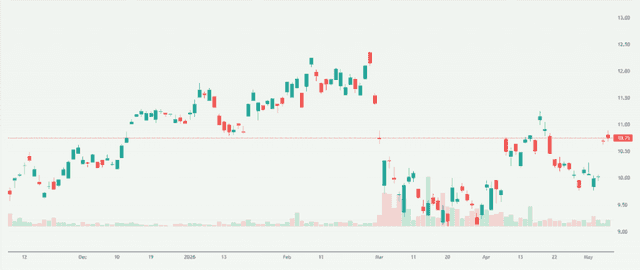
What is the short-term outlook for IAG shares?
Based on current market signals and airline trends:
- Short-term trend: volatile with downside pressure
- Key resistance: strong travel demand may support recovery
- Key risk: fuel prices staying above $100 per barrel
Technical analysis summary
- Stock is trading in a sideways-to-bearish short-term channel
- Momentum indicators show weak bullish strength after the recent drop
- Volume spikes indicate investor uncertainty after a profit warning
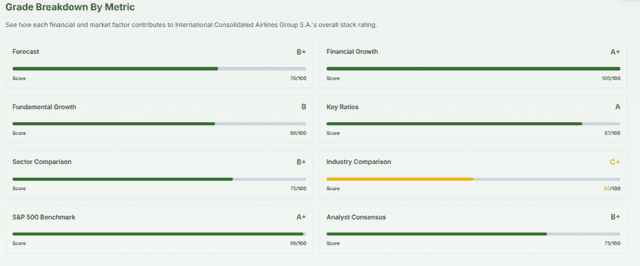
What does Meyka AI’s stock analysis tool say?
AI-driven stock analysis platforms like Meyka.com highlight a mixed outlook:
- Positive: strong demand recovery in global travel
- Negative: fuel cost inflation is limiting earnings growth
- Overall view: neutral with short-term volatility expected
Insights from analysts
- Some brokers (like JPMorgan) still remain optimistic
- They point to strong cash flow and premium travel demand
- But most agree that fuel costs are the biggest near-term risk
Industry-wide impact – is this a bigger airline crisis?
The issue is not limited to IAG.
- European airlines are cutting flights for summer 2026
- Air France-KLM and Lufthansa also face higher fuel bills
- Global airline fuel costs are up nearly 9-10% on average this year
Airlines are responding with:
- Reduced capacity on weaker routes
- Higher fares and fuel surcharges
- Focus on high-profit long-haul markets
Will rising fuel costs continue in 2026?
What experts expect next?
Most forecasts suggest volatility will continue:
- Oil markets remain sensitive to geopolitical tensions
- Jet fuel demand is strong due to the global travel recovery
- Supply disruptions may continue in key shipping routes
If crude oil stays above $100, airlines may face continued pressure throughout 2026.
Final Words
IAG’s £1.7bn fuel cost hit shows how quickly global oil shocks can impact airlines. Strong travel demand is helping revenues, but rising jet fuel prices are squeezing profits and forcing fare increases. With geopolitical risks still high, cost pressure may continue through 2026. For investors and travelers, this means one thing: airline pricing and profits will stay highly sensitive to fuel market swings.
Disclaimer:
The content shared by Meyka AI PTY LTD is solely for research and informational purposes. Meyka is not a financial advisory service, and the information provided should not be considered investment or trading advice.
What brings you to Meyka?
Pick what interests you most and we will get you started.
I'm here to read news
Find more articles like this one
I'm here to research stocks
Ask Meyka Analyst about any stock
I'm here to track my Portfolio
Get daily updates and alerts (coming March 2026)