
Key Points
86 UK bank branches are scheduled to close during June 2026.
Lloyds Banking Group leads the closure wave with 37 branch shutdowns.
NatWest will close 14 branches as digital banking adoption grows.
Banking hubs and Post Office services are expanding to support affected customers.
UK bank branch closures continue to accelerate in 2026. More than 80 branches are scheduled to shut during June alone, with Lloyds Banking Group and NatWest among the biggest contributors. Banks say more customers now prefer mobile and online services, reducing the need for physical locations.
However, the changes are raising concerns for communities that still rely on face-to-face banking. As another wave of closures begins, many customers are asking what comes next for high street banking.
June 2026 Bank Closure Wave Hits UK High Streets
How Many Branches are Closing This Month?
The UK banking sector is seeing another major round of branch closures in June 2026. A total of 86 branches are scheduled to close during the month. Lloyds Banking Group accounts for the largest share, with 37 Lloyds branches, 25 Halifax locations, and 10 Bank of Scotland sites shutting their doors. NatWest is also closing 14 branches across the country.
The closures began on June 1 and will continue throughout the month. Banks say customer behavior has changed significantly as more people now use mobile and online banking services instead of visiting branches.
Regions Facing the Biggest Impact
Several major cities and towns are affected. London will lose multiple Lloyds, Halifax, and NatWest branches. Birmingham, Hull, Cardiff, and other regional centers are also seeing branch reductions.
For many communities, especially older customers, these closures mean longer travel times for face-to-face banking services.
Lloyds Banking Group’s Branch Reduction Strategy Explained
Scale of Lloyds’ Closure Programme
Lloyds Banking Group continues to reshape its branch network. The group has confirmed at least 168 branch closures across Lloyds Bank, Halifax, and Bank of Scotland between 2026 and 2027.
According to closure plans, Lloyds Bank alone has more than 90 branches either closed or scheduled to close. Halifax and Bank of Scotland are also reducing their physical presence as customer habits shift toward digital banking.
Why Lloyds Says Closures are Necessary?
Lloyds says demand for branch services has fallen sharply over recent years. More than 21 million customers now primarily use the bank’s digital services, including mobile apps and online banking platforms.
The group also points to rising operating costs and lower branch footfall. As a result, it is directing more investment toward digital channels while encouraging customers to use banking hubs and Post Office services for everyday transactions.
NatWest Shutdowns June 2026: What Customers Need to Know
Latest NatWest Closure Plans
NatWest is closing 14 branches during June 2026. Locations include London, Sheffield, Southall, Aldershot, Pontefract, and several other communities.
These closures form part of a wider branch reduction strategy announced earlier this year. NatWest has already closed hundreds of branches since 2022 and continues to review locations based on customer usage trends.
NatWest’s Digital Banking Push
NatWest says digital banking has become the preferred choice for most customers. Industry data shows nearly 90% of UK adults used online banking in 2024, compared with 57% a decade earlier.
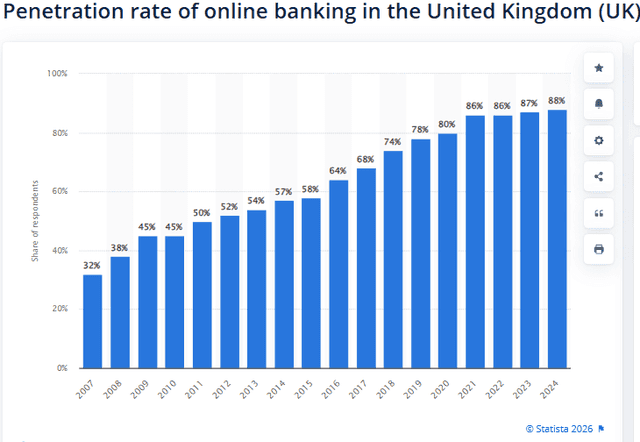
The bank continues to invest in digital tools while supporting customers through community banking services and banking hubs. It has also committed funding to improve access to cash and local banking support.
The Bigger Trend Behind UK Bank Closures
Why Is High Street Banking Changing So Fast?
Bank closures are part of a much larger trend across the UK. More than 6,600 bank branches have closed since 2015. The growth of smartphones, mobile apps, and digital payments has reduced demand for physical branches.
Many customers now check balances, transfer funds, and manage accounts without visiting a bank.
What Concerns are Consumer Groups Raising?
Consumer advocates argue that branch closures create challenges for oldage customers, rural communities, and people who prefer in-person support.
Access to cash remains a key concern. Some communities also worry about losing local financial advice and personal banking relationships that digital platforms cannot fully replace.
Alternatives Available for Affected Customers
Banking Hubs and Post Office Services
Banks are promoting several alternatives for customers affected by closures. Shared banking hubs allow customers from different banks to access basic services in one location.
Post Office branches also provide cash withdrawals, deposits, and balance checks for many bank customers.
What Customers Should Do Next?
Customers should review closure notices carefully and identify their nearest alternative branch or banking hub. Those unfamiliar with digital banking may benefit from support programs offered by banks and community organizations.
Learning how to use secure online banking tools can help reduce disruption as branch networks continue to shrink.
Conclusion
The June 2026 closure wave shows how quickly UK banking is changing. Lloyds Banking Group and NatWest are responding to growing demand for digital services, but many customers still value in-person support.
Banking hubs, Post Office services, and community programs will play an important role as branches disappear. The challenge for banks now is balancing efficiency with accessibility while ensuring no community gets left behind.
Disclaimer:
The content shared by Meyka AI PTY LTD is solely for research and informational purposes. Meyka is not a financial advisory service, and the information provided should not be considered investment or trading advice.
What brings you to Meyka?
Pick what interests you most and we will get you started.
I'm here to read news
Find more articles like this one
I'm here to research stocks
Ask Meyka Analyst about any stock
I'm here to track my Portfolio
Get daily updates and alerts (coming March 2026)