



Asian Currencies Rebound as U.S. Dollar Holds Two-Month High; Markets Price 83% Chance of Fed Rate Hike

Key Points
Asian currencies show a mild rebound, but gains remain limited.
U.S. dollar stays near a two-month high on Fed rate hike expectations.
Markets price an 83% chance of a Federal Reserve rate hike.
Strong USD and tight global liquidity keep pressure on Asian FX markets.
In June 2026, Asian currencies showed a mild rebound in early trading sessions. The U.S. dollar stayed near a two-month high as markets reacted to Federal Reserve policy signals. Traders are now pricing an 83% chance of a Fed rate hike later this year. Sentiment remains cautious as global currency markets watch inflation and interest rate trends closely. This backdrop keeps volatility elevated across Asian foreign exchange markets today in June 2026.
U.S. Dollar Strengthens Near Two-Month High Amid Hawkish Fed Outlook
Fed policy expectations drive dollar momentum
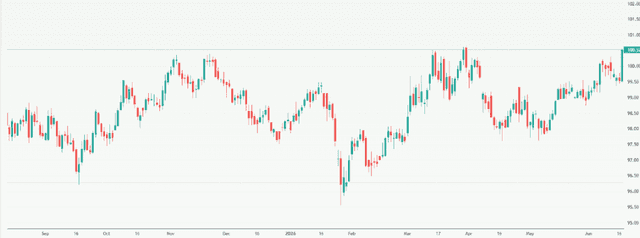
The U.S. dollar remained firm in June 2026, trading close to a two-month high. This strength is mainly driven by expectations that the Federal Reserve may keep interest rates higher for longer. Recent Fed communications suggest inflation is still not fully under control. This keeps the policy tone cautious and slightly hawkish.
Markets price aggressive rate outlook
Financial markets are now pricing around an 83% probability of a Fed rate hike in the near term, according to futures-based expectations tracked by major financial data platforms. Higher U.S. yields continue to support dollar demand globally.
Safe-haven flows remain active
Investors are also moving funds into the dollar due to global uncertainty. According to updates from major financial sources like Reuters and Federal Reserve data, risk sentiment remains mixed, keeping USD demand stable.
Asian Currencies Rebound, but Gains Remain Limited
Mixed recovery across Asian FX markets
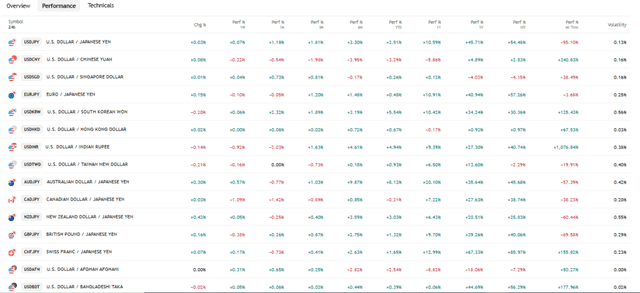
Asian currencies showed a small rebound after recent weakness. However, the recovery is uneven and fragile. The Japanese yen, Singapore dollar, and South Korean won all saw minor stabilization during June 2026 trading sessions.
Why is the rebound weak?
The gains are limited because the U.S. dollar remains strong. Capital continues to flow toward higher-yielding U.S. assets. This reduces demand for emerging Asian currencies.
Market pressure continues
Currency analysts note that without a clear shift in U.S. monetary policy, Asian FX strength will remain capped. Many traders are staying defensive, avoiding large positions in risk-sensitive currencies.
Fed Rate Hike Expectations and Global Market Repricing
Inflation keeps policy tight
Inflation in the United States remains above the Fed’s long-term target. This is forcing policymakers to maintain a tight stance. As a result, expectations of rate cuts have been pushed further into the future.
Global liquidity impact
Higher U.S. rates are tightening global liquidity conditions. This affects both equity and currency markets, especially in emerging Asia.
How are Asian central banks responding?
Asian central banks are carefully balancing growth and currency stability. Some are using limited intervention in FX markets to reduce volatility. Others are holding rates steady to avoid capital outflows.
Key Economic Drivers Behind FX Volatility
Diverging central bank policies
A major driver of FX volatility is the gap between U.S. policy and Asian monetary policy. While the Fed stays restrictive, several Asian economies are still growth-focused.
External shocks and commodities
Oil prices and geopolitical tensions also influence currency movement. Even small shifts in energy prices can impact inflation expectations and currency flows.
Analyst perspective
According to macro research desks at major banks and AI-based tools like Meyka.com (AI stock analysis platform), markets remain in a “wait-and-watch” phase with no clear trend reversal yet.
Outlook for Asian Currencies vs. the U.S. Dollar
Short-term pressure likely to persist
Asian currencies are expected to stay under pressure in the near term. The strong U.S. dollar and high interest rate expectations limit upside momentum.
Key triggers ahead
Investors are closely watching upcoming U.S. inflation data, labor reports, and Fed policy speeches. Any surprise in these indicators could quickly shift FX trends.
A softer inflation trend could support Asian currency recovery. However, a stronger U.S. economy would likely extend dollar strength further into 2026.
CONCLUSION
Asian currencies are attempting a cautious recovery, but the U.S. dollar continues to dominate global FX trends. With markets pricing an 83% chance of a Fed rate hike, pressure on emerging Asian currencies remains high. Until inflation shows clear signs of cooling, monetary policy divergence will keep volatility elevated. Investors are likely to stay defensive, watching U.S. data for the next major direction in currency markets.
Disclaimer:
The content shared by Meyka AI PTY LTD is solely for research and informational purposes. Meyka is not a financial advisory service, and the information provided should not be considered investment or trading advice.
What brings you to Meyka?
Pick what interests you most and we will get you started.
I'm here to read news
Find more articles like this one
I'm here to research stocks
Ask Meyka Analyst about any stock
I'm here to track my Portfolio
Get daily updates and alerts (coming March 2026)