US stock futures rose early Thursday, February 12, 2026, after fresh U.S. jobs data sent mixed signals across global markets. The Labor Department reported stronger-than-expected hiring in January, easing fears of an economic slowdown but also weakening hopes for near-term Federal Reserve rate cuts.
Wall Street now faces a familiar puzzle. Can strong growth and high interest rates coexist without hurting stocks? Futures on the S&P 500 and Dow edged higher, while Nasdaq contracts stayed mixed as investors weighed labor strength against tighter financial conditions.
Advertisement
Bond yields ticked up, and traders shifted their focus to upcoming inflation data. The result is a market driven by caution, optimism, and fast-moving expectations. For investors, the coming days may define short-term direction and risk appetite.
US Jobs Data Sends Mixed Signals to Wall Street
January Payrolls Beat Forecasts – Key Highlights
The U.S. labor market delivered a surprise in January 2026. Nonfarm payrolls rose by 130,000 jobs, almost double the market forecast of 70,000, according to the U.S. Bureau of Labor Statistics. The unemployment rate slipped to 4.3% from 4.4%, signaling steady hiring momentum.
However, major revisions changed the bigger picture. Total job creation for 2025 was revised sharply lower to 181,000 from 584,000, showing that hiring slowed more than previously reported. This adjustment reflects weaker underlying labor demand.
Key sector gains came from healthcare, construction, and social services, while manufacturing and retail remained soft. Average hourly earnings stayed near 3.7% year-on-year, showing wage growth remains stable but not overheated.
Why Markets Reacted Cautiously?
Why did markets stay cautious despite strong hiring data?
Because strong job growth reduces the urgency for Federal Reserve rate cuts. Traders now believe the Fed can afford to keep rates high for longer. As a result, bond yields climbed, and investors trimmed aggressive easing expectations.
Markets now price the first Fed rate cut in July 2026 instead of June. This shift tightens financial conditions and limits equity upside in the short term. Treasury yields rising above 4.1% also pressure growth stocks, especially tech.
US Stock Futures Rise Despite Lower Rate-Cut Odds
Pre-Market Performance Snapshot
Despite weaker rate-cut hopes, U.S. stock futures rose in early Thursday trading on February 12, 2026.
- Dow futures: +165 points (+0.33%)
- S&P 500 futures: +0.39%
- Nasdaq 100 futures: +0.43%
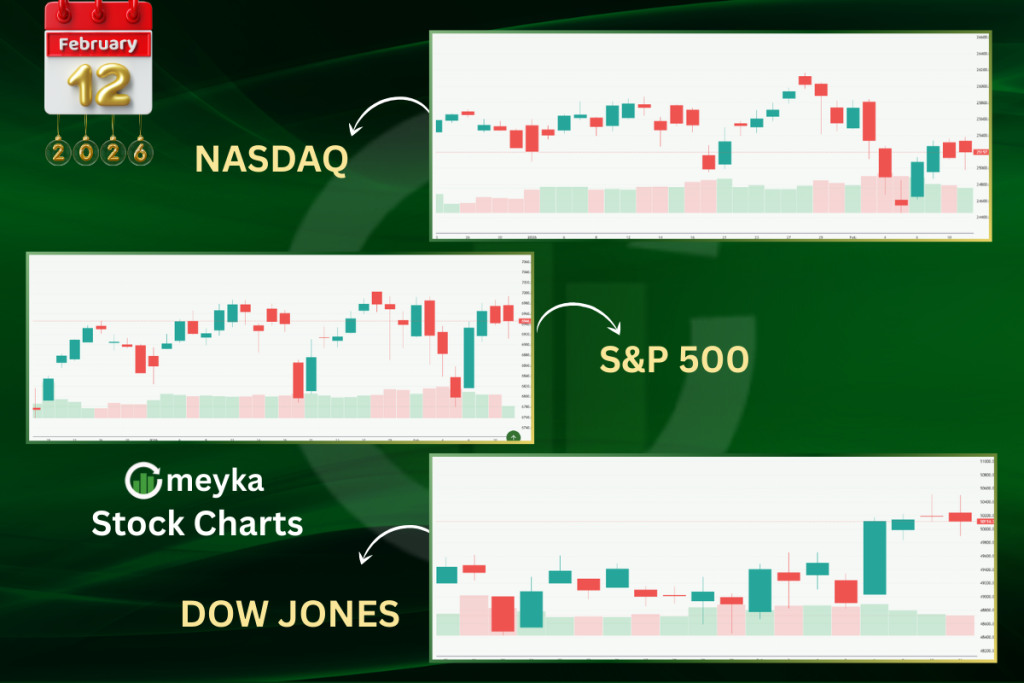
This reaction highlights investor confidence in economic stability and earnings growth, even with tighter monetary conditions. Markets also found comfort in steady wage trends and contained inflation pressure.
What’s Driving the Futures Rebound?
Several factors are lifting futures despite shifting rate expectations:
- Corporate earnings continue to surprise positively.
- Strong AI-led investment supports technology stocks.
- Traders position ahead of the U.S. Consumer Price Index (CPI) report due February 14, 2026.
Investors are using AI stock analysis tools to detect early momentum shifts, helping guide short-term trading strategies. Many expect inflation data to confirm easing price pressures, keeping longer-term optimism intact.
Fed Rate-Cut Bets Cool After Jobs Surprise
Market Expectations Shift
Stronger labor numbers pushed traders to delay expectations for policy easing. According to CME pricing models, markets now expect the first rate cut in July 2026, not June. Key impacts:
- Total expected rate cuts in 2026 fell to about 54 basis points.
- The 10-year Treasury yield climbed to 4.17%-4.19%.
- Dollar strength increased as higher yields attracted capital flows.
This shows how one data point can quickly reshape policy outlook.
What Fed Officials & Analysts are Saying?
Analysts remain divided. Morgan Stanley noted that stable hiring supports economic growth but delays rate relief. Capital Economics said revisions to 2025 hiring suggest deeper labor softness beneath the headline.
Many economists believe the Fed will wait for multiple inflation readings before shifting policy. With inflation still near 2.7%-2.8%, officials remain cautious.
Sector-Wise Market Impact – Winners & Losers
Tech and AI Stocks Remain Market Leaders
AI-related stocks continue driving optimism. Demand for high-performance chips, cloud services, and automation tools remains strong.
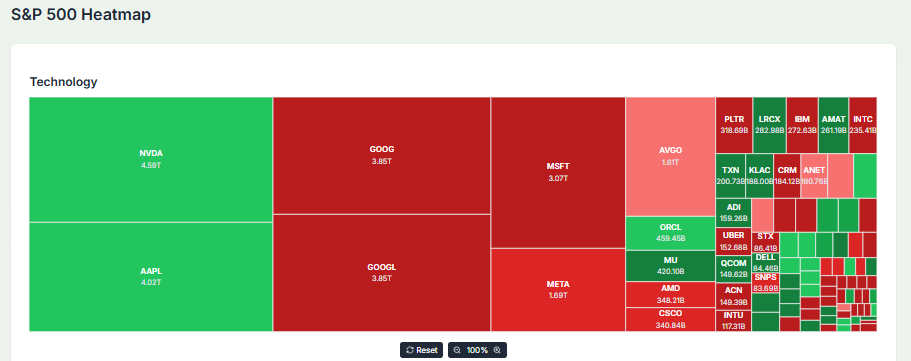
- NVIDIA, Microsoft, and Meta continue attracting capital.
- Software ETFs fell 3.5% intraday as yields rose, but recovered later.
- AI investment spending remains a dominant earnings catalyst.
This shows investors are willing to hold growth stocks even under tighter monetary conditions.
Defensive & Cyclical Stocks Gain Attention
Healthcare and industrial stocks outperformed following the labor data. Construction stocks also gained on strong hiring trends.
Value stocks attracted flows as investors balanced portfolios against rate risks. Defensive sectors offered stability while cyclicals benefited from steady economic demand. This rotation reflects risk-managed positioning rather than panic selling.
What Traders are Watching Next – CPI & Fed Signals?
All eyes now turn to U.S. CPI inflation data scheduled for February 14, 2026.
Key scenarios:
- Hot inflation → delayed rate cuts → stock volatility
- Cooling inflation → renewed rally → higher equity confidence
Traders are also tracking geopolitical risks and global energy prices. Any upside inflation surprise could trigger a sharp bond selloff and equity pullback.
Conclusion – Short-Term Optimism, Long-Term Caution
U.S. stock futures are rising on economic resilience, not rate relief. January’s strong jobs report confirmed labor stability but weakened hopes for early Fed easing.
Markets now face a careful balancing act between strong hiring, sticky inflation, and high interest rates. AI-driven earnings growth continues supporting optimism, while higher yields cap aggressive upside.
Short-term market direction will depend on upcoming inflation data and Fed commentary. Until clarity emerges, volatility and tactical trading will dominate Wall Street behavior.
Advertisement
Frequently Asked Questions (FAQs)
US stock futures are rising on February 12, 2026, due to strong jobs data, a stable earnings outlook, and investor hopes that inflation will ease, supporting equity market confidence.
Strong January 2026 hiring reduced expectations for early Federal Reserve rate cuts, pushing market forecasts for the first cut from June to July 2026.
Investors should watch U.S. inflation data on February 14, 2026, Federal Reserve policy signals, and bond yield movements to understand short-term stock market direction.
Disclaimer:
The content shared by Meyka AI PTY LTD is solely for research and informational purposes. Meyka is not a financial advisory service, and the information provided should not be considered investment or trading advice.
Advertisement
What brings you to Meyka?
Pick what interests you most and we will get you started.
I'm here to read news
Find more articles like this one
I'm here to research stocks
Ask our AI about any stock
I'm here to track my Portfolio
Get daily updates and alerts (coming March 2026)