In January 2026, U.S. consumer inflation surprised many economists with a fresh uptick in prices. Data released on February 13, 2026, showed the Consumer Price Index (CPI) rising again as companies reset prices for the new year. Many everyday items, from groceries to rent, cost more than they did a month earlier. This pushed headline inflation higher even as some core price measures hovered near multi‑year lows.
For consumers and markets alike, this early‑year price jump raises big questions: what’s really driving costs up, and what could it mean for your wallet in 2026? Continue reading to find out.
Advertisement
Why did January U.S. Consumer Inflation Stay Elevated in Early 2026?
What Do the Latest CPI Data Show About Consumer Inflation?
January 2026 showed that consumer inflation in the U.S. rose modestly after the holiday season. Data released on February 13, 2026, indicated the Consumer Price Index (CPI) increased about 0.3% month-over-month. The year-over-year CPI was roughly 2.4-2.5%, down slightly from late 2025 but still above the Fed’s 2% target. Core CPI, excluding food and energy, was near 2.5% YoY.
This shows inflation is moderating slowly. Prices for goods and services continue to rise. Households and policymakers are watching closely.
Why Did Prices Rise Again in January?
Two main factors drove the January increase:
- Seasonal Price Resets: Many businesses raise prices after holiday promotions, especially in services and subscriptions.
- Tariff Pass-Through: Previous tariffs continued affecting costs as suppliers passed them to consumers.
Other contributors included rent and healthcare costs. These items have a strong impact on CPI and keep headline inflation elevated.
Are Consumers Actually Feeling Relief Yet?
Some signs show mixed results. Data from Numerator in early February 2026 reported that prices for everyday items were down 0.23% month-over-month, and up 1.8% year-over-year, the lowest since early 2025.
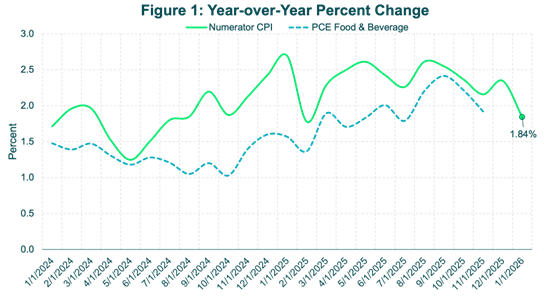
This indicates that daily goods prices are rising more slowly. However, broader measures, including services and housing, still show upward pressure. Many households do not feel strong relief yet.
What Does This Consumer Inflation Mean for Interest Rates and the Economy?
The Federal Reserve tracks consumer inflation closely. Stable or slightly easing inflation near 2.4-2.5% YoY suggests price pressures may approach the Fed’s 2% target.
Yet, monthly increases and sticky items like rent may keep officials cautious. AI-driven analysis tools also indicate possible volatility in early 2026 if supply, tariffs, or energy costs shift.
Where U.S. Inflation Trends Might Go Next?
Experts expect consumer inflation to gradually decline in 2026. Occasional price spikes are possible due to tariffs, housing costs, or seasonal effects. Monitoring CPI, PCE, and other indicators will remain crucial for households, investors, and policymakers.
Conclusion
January 2026 showed that consumer inflation in the U.S. remains elevated due to start-of-year price increases, tariffs, and rising rent and healthcare costs. While some everyday goods show slower price growth, overall inflation continues to affect household budgets.
The Federal Reserve will monitor these trends closely to guide interest rates. Gradual easing is expected throughout 2026, but occasional price spikes may occur. Consumers and businesses should remain aware of inflation patterns as they plan spending and investments for the year ahead.
Advertisement
Frequently Asked Questions (FAQs)
In January 2026, consumer inflation rose due to start-of-year price increases, higher rent, and lingering tariff effects affecting goods and services.
The U.S. CPI rose about 0.3% in January 2026, while the year-over-year increase reached roughly 2.4-2.5%, showing steady but moderate inflation.
Inflation is easing slowly in 2026, but price rises in food, housing, and services still affect household budgets and spending decisions.
Disclaimer:
The content shared by Meyka AI PTY LTD is solely for research and informational purposes. Meyka is not a financial advisory service, and the information provided should not be considered investment or trading advice.
Advertisement
What brings you to Meyka?
Pick what interests you most and we will get you started.
I'm here to read news
Find more articles like this one
I'm here to research stocks
Ask our AI about any stock
I'm here to track my Portfolio
Get daily updates and alerts (coming March 2026)