NSE Imposes Additional 15% Margin on Vodafone Idea, SAIL, and 16 F&O Stocks from March
The National Stock Exchange of India (NSE) has taken a decisive step in risk management ahead of the March 2026 futures & options series. From February 25, 2026, it will levy an additional 15 % exposure margin on 18 selected F&O stocks, including heavyweights like Vodafone Idea and SAIL. This isn’t a random hike; it targets stocks where the top 10 clients hold more than 20 % of the market‑wide position limit, a sign of concentrated risk in the derivatives market.
The move aims to strengthen market stability and curb speculative excess. The impact could be significant for traders and investors alike.
Advertisement
Additional 15% Margin on Select F&O Stocks: What Traders Need to Know
What Exactly Did the NSE Announce?
The National Stock Exchange of India (NSE) has introduced a 15 % additional exposure margin on 18 selected stocks in the Futures & Options (F&O) segment, effective from the March 2026 series (starting February 25, 2026, after the February contracts expire). This change targets stocks in which the top 10 clients hold over 20 % of the Market Wide Position Limit (MWPL). The move aims to reduce position concentration risk and volatility in the derivatives market.
In the same set of changes, the NSE also reduced margin requirements on commodity futures, removing a 3 % additional margin on gold futures and cutting a 7 % levy on silver futures, effective February 19, 2026.
List of Stocks Facing the 15 % Margin Hike – March 2026
The additional exposure margin applies to these 18 stocks, selected using three months of rolling data and reviewed monthly:

For stocks already under higher additional surveillance margins, the NSE will apply whichever margin is higher: the existing surveillance margin or this new 15 % exposure margin.
Why Is NSE Imposing This Higher Margin?
What Is the Market-Wide Position Limit (MWPL)?
MWPL is a risk control limitation on total open positions in F&O contracts for a particular stock. It prevents a small group of traders from dominating positions that could destabilise markets. Under the current framework, if the top 10 clients’ open interest surpasses 20 % of the MWPL, the stock faces an additional 15 % exposure margin.
Purpose of the Margin Increase
The additional margin reduces excessive leverage and speculative activity where risk concentration is high. By requiring more capital to hold positions in these volatile names, the exchange aims to curb sharp swings and systemic stress in the derivatives market. This is part of broader risk management and aligns with NSE’s periodic review mechanisms on concentrated positions.
How This Change Affects Traders and Investors?
Does This Increase Cost for Traders?
Yes. Traders and speculators holding F&O positions in affected stocks will need more funds upfront. Higher margins reduce leverage, making short‑term trades more expensive and potentially altering trading strategies, especially for leveraged bets.
Can This Impact Liquidity?
Stocks with tight liquidity may see reduced open interest as traders reassess costs. Lower participation could widen bid‑ask spreads and affect price discovery on heavy‑hit names like Vodafone Idea or SAIL.
Who Is Most Affected?
- Day traders and speculators: Face higher capital requirements.
- Hedgers: Might pay more but benefit from better risk buffers.
- Long‑term investors: Less direct impact on cash equity positions, but volatility may change near expiry.
Case Focus: Vodafone Idea – A Closer Look
Stock Snapshot and Forecast
Vodafone Idea (IDEA.NS) trades around ₹11.35-₹11.43 on the NSE as of mid‑February 2026, with a 52‑week range roughly between ₹6.12 and ₹12.80. The stock has been one of the most active names by volume lately.
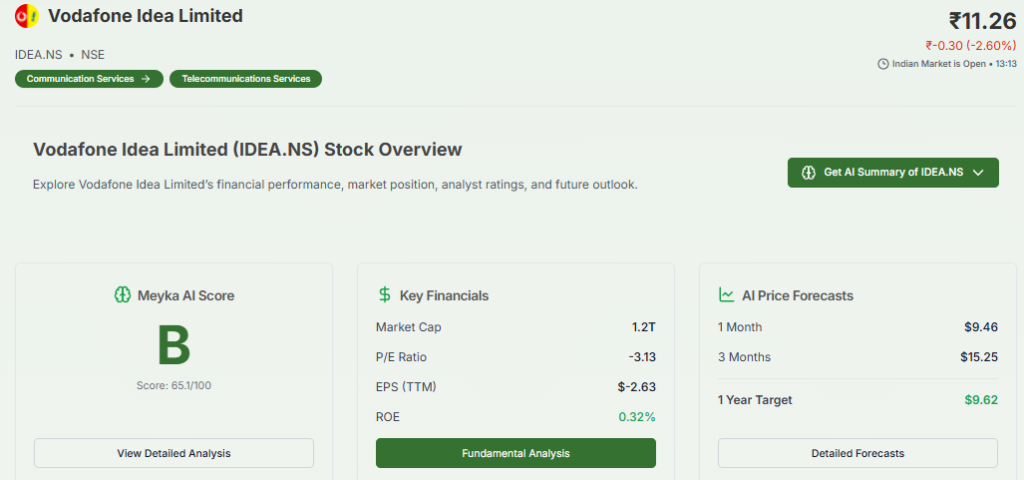
According to consensus estimates from analysts, the 12‑month price target averages close to ₹9.88, showing mixed expectations for direction.
Forecasts from the AI stock analysis tool Meyka AI suggest varied scenarios depending on the timeframe:
- Short-term outlook shows possible upside targets near ₹12.79-₹18.34 on strong trading sessions.
- One‑year projections indicate slight downside risk near ₹9.29-₹9.08.
These scenarios highlight volatility and mixed sentiment rather than confident directional bias.
Supporting Analyst Views
Major broker consensus rates Vodafone Idea as Neutral or Hold, given its challenging fundamentals like negative earnings per share and heavy leverage. However, strategic developments like government relief on AGR dues could sustain operational flexibility.
Will This Change Affect Market Volatility?
The 15 % margin hike is a preventive step. Higher margins usually slow down speculative activity in futures and options. This can:
- Lower sudden large swings in stock prices.
- Encourage more balanced risk-taking.
- Reduce overnight leveraged positions.
However, it may also mean slower liquidity growth in derivatives for these names. Many institutional and retail traders will re‑evaluate exposure sizes and hedging plans ahead of expiries.
Broader Context: What Else Is NSE Changing?
While tightening margins in concentrated equity derivatives, the NSE also eased margin requirements in precious metals:
- Additional margin removed from Gold futures.
- Silver futures saw a reduction in additional margins.
This contrast suggests the exchange is selectively managing risk depending on asset class conditions.
Conclusion: What Traders Should Do Now?
- Check your margin requirements early: Before the March expiry, ensure your broker account reflects higher exposure margins.
- Reassess positions: Especially if you trade F&O in names like Vodafone Idea or SAIL.
- Plan risk and stop‑loss levels: With higher costs and changing leverage, risk strategies matter more than ever.
- Watch liquidity: Reduced participation may widen spreads or affect price action near critical levels.
The NSE’s move reflects a deliberate balance between risk containment and market access. For traders who adapt their risk models and capital allocation, this change may be an opportunity to refine strategies in India’s evolving derivatives markets.
Advertisement
Frequently Asked Questions (FAQs)
On February 25, 2026, NSE added 15% extra margin on some F&O stocks to reduce risk. It targets stocks where top clients hold large positions, keeping the market safer.
From the March 2026 series, 18 stocks face higher margins, including Vodafone Idea, SAIL, DLF, RBL Bank, Bandhan Bank, Aurobindo Pharma, Glenmark Pharma, Manappuram Finance, and LIC Housing Finance.
The extra 15% margin will raise trading costs for F&O positions. Traders need more money upfront. Some stocks may see lower trading volume and slightly less liquidity..
Disclaimer:
The content shared by Meyka AI PTY LTD is solely for research and informational purposes. Meyka is not a financial advisory service, and the information provided should not be considered investment or trading advice.
Advertisement
What brings you to Meyka?
Pick what interests you most and we will get you started.
I'm here to read news
Find more articles like this one
I'm here to research stocks
Ask our AI about any stock
I'm here to track my Portfolio
Get daily updates and alerts (coming March 2026)