











Oil markets erupted into turmoil in early March 2026 as crude oil prices pushed above the $100 a barrel mark for the first time in years, dragging U.S. stocks futures sharply lower. The move came amid intensifying geopolitical tensions in the Middle East, which have disrupted output and chokepoints like the Strait of Hormuz, a key artery for global energy trade.
Futures tied to the Dow Jones Industrial Average, S&P 500, and Nasdaq 100 all slumped as traders priced in the risk of higher energy costs, rising inflation, and slower economic growth. This sudden, dramatic shift is shaking investor confidence and forcing markets to grapple with renewed uncertainty, setting the stage for a volatile week ahead.
Why U.S. Stock Futures Crashed as Oil Prices Soared Past $100
How Far Did U.S. Futures Drop? – Market Data
U.S. stock index futures fell sharply in overnight trading on March 8-9, 2026, as crude oil prices jumped above $100 per barrel amid the intensifying conflict in the Middle East. According to Investing.com, S&P 500 futures dropped about 1.7%, Nasdaq 100 futures slid 1.8%, and Dow Jones futures fell 1.7%, signaling heavy bearish sentiment ahead of the U.S. trading session.

Market volatility also worsened after geopolitical developments, including the naming of Mojtaba Khamenei as Iran’s new supreme leader, which markets interpreted as a sign of prolonged tensions. President Trump publicly called rising oil prices a short‑term consequence of military action.
This drop in futures reflected broad worries that higher energy costs would slow economic growth, push inflation higher, and potentially curb consumer spending as risk appetite weakened.
Why Oil Prices Surged Above $100?
What’s Driving the Oil Spike?
Global crude oil prices soared dramatically due to the escalating conflict between the U.S., Israel, and Iran. Fears of supply disruptions, particularly around the Strait of Hormuz, a crucial shipping lane for about 20% of global oil, sent futures dramatically higher. Brent and West Texas Intermediate (WTI) crude both briefly touched levels near $119 per barrel, marking the highest since 2022.
The surge has been fueled by a combination of attacks on oil infrastructure in Iran, production cuts by Iraq, Kuwait, and Qatar, and fears that Saudi Arabia and the UAE may also reduce output due to limited storage. These dynamics have amplified market stress and raised the oil risk premium significantly.
What Do High Oil Prices Mean for the U.S. Economy?
How Could Higher Oil Prices Affect Inflation and Growth?
Oil prices above $100 can quickly increase costs across the economy. Higher crude translates into more expensive gasoline, diesel, and transportation. This, in turn, pushes up prices for goods and services and may boost consumer inflation. Some analysts now fear a return of persistent inflation pressures that central banks hoped were behind them.
At the same time, rising energy costs can slow economic growth by reducing disposable income and increasing production costs for companies. This dynamic raises the risk of stagflation, a mix of high inflation and sluggish growth, a scenario that markets dread.
Which Sectors are Most Impacted?
Winners and Losers from the Oil Shock
Energy and commodity sectors have seen gains as oil producers benefit from higher prices. In contrast, consumer discretionary, airline, and transport industries are under pressure, as fuel costs erode margins and dampen demand.
- Airlines and travel stocks have lagged due to rising jet fuel costs.
- Consumer spending pressures hit retail and services.
- Commodity markets beyond oil, like edible oils and metals, have also responded to price distortions.
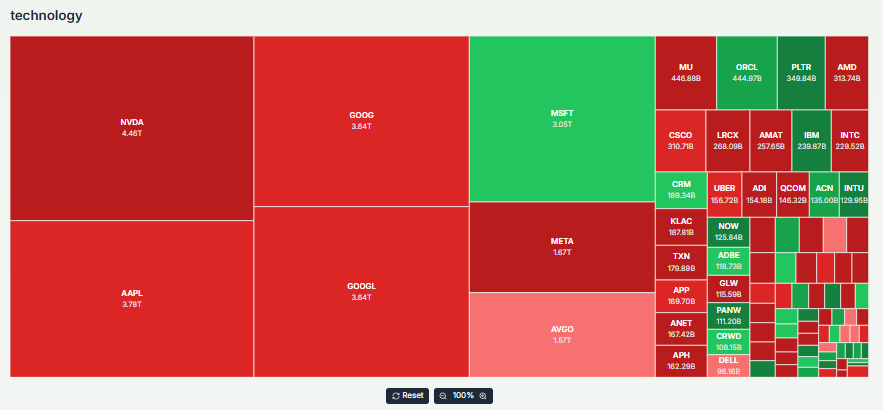
Tech stocks and growth names have been more vulnerable, as investors fear that higher inflation and slower economic growth could reduce future earnings potential.
How are Global Markets Reacting?
Worldwide Selloffs and Contagion
The oil price shock has rippled far beyond the U.S. Asian markets were hit hard on March 9, 2026, with Japan’s Nikkei down over 6% and South Korea’s Kospi nearly 7% lower as investors reacted to higher imported energy costs.
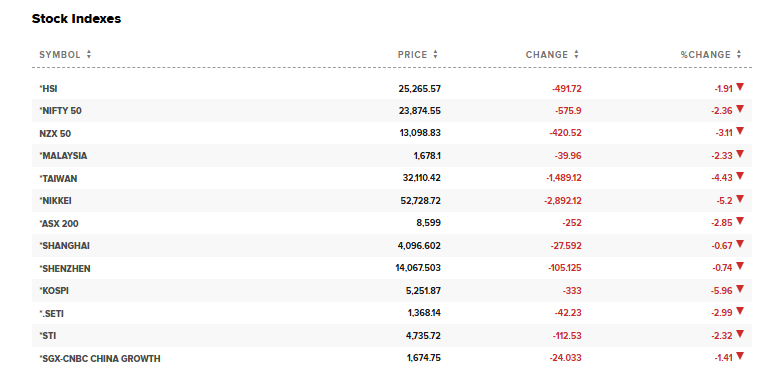
Other global indices also slid, reflecting a broader loss of confidence as fears of inflation and slower economic growth spread across regions dependent on imported crude. This contagion was visible in commodities, currencies, and bond yields as markets adjusted to heightened risk.
What’s Next for the Federal Reserve and Policy?
Could the Fed Change Course?
With oil above $100, inflation data may surprise on the upside. That could delay expectations for interest‑rate cuts by the Federal Reserve, forcing policymakers to weigh stronger price pressures against slowing growth.
Analysts are now watching Consumer Price Index (CPI) and Personal Consumption Expenditures (PCE) figures closely, as higher energy costs could feed into broader price indices. Markets using an AI stock analysis tool are pricing in higher volatility and a wider range of economic outcomes for 2026.
Market Outlook: What Analysts are Saying?
Are Equities Heading Lower?
Some analysts warn markets may continue to face pressure if oil prices stay elevated and geopolitical tensions persist. They note that consumer spending and corporate profit margins could be squeezed, especially if inflation expectations become unanchored.
Others argue that markets may find support if supply routes reopen or if diplomatic progress reduces geopolitical risk. Safe‑haven assets like gold have shown mixed responses amid dollar strength and inflation concerns.
Final Words
U.S. stock futures plunged as oil topped $100 due to escalating Middle East tensions. This oil shock has raised global inflation fears, pressured growth forecasts, and shifted market expectations. Energy and commodity sectors stand to gain, while equities tied to consumption and travel remain under pressure. Markets are now bracing for policy reactions and broader economic impacts as volatility continues.
Frequently Asked Questions (FAQs)
U.S. stock futures fell on March 8-9, 2026, as oil prices jumped above $100 a barrel. Traders reacted to rising energy costs and fears that higher oil prices could slow growth and raise inflation. Geopolitical tensions in the Middle East also added to market fear.
Oil above $100 raises costs for fuel and goods. This can cut into company profits and make investors nervous. Higher oil prices can also lift inflation, which may slow economic growth and hit stocks.
Prices above $100 can push inflation higher by increasing energy costs for consumers and businesses. If it stays high for long, it could slow growth and raise the risk of a recession.
Disclaimer:
The content shared by Meyka AI PTY LTD is solely for research and informational purposes. Meyka is not a financial advisory service, and the information provided should not be considered investment or trading advice.
What brings you to Meyka?
Pick what interests you most and we will get you started.
I'm here to read news
Find more articles like this one
I'm here to research stocks
Ask our AI about any stock
I'm here to track my Portfolio
Get daily updates and alerts (coming March 2026)