











U.S. stock markets are holding a steady course as traders head into a crucial week of data and economic news. Dow Jones, S&P 500, and Nasdaq futures showed little change early Monday, signaling cautious optimism after recent volatility and a busy economic calendar. Investors are now focused on the upcoming U.S. jobs report, expected soon, that could reshape expectations about interest rates and market direction.
This week’s employment figures come amid rising oil prices and higher bond yields, factors already adding tension to market sentiment. With last week’s market swings still fresh in traders’ minds, many are watching every tick of the futures tape for clues about what the rest of 2026 may bring.
U.S. Stock Market Performance Snapshot
Where are U.S. Stock Futures Today?
U.S. stock futures shifted on March 29-30, 2026, as traders digested growing geopolitical risk and awaited key economic data. According to Investing.com data, Dow Jones futures fell about 0.5%, S&P 500 futures slipped roughly 0.45%, and Nasdaq 100 futures declined around 0.5% on Sunday night trading. Conditions improved slightly later on Monday as some contracts regained modest ground, but markets still showed caution ahead of the week’s events.
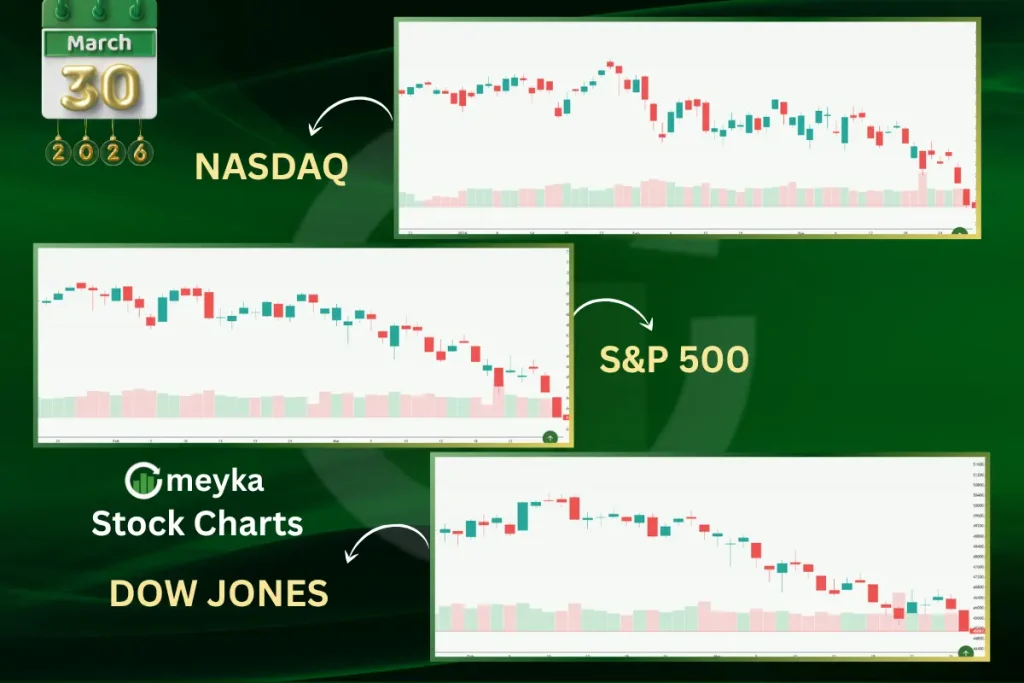
This activity reflects investor fear over a worsening conflict in the Middle East, rising oil prices, and concerns about economic growth. Many traders are trimming risk before fresh jobs data and other key reports.
Why are Markets Focused on Jobs Data Right Now?
What Jobs Report Is Coming and When?
The major economic catalyst this week is the U.S. March jobs report, scheduled for April 3, 2026, a Friday that includes a market holiday for Good Friday. This report is critical because it shows whether job growth has returned after February’s surprise contraction.
Economists expect about 55,000 new jobs with a 4.4% unemployment rate. A positive surprise could calm markets, while a weaker number might raise recession risks.
How Could Jobs Data Move Markets?
Investors pay attention to jobs data because it signals the strength of the economy and influences Federal Reserve decisions on interest rates. A strong jobs print suggests the labor market is resilient, which could keep rates higher for longer. Conversely, weak employment may push markets to price in rate cuts.
This week’s jobs report is especially important because the labor market showed weakness in the last release, deepening investor uncertainty.
Macro Forces Affecting U.S. Stock Market
How are Geopolitical Tensions Impacting Stocks?
The unfolding conflict involving Iran has emerged as the dominant market theme. Over the past month, oil prices have surged above $108 per barrel for Brent crude, driven by supply fears due to military escalation and disrupted shipping routes like the Strait of Hormuz.
Rising oil has two key effects:
- It pushes inflation higher, increasing costs for companies and consumers.
- It weighs on stock valuations as higher input costs reduce profit forecasts.
Markets have responded with rising volatility, marked by selling in equities. These pressures have contributed to the Dow, S&P 500, and Nasdaq sliding into correction territory (defined as a 10% drop from recent highs).
What About Bond Yields and Inflation?
Benchmark U.S. Treasury yields (10‑year) climbed above 4.4%, reflecting inflation worries and risk aversion. Rising yields tend to make stocks less attractive, particularly growth‑oriented sectors such as technology, which rely on future earnings.
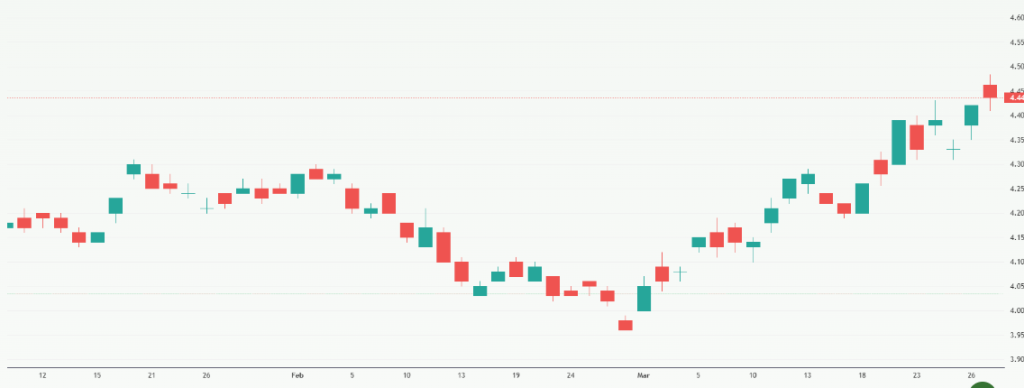
This situation complicates investors’ outlook, as stocks and bonds are both under pressure due to rising rates and slowing growth signals.
U.S. Index Breakdown: Recent Levels and Trends
Here is a snapshot of key index data from Investing.com:
- S&P 500 futures: trading near 6,368 (down from recent highs).
- Dow Jones futures: near 45,400, with mixed technical signals (daily and weekly technicals lean toward selling conditions).
The S&P 500 index, which tracks 500 large‑cap U.S. companies, has notched significant losses over the past weeks, reflecting broad risk aversion.
U.S. Sector Movers & Stock Market Drivers
Which Sectors are Under Pressure?
Technology and growth‑oriented stocks have faced selling pressure in recent sessions. Rising yields, geopolitical uncertainty, and weak sentiment have made investors cautious about high‑valuation names. Technical models suggested the Nasdaq has dropped into a correction pattern, down over 10% from recent highs.
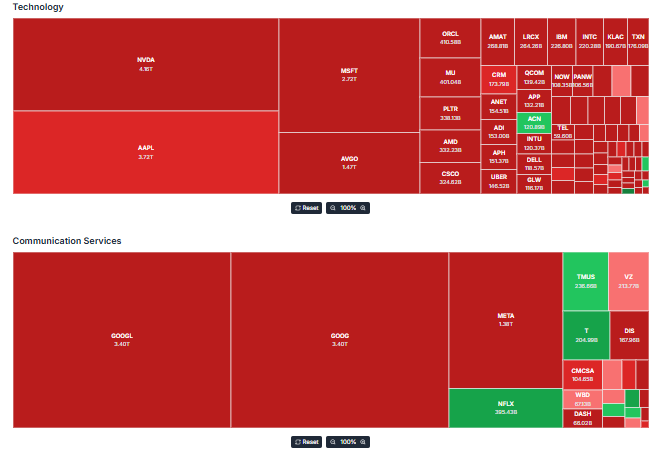
Energy stocks, by contrast, are buoyed by higher crude prices. These names have become a relatively safe haven as oil sector profits expand with rising global energy prices.
Key Forces Beyond Jobs Data
- Inflation data
- Corporate earnings updates
- Fed rate expectations
Will markets shift risk once earnings season begins in earnest? Many analysts believe volatility will remain until clearer macro signals emerge.
Expert Views & Market Sentiment Indicators
Most market analysts acknowledge high uncertainty. According to Reuters, analysts say the stock market’s recent slide reflects caution over economic growth and policy direction. One strategist noted that sentiment has moved to “risk‑off” as traders price in a less supportive economic backdrop.
Technical sentiment also reflects stress, with major averages exhibiting patterns consistent with downward pressure. Some forecasts suggest a potential rebound if jobs data cooperate, especially as automated AI stock analysis tools and traditional models reassess rate expectations in real time.
Bottom Line
Major U.S. indices are trading under pressure as markets brace for the March jobs report and grapple with geopolitical risk. Investors are watching jobs data closely because it could shift the interest rate outlook and change the tone across stocks, bonds, and commodities. Stay tuned for the payroll numbers and further market reactions as this week unfolds.
Frequently Asked Questions (FAQs)
The U.S. jobs report on April 3, 2026, may change investor sentiment and move Dow, S&P, and Nasdaq futures.
On March 30, 2026, futures are moving due to oil prices, geopolitical tensions, and traders waiting for key jobs data.
Stock market movement this week is uncertain. Futures show caution as investors watch jobs data, oil prices, and market volatility.
Disclaimer:
The content shared by Meyka AI PTY LTD is solely for research and informational purposes. Meyka is not a financial advisory service, and the information provided should not be considered investment or trading advice.
What brings you to Meyka?
Pick what interests you most and we will get you started.
I'm here to read news
Find more articles like this one
I'm here to research stocks
Ask our AI about any stock
I'm here to track my Portfolio
Get daily updates and alerts (coming March 2026)