











US Stock Market Today: Dow, S&P 500, Nasdaq Futures Slip as Iran Rejects Talks
On March 24, 2026, Wall Street opened to a wave of tension and uncertainty. Dow, S&P 500 and Nasdaq futures slipped as global traders reeled from fresh headlines out of the Middle East. Oil prices jumped above key levels on fears that a diplomatic breakthrough between the U.S. and Iran may be further off than some hoped, Tehran denied any active talks with Washington.
This sudden clash of geopolitical signals hit markets fast. One moment traders were pricing in peace prospects; the next, they were bracing for supply shocks and inflation pressure. The result? equity futures weakened and risk sentiment sagged, setting the tone for a volatile trading day ahead.
U.S. Stock Market Snapshot: Futures and Index Moves
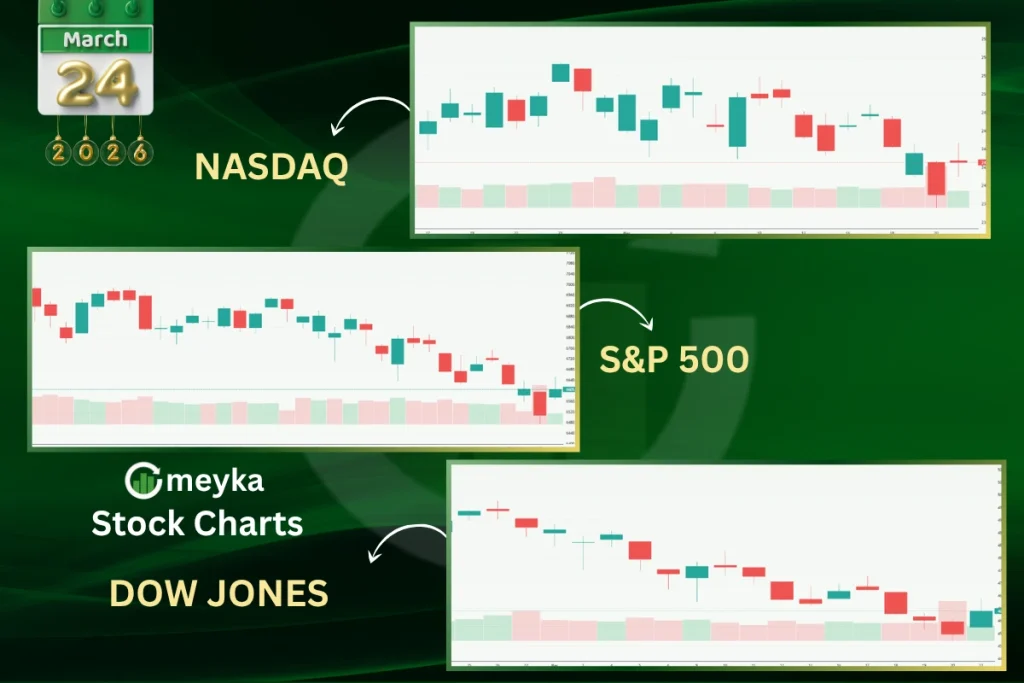
On March 24, 2026, U.S. stock index futures were under pressure as traders reassessed geopolitical headlines. Before the opening bell, Dow Jones, S&P 500, and Nasdaq futures were trending lower as investor appetite for risk dipped. This came after conflicting signals about diplomatic progress between the United States and Iran. Markets often react to geopolitical uncertainty, especially when energy prices are involved. Recent volatility linked to the Middle East war has made futures pricing more sensitive to news flow.
Oil, a major driver of inflation expectations, also climbed. Brent crude rose above $100 per barrel, and West Texas Intermediate (WTI) futures moved past $90 per barrel, adding pressure on equities as energy costs feed into broader inflation concerns.
This backdrop is key. Futures markets are pricing in an uncertain session. Slippage in the Dow, S&P, and Nasdaq highlights risk‑off sentiment ahead of the cash market open.
Geopolitical Catalyst: Iran Rejects Talks Claim
What Happened Between the U.S. and Iran?
In recent days, there was a flurry of conflicting reports about potential diplomatic progress. President Donald Trump said the U.S. and Iran had held “very good and productive conversations” and indicated a pause in planned military strikes on Iranian power plants. This Friday optimism briefly lifted markets.
However, Iran denied these claims. The state‑affiliated Tasnim news agency said there were no negotiations with the United States and suggested that the claim was aimed at sowing discord domestically and internationally. Tehran also stated that the Strait of Hormuz would not return to pre‑war transit levels.
The denial reversed some of the optimism and left traders questioning the validity of conflicting narratives. This disconnect between announcements and facts has increased market jitteriness.
How Did Markets Interpret This?
Equity markets are trading based on expectations. A path toward diplomacy usually supports stocks, while persistent conflict elevates risk. The denial from Iran cut through earlier hope, causing a shift toward risk‑off pricing. Some analysts said the mixed messages are driving volatility, as traders adjust positions rapidly in response to headlines and then wait for confirmation.
U.S. Stock Market Today: Broader Market Drivers
Why are Oil Prices So Influential Now?
The war has disrupted oil flows, especially through the Strait of Hormuz, which historically carries about 20% of global oil supply. Since February 28, tanker traffic has plunged, contributing to high energy prices.
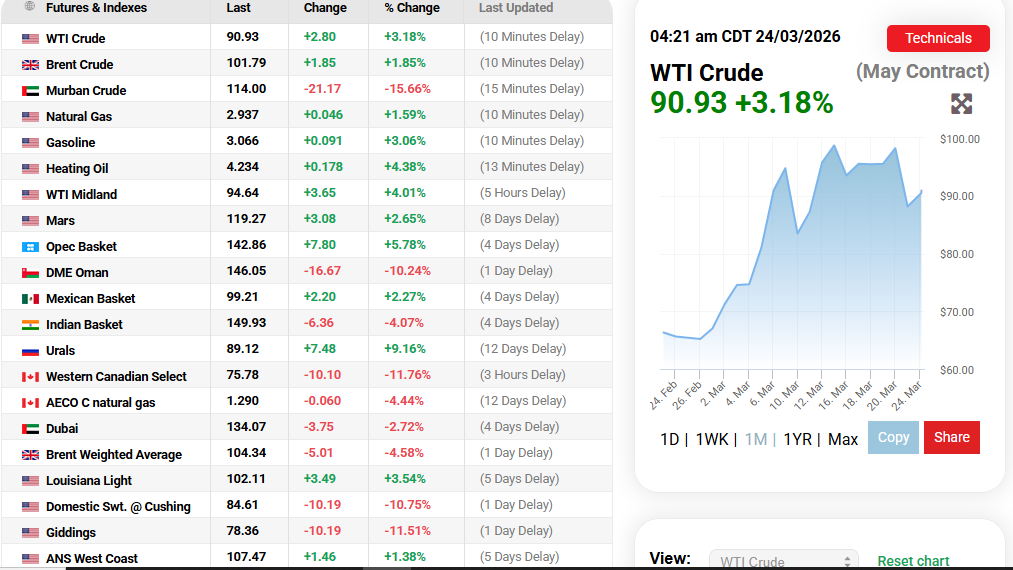
When oil rises, it increases input costs for many industries. Higher energy prices also fuel inflation expectations. That, in turn, affects the Federal Reserve’s policy outlook. Even if the Fed is not expected to cut rates soon, markets will price future decisions based on inflation risks tied to commodities.
Moreover, traders and market analysts sometimes use advanced tools, including AI stock analysis tools, to process real‑time price and sentiment data, especially during conflict‑driven volatility.
What Else Is Driving Sentiment?
Investors are also watching macroeconomic indicators:
- U.S. Treasury yields climbed, signaling expectations of more persistent inflation and higher interest rates.
- The U.S. dollar regained strength, often seen when markets price more risk aversion.
- Safe‑haven assets like gold saw mixed moves as inflation and bond yields diverged.
These macro drivers show how deeply interconnected current market forces are. Equity performance is no longer just about earnings or economic data, it’s about geopolitics, energy, inflation, and global risk preferences.
Sentiment & Technical Market Signals
What Technical Levels Matter Most Now?
Technical analysts are watching several key zones:
- Support levels near recent session lows, which could trigger further selling if broken.
- Resistance points where futures could rebound if geopolitical risk eases.
Volatility measures, such as the VIX, have risen recently, reflecting elevated trader fear and uncertainty. Higher volatility often leads to wider trading ranges and more rapid swings in prices.
How are Traders Positioning?
Many traders are shifting positions based on news and headline risk. With geopolitical developments changing quickly, some market players are scaling back exposure or hedging with bonds and commodities. Others are looking for short‑term opportunities once momentum builds around fresh updates.
Sector rotation is also evident. Energy and defense stocks have seen interest due to conflict dynamics, while high‑growth tech names face pressure from rising yields and inflation concerns.
Macro Outlook & What Comes Next fo U.S. Market
What are the Most Important Indicators Traders Will Watch?
Investors are focused on several upcoming data points:
- Inflation indicators, including CPI and PCE data.
- Federal Reserve commentary on interest rates.
- Ongoing Middle East news, which could affect energy prices.
Any sign of de‑escalation could boost equities quickly. But continued conflict and higher oil risks could keep markets volatile and bearish.
How Might This Affect the Broader Economy?
Persistent disruption to oil supply has knock‑on effects:
- Higher fuel costs for consumers and businesses.
- Potential slowing of economic growth if inflation accelerates.
- Pressure on central banks to balance inflation control with growth support.
The current situation underlines how geopolitical shocks can ripple through financial markets and macroeconomic expectations.
Wrap Up
U.S. stock futures are trading lower as investors balance mixed geopolitical signals with inflation and energy risks. Conflicting narratives about U.S.-Iran negotiations have amplified market swings, especially in oil and equity futures.
Traders now watch key macro data and geopolitical developments closely. In this unsettled environment, volatility will likely remain high, shaping the path for Dow, S&P 500, and Nasdaq performance in the days ahead.
Frequently Asked Questions (FAQs)
On March 24, 2026, futures fell due to Iran denying U.S. talks and rising oil, causing market risk concerns.
The Iran conflict on March 24, 2026, pushed oil higher and made investors cautious, lowering U.S. stock market futures.
Traders on March 24, 2026, watch support and resistance levels in Dow, S&P 500, and Nasdaq for potential price swings.
Disclaimer:
The content shared by Meyka AI PTY LTD is solely for research and informational purposes. Meyka is not a financial advisory service, and the information provided should not be considered investment or trading advice.
What brings you to Meyka?
Pick what interests you most and we will get you started.
I'm here to read news
Find more articles like this one
I'm here to research stocks
Ask our AI about any stock
I'm here to track my Portfolio
Get daily updates and alerts (coming March 2026)