











Oil prices have climbed sharply above $100 per barrel in March 2026, driven by renewed conflict in the Middle East and disruptions to key supply routes like the Strait of Hormuz. The spike has rattled global markets and sent U.S. stock index futures into a downward spiral, with major benchmarks sliding as investors brace for rising inflation and slower growth. This sudden turn has put pressure on risk assets and reshaped market expectations in real time.
Wall Street traders are now weighing energy costs, geopolitical risk, and economic data more closely than ever. As the fallout unfolds, everyday investors and business leaders alike are asking: what’s next for markets and inflation?
Why are US stock futures falling today?
U.S. stock index futures have been weak in early trading as escalating tensions in the Middle East push up oil prices. Futures tracking the S&P 500, Dow Jones, and Nasdaq all showed downward pressure as geopolitical risk rose. Markets are pricing in the risk that sustained higher energy prices will slow economic growth and complicate corporate profits.
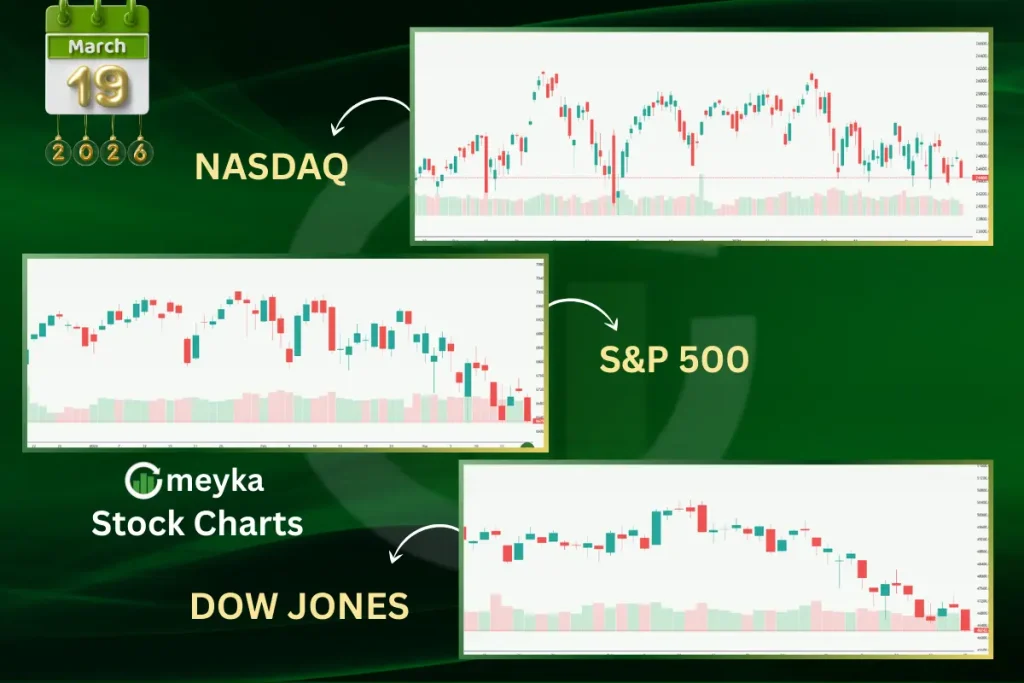
Traders have rotated out of risk assets into safer assets such as the U.S. dollar and gold. The CBOE Volatility Index (VIX) also climbed, signaling rising fear among investors as uncertainty deepens in equity markets.
How Oil Price Surges are Driving Market Moves?
A major driver of the recent pullback in stock futures is the sharp rise in oil prices associated with the 2026 U.S.-Iran conflict. Brent crude and U.S. West Texas Intermediate (WTI) benchmarks have climbed as supply fears persist. On March 19, 2026, Brent crude briefly topped $112.86 per barrel, while WTI reached around $97.28, driven by attacks on energy infrastructure and threats to key shipping lanes.
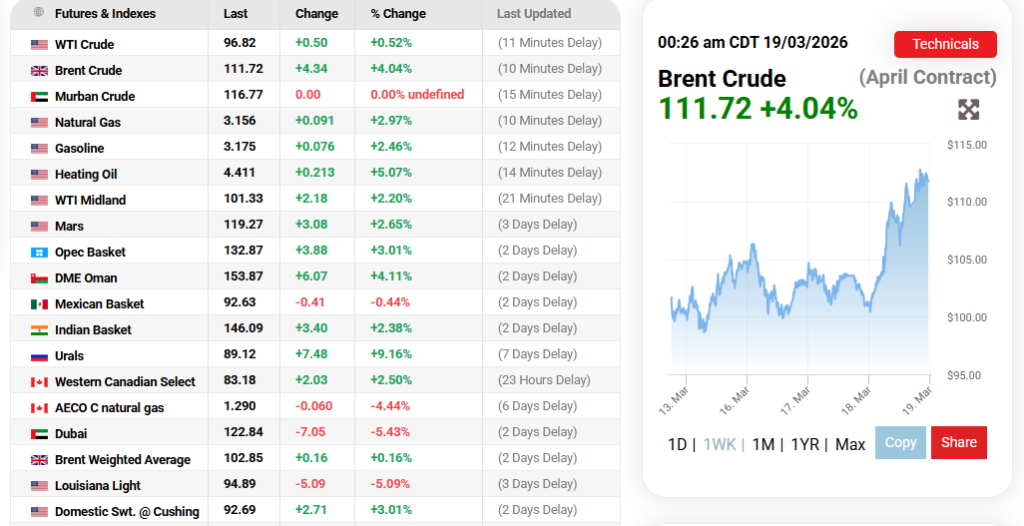
Analysts point to closures and disruptions around the Strait of Hormuz, a chokepoint for almost 20% of global oil trade, as critical to the supply squeeze. Any prolonged disruption here can push oil prices higher, feeding inflation fears, and a sharp rise in stock futures is associated with the 2026 U.S.-Iran mic growth.
Why Does Oil Matter to Inflation and Stocks?
Oil prices influence inflation because energy costs feed into nearly every part of the economy. Higher oil prices often lead to higher transportation and manufacturing costs. This can squeeze consumer spending and corporate margins. According to research, a 10% rise in oil prices could raise headline inflation by roughly 0.4 percentage points over time, though central banks may look through short-term rises tied to shocks.
Rising energy costs have already shown up in consumer markets. Gasoline prices in the U.S. climbed sharply in mid‑March 2026, with national averages near $3.84 per gallon, putting pressure on household budgets and small businesses.
Inflation fears have contributed to central bank caution. On March 18, 2026, the Federal Reserve maintained interest rates at 3.5%-3.75% and revised its inflation outlook upward to 2.7%, citing persistent price pressures tied to energy and supply disruptions.
What are Analysts Saying About Market Risks?
Market commentators and research firms highlight several risk channels:
- Geopolitical risk: Continued conflict related to the 2026 Iran war increases the likelihood of prolonged oil market disruptions.
- Inflation shock risk: Some macroeconomic research indicates that if oil remains above $100+, inflation could exceed central bank targets.
- Safe‑haven demand: Investors are buying gold and the U.S. dollar as risk assets fall, a common pattern during uncertainty.
AI stock analysis tools currently flag rising volatility and highlight that energy supply uncertainty is a top risk factor for equities over the next quarter.
Which Sectors are Losing and Which are Gaining?
The market impact has been uneven:
Sectors Under Pressure
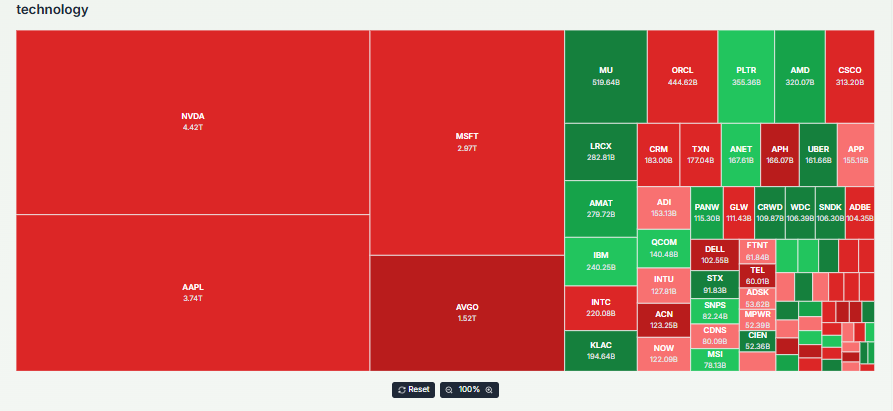
- Technology and growth stocks have fallen as rising yields and inflation expectations hurt valuations.
- Consumer-discretionary stocks are weaker, as higher costs dampen the outlook for consumer spending.
Beneficiaries
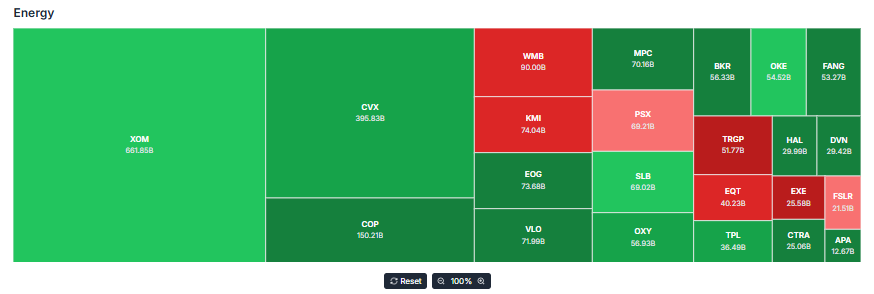
- Energy stocks have outperformed as crude prices rise and profit margins expand for oil and gas producers.
- Defense and safe‑haven sectors like gold mining and some utility stocks gained ground.
Broad market volatility has led to sector rotation as investors adjust exposures.
What Happens Next? Key Market Drivers to Watch
Investors are watching a handful of developments that could shape markets in the coming weeks:
- Iran conflict progress: Any sign of de‑escalation could ease supply fears and calm oil markets.
- Upcoming CPI and PCE inflation data: Fresh inflation reports will help indicate if price pressures are sustaining.
- Fed policy signals: If inflation proves persistent, the Federal Reserve may delay future rate cuts.
- Oil price direction near key levels: Brent above $110-$120 remains a critical threshold for inflation and sentiment.
Markets could shift quickly if one or more of these factors turn decisively.
How are Global Markets Reacting?
The U.S. is not alone. International markets are also showing stress:
- European and Asian equity markets have slid amid similar risk‑off sentiment.
- Bond yields fluctuate with inflation expectations and safe‑haven demand.
- Commodities like gold have risen as investors seek protection.
The widespread market reaction underscores the interconnections among energy prices, inflation, and global growth expectations.
U.S. Stock Futures: What Investors Should Do Now?
Given the current backdrop, investors and traders are advised to consider the following:
- Protect capital with diversification: Defensive sectors and alternatives may help buffer volatility.
- Monitor inflation signals closely: CPI and PCE trends will drive policy and sentiment.
- Avoid overexposure to high‑beta stocks until clarity returns.
- Watch energy prices and Middle East news for signs of changing supply risks.
These moves can help manage risk while maintaining exposure to longer‑term growth opportunities.
Bottom Line
US stock futures remain under pressure as oil prices surge above $100 amid tensions with Iran. Inflation fears and geopolitical risks are reshaping market sentiment. Investors are rotating into energy and defensive sectors while closely monitoring Federal Reserve policy and global developments. Short-term volatility is likely to persist, as oil prices, inflation data, and geopolitical developments continue to drive market movements.
Frequently Asked Questions (FAQs)
U.S. stock futures fell on March 19, 2026, due to rising oil prices, rising inflation, and geopolitical tensions.
Higher oil prices raise production and transport costs, pushing inflation higher, which can pressure stocks and slow economic growth.
Energy stocks and oil-related sectors gain when prices rise, while technology and consumer stocks may face pressure.
Disclaimer:
The content shared by Meyka AI PTY LTD is solely for research and informational purposes. Meyka is not a financial advisory service, and the information provided should not be considered investment or trading advice.
What brings you to Meyka?
Pick what interests you most and we will get you started.
I'm here to read news
Find more articles like this one
I'm here to research stocks
Ask our AI about any stock
I'm here to track my Portfolio
Get daily updates and alerts (coming March 2026)