











US Stock Futures Slide as Nvidia Weighs on Wall Street; Netflix Rallies
U.S. stock futures dipped sharply on February 26, 2026, as traders digested a surprise twist in the tech rally. Despite record earnings from Nvidia, the AI chip leader’s shares slid more than 5%, sparking caution across major indexes like the S&P 500 and Nasdaq.
At the same time, streaming giant Netflix bucked the trend, rallying in extended trading after key deal news boosted investor confidence. This unusual market seesaw reflects deeper questions about tech valuations, artificial intelligence demand, and shifting investor sentiment.
NVIDIA’s Impact on US Stock Futures
How did Nvidia’s earnings affect futures?
NVIDIA reported strong fourth‑quarter results for fiscal 2026. Revenue hit about $68.1 billion, and earnings per share topped expectations with $1.62. It also gave a hefty revenue guide of roughly $78 billion for Q1 FY27. However, despite those numbers, the market reaction was oddly weak.
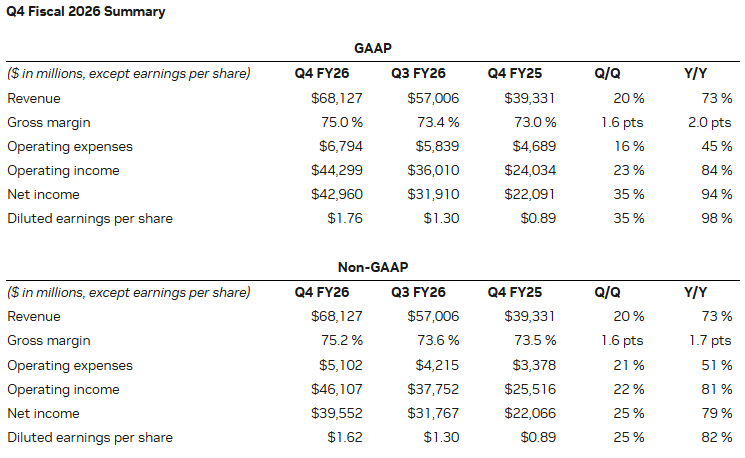
Futures on the S&P 500 and Nasdaq slid as Nvidia’s share price dropped about 5.5% after hours on Feb. 26, 2026. Traders appeared skeptical that AI‑related earnings would translate into broad market gains.
This decline in Nvidia weighed on tech stocks overall. Microsoft and Salesforce both slid in extended trading, pushing the tech‑heavy Nasdaq futures lower. Hard data shows the Nasdaq Composite fell more than 1% in regular session trade. This suggests that strong results alone are no longer enough to sustain tech gains if investors doubt future spending on AI infrastructure.
Why are investors cautious about Nvidia?
Some analysts now argue investors want clearer evidence that AI spending will translate into profits beyond just revenue growth. According to Reuters, market participants are looking for “tangible results of AI monetization” before rewarding Nvidia’s shares again.
NVIDIA’s recent performance highlights a broader issue. Its stock is trading at premium multiples and still commands a high valuation in AI. But investors are asking tougher questions about future growth. This has made futures swings more sensitive to Nvidia’s price action.
NVIDIA Stock: Forecast and Technical Summary
According to Meyka.com, Nvidia (NVDA) trades near $187.90 with a neutral technical picture. RSI sits in the mid‑range, and the stock is roughly flat year‑to‑date. Meyka’s AI‑powered forecast model predicts a 12‑month target of around $246.35, implying a potential near 30% upside. Short‑term trends may remain choppy, with price forecasts near $161-$177 if bearish momentum resumes. Longer‑term models show strong bullish potential toward $366+ in 3 years and beyond.
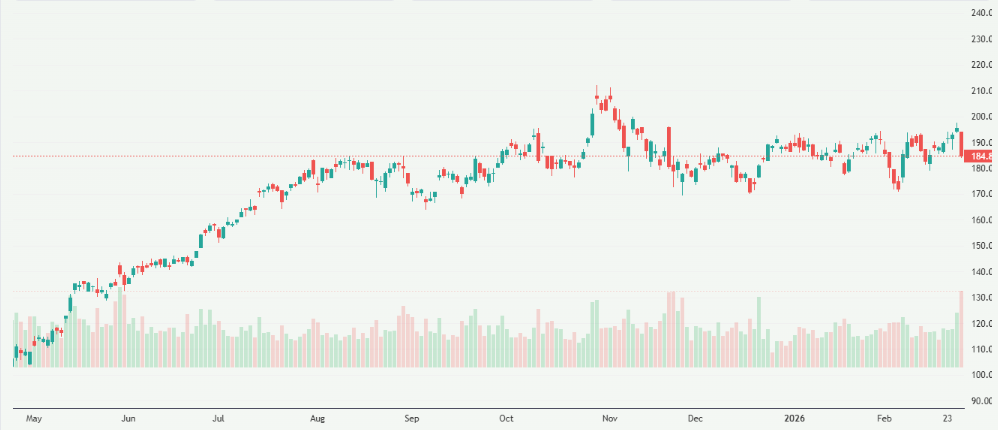
This mixed but generally positive long‑term outlook contrasts with near‑term weakness in futures markets. It further illustrates why Nvidia’s price swings have an outsized influence on stock expectations in early 2026.
Netflix Rally Explained
Why did Netflix stock rally while markets fell?
Netflix surged sharply on February 26-27, 2026. After markets closed, the company announced it would not raise its offer to match a higher bid from Paramount Skydance for Warner Bros. Discovery. This stance ended a costly bidding war and lifted Netflix shares by roughly 9-11% in aftermarket trading.
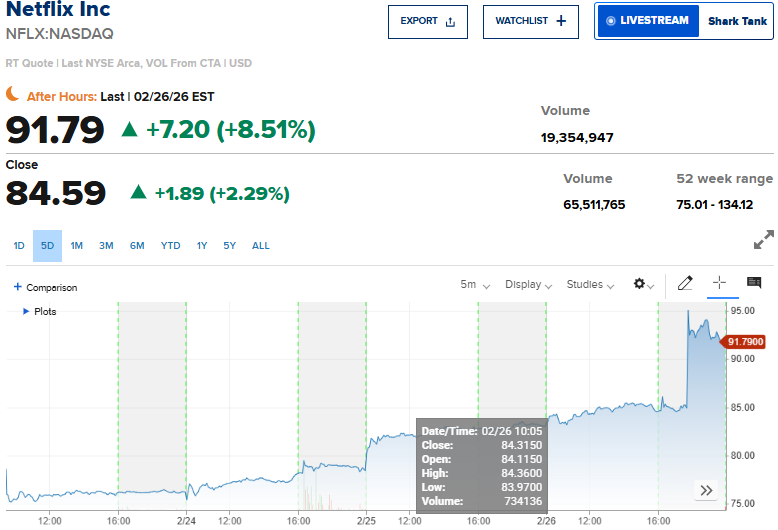
Investors saw this as a relief move. Netflix said a higher bid would no longer be “financially attractive”. At the same time, it will earn a $2.8 billion termination fee if Warner Bros. accepts the Paramount offer. Netflix also emphasized that it plans to resume share repurchases and focus on organic growth.
Does Netflix have fundamental strength?
Netflix’s core business has been resilient. The company continues to post steady subscriber growth, especially in international markets and ad‑supported tiers. Its content spend, while high, supports long‑term engagement. Experts and analysts remain divided but generally positive about Netflix’s brand strength and ability to grow advertising revenue.
However, Netflix also carries risks. Recent guidance fell slightly short of some expectations, and margins were under pressure due to higher content and live event spending. This has weighed on the stock at times in recent months.
What do analysts forecast for Netflix stock?
Meyka’s current technical snapshot for Netflix (NFLX) shows a deeply oversold RSI, implying a possible rebound opportunity. Despite the oversold condition, forecasts remain highly divergent, with models projecting very wide price paths over longer timelines. A 12‑month target from some models suggests significant long‑term upside potential, but this is subject to strategic execution and industry developments.
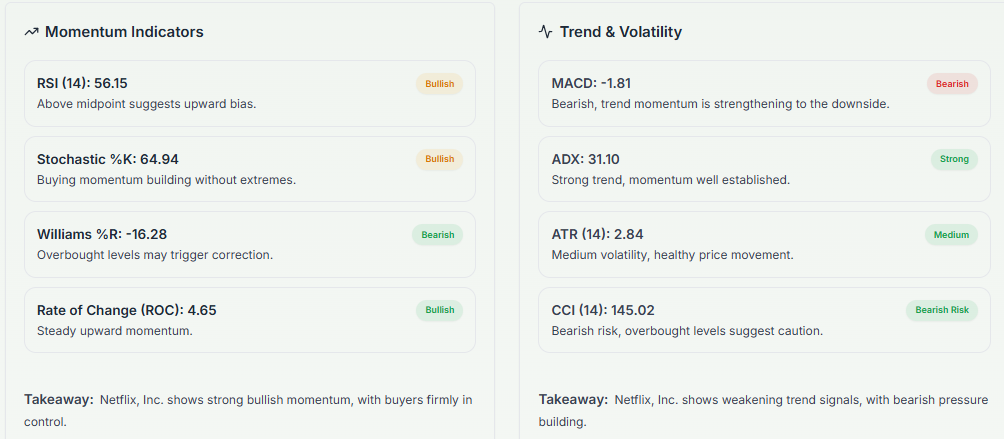
This divergence underscores how market moves can disconnect short‑term reactions from long‑term forecast models. It also reflects why Netflix can rally even when broad market futures slide.
Broader Market Mood and Sector Trends
What is driving overall market sentiment?
Broad market sentiment in February 2026 has been fragile. Despite a mix of strong quarterly results from tech leaders like Nvidia, futures traders have shown heightened sensitivity to mixed earnings and macro risks. Renewed tariff concerns and geopolitical tensions have added pressure to risk assets. Recent data points also show a fear index (VIX) spiking amid sell‑the‑news reactions to earnings.
Investors are balancing strong earnings with uncertainties over future demand for tech spending, especially in AI. Many are rotating into defensive and value sectors, such as energy or staples, when tech falters. This shift has slowed broad index gains, even as individual names like Netflix rally on idiosyncratic news.
Are there signs of U.S. Stock Market sector rotation?
Yes. Semiconductor stocks have been weak relative to defensive areas. Software companies outside the AI hype have also struggled after earnings misses, prompting some investors to trim tech exposure. Meanwhile, indexes with broader sector weightings, like the Dow Jones, have seen relatively smaller swings compared to the Nasdaq.
This rotation suggests that market breadth remains uneven. Tech and AI leaders still dominate headlines, but their influence on overall market direction is less certain than in prior quarters.
Conclusion
Nvidia’s earnings beat failed to ignite broad market gains, weighing on U.S. stock futures and fueling tech stock weakness in late February 2026. At the same time, Netflix’s rally shows that stock‑specific catalysts can buck market trends.
Investors remain cautious amid mixed earnings, macro uncertainty, and sector rotation. Watch how earnings results, deal outcomes, and broader economic signals shape the next leg for markets and stocks.
Frequently Asked Questions (FAQs)
Why did US stock futures drop today?
US stock futures fell on Feb 26, 2026, because Nvidia’s shares dropped after earnings. Investors worried about tech valuations and AI growth, which slowed the broader market’s momentum.
Why is Netflix stock rising now?
Netflix rose on Feb 26-27, 2026, after it chose not to raise its bid for Warner Bros. Investors saw this as smart spending and a chance for steady growth.
Is Nvidia a buy after the recent dip?
NVIDIA dipped after Feb 26, 2026, earnings. Analysts remain divided. Long-term growth in AI looks strong, but near-term volatility and high valuations make it cautious for some investors.
Disclaimer: The content shared by Meyka AI PTY LTD is solely for research and informational purposes. Meyka is not a financial advisory service, and the information provided should not be considered investment or trading advice.