US stock futures were flat early Friday, February 13, 2026, as investors stayed cautious ahead of the highly anticipated U.S. Consumer Price Index (CPI) inflation report. Markets turned defensive after a sharp sell-off in technology stocks on Thursday, led by heavy losses in major names like Apple and Nvidia. Traders are now waiting for fresh inflation data to assess where interest rates could head next.
Even small changes in CPI figures can shift market direction, bond yields, and investor confidence. With inflation still a key concern, Wall Street is closely watching today’s report for signs of cooling price pressure. Until the numbers are released, uncertainty remains high, keeping stock futures range-bound and traders on edge.
Advertisement
US Stock Futures Snapshot – February 13, 2026
How did US stock futures perform before the CPI report?
US stock futures traded nearly flat early Friday, February 13, 2026, as investors avoided major positions ahead of the key inflation update. Pre-market levels at 7:30 a.m. ET:
- S&P 500 Futures: -0.2%
- Dow Jones Futures: -0.2%
- Nasdaq 100 Futures: -0.2%
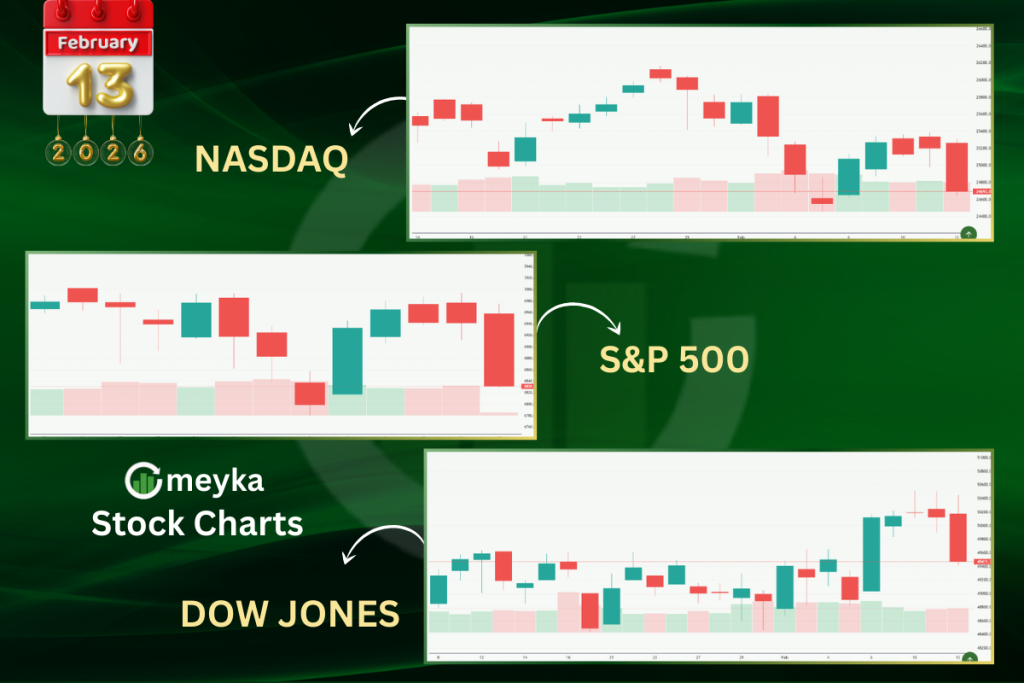
Traders showed caution after sharp losses on Thursday, mainly in technology stocks. Futures stayed near the flatline as markets waited for CPI data for direction.
What does a flat trading signal mean?
Flat futures often reflect uncertainty and risk avoidance. Investors prefer to stay defensive before major economic data releases. With inflation still shaping rate expectations, traders waited for confirmation before committing fresh capital.
Why are Tech Stocks Falling Before CPI Data?
What triggered the tech sell-off on February 12, 2026?
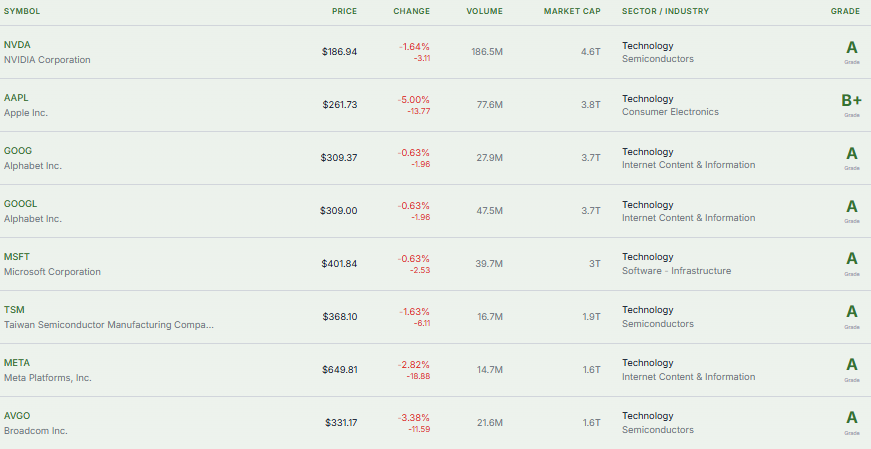
Technology stocks faced heavy selling on Thursday, February 12, 2026, driven by renewed fears over AI-led industry disruption and rising operational costs.
Major stock movements:
- Apple (AAPL): -5%, worst daily drop since April 2025
- Cisco (CSCO): -12%, after warning about rising memory chip expenses
- Meta, Amazon, Nvidia: fell between 2% and 4%
How is AI disruption affecting investor confidence?
Investors worry that fast AI innovation may:
- Reduce pricing power
- Increase competition
- Raise infrastructure costs
- Pressure corporate margins
This has triggered profit booking in megacap tech stocks and accelerated a shift toward defensive sectors.
CPI Inflation Report – Why Is It So Important for Markets?
What are economists expecting from the January CPI data?
The January 2026 CPI report, due at 8:30 a.m. ET on February 13, is expected to show moderate cooling in inflation. Market consensus forecast:
- Headline CPI (MoM): +0.3%
- Headline CPI (YoY): ~2.5%
- Core CPI (MoM): +0.3%
Why does CPI influence stock market direction?
CPI directly impacts Federal Reserve interest rate decisions.
- Lower inflation → Higher chance of rate cuts → Bullish for stocks
- Higher inflation → Rate cuts delayed → Bearish for tech and growth stocks
Markets currently price a 70% probability of a Fed rate cut in June 2026.
How Did Wall Street Perform on February 12, 2026?
What caused the sharp market decline?
Wall Street suffered one of its worst sessions in weeks as tech stocks collapsed and bond yields dropped. Closing figures (February 12, 2026):
- S&P 500: -1.6%
- Dow Jones: -1.3% (down 669 points)
- Nasdaq Composite: -2%
What did the bond market signal?
The 10-year Treasury yield fell to 4.11%, its lowest level in 2026, showing rising demand for safety. This move confirmed growing risk-off sentiment among investors.
How are AI Fears Shaping Market Trends?
Why are AI concerns increasing market volatility?
Investors fear AI tools may:
- Disrupt traditional business models
- Reduce employment demand
- Compress margins in logistics, finance, and software
A major trigger was new logistics AI technology, which threatened trucking demand and led to heavy selling in transportation stocks.
How can investors use AI tools wisely?
Professional traders now rely on AI stock analysis tools to detect early risk signals, volatility trends, and technical breakdown levels before price collapses.
What are Analysts Saying About Market Direction?
Is a market rebound possible after the CPI data?
Most analysts agree that:
- Cool inflation data could trigger a strong relief rally.
- Hot inflation numbers may extend selling pressure.
According to Reuters, traders expect short-term volatility spikes regardless of the outcome, especially in:
- Tech stocks
- Treasury yields
- US dollar index
Post-CPI Market Scenarios: What Could Happen Next?
Scenario 1: CPI Comes in Below Forecast
Likely outcomes:
- Tech stock rebound
- Nasdaq-led market rally
- Bond yields fall
- Higher probability of June rate cuts
Scenario 2: CPI Surprises Higher
Possible effects:
- Extended tech sell-off
- Rising volatility
- Stronger US dollar
- Delay in rate cut expectations
Conclusion: CPI Data Will Set Wall Street’s Next Direction
Markets entered February 13, 2026, with extreme caution. Flat US stock futures reflect deep uncertainty as investors wait for inflation clarity. After sharp tech losses and falling bond yields, CPI data now holds the power to reshape short-term trends.
If inflation shows meaningful cooling, risk appetite could return quickly. If inflation surprises higher, market stress may deepen. Either way, today’s CPI release is set to become one of the most influential market events of February, guiding investor strategies across stocks, bonds, and currencies.
Advertisement
Frequently Asked Questions (FAQs)
US stock futures stayed flat on February 13, 2026, as investors waited for inflation data. Traders avoided big moves due to uncertainty about interest rates and near-term market direction.
The CPI report on February 13, 2026, may shift market direction. Lower inflation could lift stocks, while higher inflation may increase selling and delay expectations of Federal Reserve rate cuts.
Tech stocks fell on February 12, 2026, due to AI disruption fears, rising costs, and profit-taking. Investors reduced exposure to risk before the key inflation report.
Disclaimer:
The content shared by Meyka AI PTY LTD is solely for research and informational purposes. Meyka is not a financial advisory service, and the information provided should not be considered investment or trading advice.
Advertisement
What brings you to Meyka?
Pick what interests you most and we will get you started.
I'm here to read news
Find more articles like this one
I'm here to research stocks
Ask our AI about any stock
I'm here to track my Portfolio
Get daily updates and alerts (coming March 2026)