











US Market: Dow, S&P 500 & Nasdaq Futures Fall Sharply Amid Oil Rally on Middle East Tensions
US market futures took a sharp turn lower on March 2, 2026, as rising geopolitical tension in the Middle East sent shockwaves through Wall Street. Futures tied to the Dow Jones, S&P 500, and Nasdaq all slid after American and Israeli strikes on Iran triggered a steep rally in oil prices and a rush to safe‑haven assets.
Crude oil surged toward multi‑month highs, sparking fresh concern about energy supply risks and inflation pressure. Investors pulled back from growth‑linked equities and rotated into gold and bonds as uncertainty gripped markets. This sudden shift has traders and everyday investors watching closely for the next moves in stocks, commodities, and global risk sentiment.
What’s Driving the Markets? Key Factors Behind the Dow, S&P 500 & Nasdaq Fall
The sharp sell‑off in U.S. stock futures this week is driven mostly by escalating Middle East tensions and a consequent surge in oil prices. Over the weekend, coordinated U.S. and Israeli military action against Iran sparked fears of broader conflict and potential supply disruptions in global energy markets. Market data shows crude prices climbing sharply, with Brent crude reaching its highest levels in over a year due to supply route concerns around the Strait of Hormuz, a key passage for about 20% of global oil shipments.
Investors reacted quickly in futures markets, pushing Dow, S&P 500, and Nasdaq futures sharply lower late Sunday and early Monday. This move reflects fear that rising oil prices, trading near $80 per barrel, could boost inflation and pressure corporate profits.
Safe‑haven assets like gold and U.S. Treasuries also saw inflows as traders shifted away from riskier equities. Meanwhile, stocks had already been under pressure from sticky inflation data and uncertainty around technology sector valuations prior to the geopolitical shock.
U.S. Stock Futures Breakdown
How Much Did Futures Move?
By early Monday, major U.S. index futures were trading significantly lower in overnight and pre‑market action. Dow Jones futures were down over 1%, while S&P 500 futures fell about 1.1% and Nasdaq 100 futures slipped about 1%. These moves signal a potentially weaker open for the cash market when regular trading resumes.
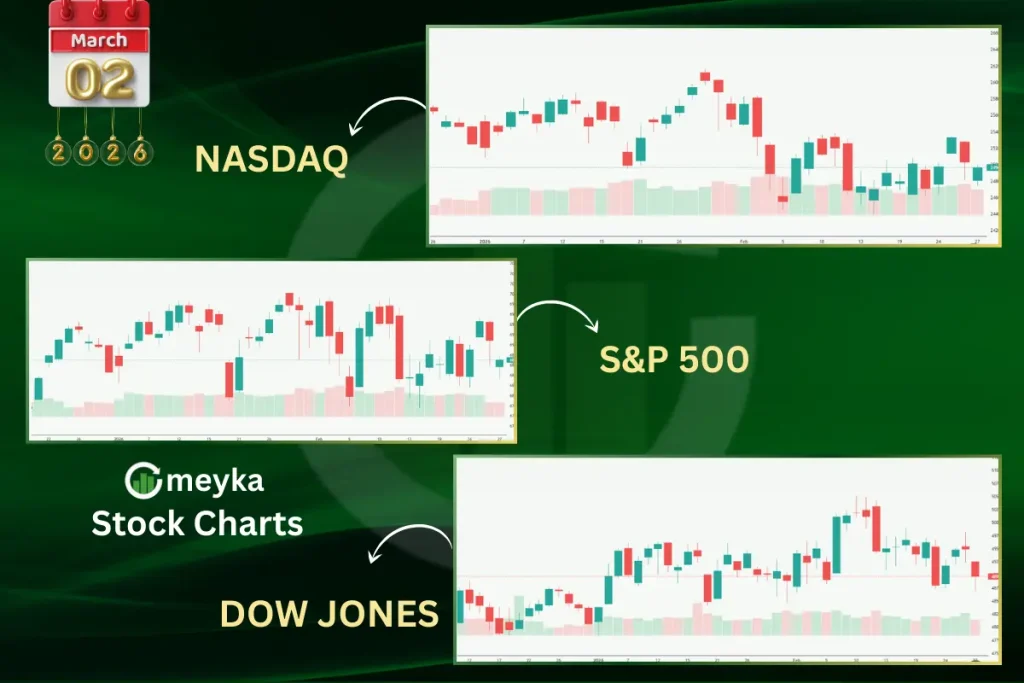
The sharp downward move reflects deepening investor fear and risk aversion as widespread regional instability raises questions about future economic growth and corporate performance.
Why Did Investors Sell?
Geopolitical shock is one part of the story. Traders are reacting to:
- Fears of supply disruptions in oil markets as tensions block or slow tanker traffic through critical routes like the Strait of Hormuz.
- Rising inflation risks as oil prices surge, which could force longer‑than‑expected restrictive monetary policy from the Federal Reserve.
- A flight to safety, with gold and Treasuries outperforming equities amid uncertainty.
What Sectors are Most Impacted?
The market is showing a defensive rotation:
- Energy stocks have outperformed as crude prices surge.
- Defense contractors are gaining on expectations of increased military spending.
- Travel and consumer discretionary stocks lag due to fuel cost concerns.
Other indices and asset classes, such as cryptocurrencies, also faced pressure, with Bitcoin slipping alongside equities, reflecting broader risk‑off sentiment.
What Meyka Says About the Broader Trend?
Near‑term data from Meyka’s AI‑driven market insights tool shows that prior to this geopolitical escalation, stock futures were already sensitive to macro drivers like tech sector volatility and Federal Reserve policy signals. This suggests the recent drop builds on underlying market fragility.
Broader Market Context: How Oil, Inflation, and Geopolitics Impact US Stocks
How Much Does Oil Impact Stocks?
Oil is a major input cost for many industries. Sharp rises in crude prices can:
- Increase transport and production costs for companies.
- Lead to higher consumer prices, reducing consumer spending.
- Weigh on profit margins, especially for airlines and consumer goods firms.
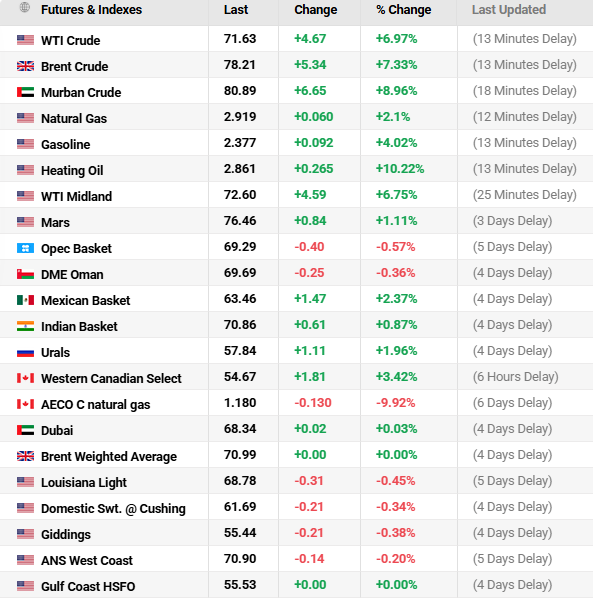
Brent crude futures surged over 8-13% on March 2, 2026, touching multi‑year highs amid widespread conflict fears and potential trade route closures.
Macro Forces Also Matter
Beyond geopolitics, several broader market factors influence investor sentiment:
- Inflation data remains above central bank targets, prompting caution about cutting interest rates.
- Federal Reserve policy decisions will influence future market direction as traders debate the pace of rate changes.
- Economic indicators like employment, manufacturing, and consumer spending data will be watched closely as risk sentiment fluctuates.
This intersection of macroeconomic shifts and geopolitical risk is creating a volatile market environment where equity risk premiums rise, and safe havens attract capital flows.
Real‑World Examples & Data: Latest Market Moves and Key Statistics
Recent session data underscores the current market pressures:
- On March 1-2, 2026, S&P 500, Dow, and Nasdaq futures all showed significant losses in reaction to Middle East tensions and a crude price rally.
- Oil prices hit near $80 per barrel, raising fears of sustained inflation and profit margin squeeze across sectors.
- Gold and silver climbed alongside Treasuries, highlighting broader risk‑off trading.
Analysts now focus on upcoming macro data releases (jobs, inflation, and PMI figures) and central bank policy cues for clues on the near‑term market path.
Closing Note
The fall in Dow, S&P 500, and Nasdaq futures reflects mounting fear from the Middle East conflict and a surge in oil prices. These forces, layered atop inflation and policy uncertainty, are testing investor confidence. As markets brace for further volatility, traders should watch energy prices, macroeconomic releases, and central bank signals closely to navigate risk and potential opportunities.
Frequently Asked Questions (FAQs)
US stock futures are falling because rising oil prices and rising Middle East tensions make investors nervous. This pushes money out of stocks and into safer assets like gold and bonds.
Tension in the Middle East can raise oil prices. Higher oil costs can slow business growth and raise inflation. This makes investors sell stocks and buy safer assets instead.
Watch future oil prices, key economic data, and central bank signals. These factors help investors gauge market direction after stocks and futures fall.
Disclaimer:
The content shared by Meyka AI PTY LTD is solely for research and informational purposes. Meyka is not a financial advisory service, and the information provided should not be considered investment or trading advice.
What brings you to Meyka?
Pick what interests you most and we will get you started.
I'm here to read news
Find more articles like this one
I'm here to research stocks
Ask our AI about any stock
I'm here to track my Portfolio
Get daily updates and alerts (coming March 2026)