











Today’s U.S. job report could be one of the most talked‑about economic releases of 2026. On February 11, 2026, the Bureau of Labor Statistics is set to publish delayed January employment data after a brief government funding lapse. Economists currently expect about 75,000 new nonfarm payrolls, slightly higher than December’s weak 50,000 gain, but still far below long‑term norms.
Markets are on edge. This report includes annual benchmark revisions. They could change last year’s job growth picture. Traders, policymakers, and Americans are watching closely. The data could show a cooling labor market or surprise everyone. It may move stocks, bonds, and interest rates.
What to Expect in Today’s U.S. Job Report?
Economists expect the U.S. January 2026 job report, now set for release on February 11, 2026, to show modest job growth after delays caused by a partial federal government shutdown. The non‑farm payrolls (NFP) figure is widely forecast to be around 70,000-75,000 jobs added, up from December’s 50,000 gain, but still weak by historical standards.
The unemployment rate is expected to remain steady at about 4.4%, reflecting a still restrained labor market. Wage growth is likely to show signs of cooling, with estimates around 0.3% month‑over‑month and about 3.6% year‑over‑year, softer than past readings.
This month’s release also includes annual benchmark revisions that could significantly reduce previously reported job gains for 2025. Analysts warn that this revision may reshape the narrative on recent employment strength. The market will be watching not just the headline numbers but also wage data and revisions, which could influence investor expectations of future Federal Reserve policy.
Why the January 2026 Jobs Report Is Unique?
Why Has the Jobs Report Been Delayed?
The January 2026 jobs report was postponed from its original February 6 release date because of a partial federal government shutdown, which halted data collection and processing at the Bureau of Labor Statistics (BLS). Once funding resumed, the BLS rescheduled the report for February 11, compounding market uncertainty because investors had to wait longer for this key economic indicator.
The delay matters because the report now also includes annual benchmark revisions, which compare survey responses with payroll records. These revisions are expected to show that hiring in 2025 was much weaker than previously reported, potentially weakening confidence in recent labor data.
What Structural Forces are Affecting the Labor Market?
Several big forces are affecting hiring trends. Stronger immigration enforcement and policy changes have reduced the labor supply, limiting the number of workers available to fill jobs. Trade policy uncertainty and tariffs have also discouraged hiring in certain sectors.
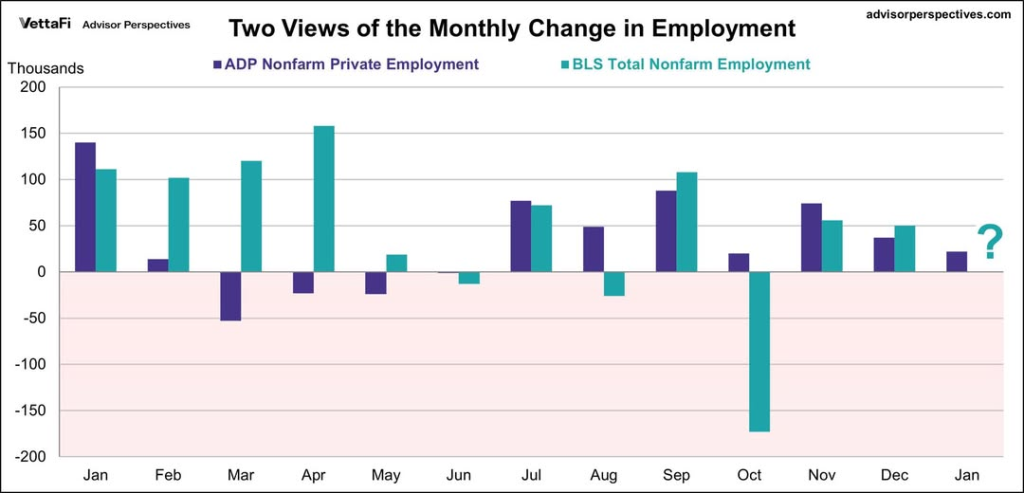
Meanwhile, private payroll data from ADP showed very weak hiring in January, with only 22,000 jobs added, far below forecasts. This suggests that many companies are reluctant to expand payrolls, even as some sectors like health care continue to add jobs. These trends are raising questions about how sustainable job growth will be in 2026.
Market Implications: Stocks, Bonds, Dollar & Rates
How Could the Job Report Move the U.S. Stock Market?
Stock markets are already reacting to economic data and expectations ahead of the jobs report. Futures for major indices like the S&P 500 and Nasdaq showed cautious optimism going into the release, reflecting investor hopes for stable employment but underlying wariness about weak growth.
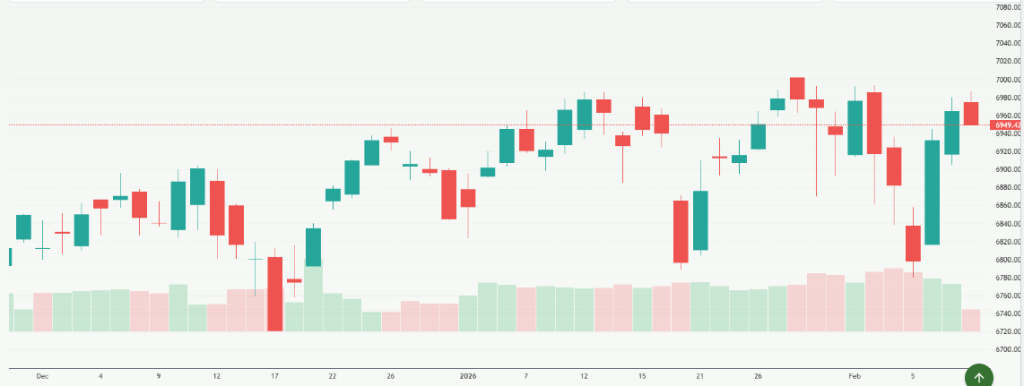
If the jobs number comes in below expectations, risk assets could weaken further as traders price in slower economic momentum. On the other hand, a result close to or above consensus could reduce fears of an outright slowdown and support stock gains.
Many investors now use AI stock analysis tools alongside traditional data to interpret these nuances and model potential market responses, especially around major data events like this one. That said, headline payrolls alone may not move markets as much as wage growth and revisions data, which signal underlying labor demand strength.
What Would It Mean for the Federal Reserve and Interest Rates?
The Federal Reserve closely watches jobs and wage growth to guide its interest rate decisions. If January’s report shows only modest hiring and cooling wages, the Fed could feel more comfortable pausing rate changes or even potentially considering cuts later in 2026.
Weak but steady jobs data combined with slowing inflation indicators might strengthen expectations for future policy easing. However, if employment surprises to the upside, more robust hiring or stronger wage gains, the Fed may maintain a higher for longer stance to counter inflation risks. Growing bond and currency market reactions depend heavily on how traders interpret labor data relative to inflation signals and Fed commentary following the release.
Historical Context: Employment Trends and Surprises
Over the past year, the U.S. labor market has shown slower growth compared to pre‑pandemic trends. For much of 2025, monthly payroll gains often missed forecasts, and job openings fell to a 14‑month low, indicating weakening labor demand.
Private sector data has reinforced this view. ADP’s January report revealed only 22,000 private jobs added, highlighting that many companies are stepping back from hiring. Even sectors that have traditionally led employment gains, like manufacturing and business services, posted declines in recent months.
Despite ongoing economic growth overall, hiring has not kept pace, which raises questions about the quality and sustainability of recent job growth. Analysts note that the labor market is stuck in a “low‑hire, low‑fire” equilibrium, where layoffs remain limited but new jobs are scarce.
These trends set the stage for the February 11, 2026, jobs report to be more than just another data point; it could signal whether labor conditions are stabilizing or still under pressure.
Final Words
Today’s jobs report will shape markets, Fed decisions, and consumer confidence. Beyond January hiring, wage trends and annual revisions matter. Investors will watch closely for signals about the 2026 economy.
Frequently Asked Questions (FAQs)
The next U.S. jobs report will be released on February 11, 2026, by the Bureau of Labor Statistics. It covers employment and wage data for January 2026.
The main numbers to watch are nonfarm payrolls, unemployment rate, and average wages. These show how many jobs were added, overall employment health, and pay trends in January 2026.
The jobs report can move stocks, bonds, and the U.S. dollar. Strong jobs may push interest rates up, while weak data could make markets expect slower growth.
Disclaimer:
The content shared by Meyka AI PTY LTD is solely for research and informational purposes. Meyka is not a financial advisory service, and the information provided should not be considered investment or trading advice.
What brings you to Meyka?
Pick what interests you most and we will get you started.
I'm here to read news
Find more articles like this one
I'm here to research stocks
Ask our AI about any stock
I'm here to track my Portfolio
Get daily updates and alerts (coming March 2026)