UK employment and jobseekers are facing a tougher labour market as we move into 2026. Official figures show the UK unemployment rate climbed to around 5.2% in the three months to December 2025, its highest in nearly five years, while wage growth eased and job vacancies fell.
At the same time, a major British Retail Consortium survey found that a majority of UK retailers plan to cut staff hours, reduce overtime, or trim headcount in response to rising employment costs this year. These shifts are putting new pressure on households and businesses alike, setting the stage for a pivotal moment in the UK employment landscape in early 2026.
Advertisement
UK Employment Outlook Weakens as Retailers Slash Hours and Cut Jobs
UK Labour Market Shows Weakening Signs
Recent official data paints a clear picture: the UK jobs market is losing momentum. In the three months to December 2025, the UK unemployment rate rose to 5.2%, its highest level since early 2021, according to the Office for National Statistics (ONS).
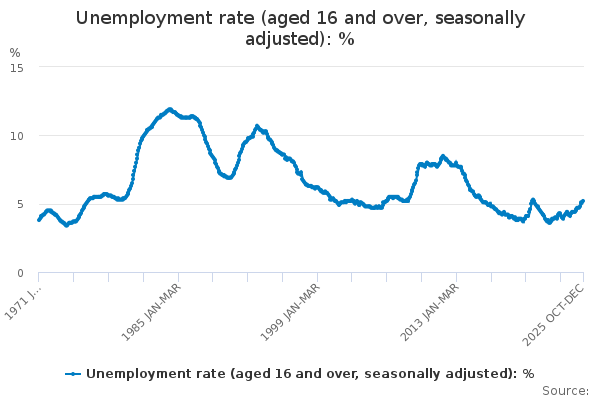
Payrolled employment numbers also fell, and job vacancies edged lower, suggesting hiring has slowed across the economy. At the same time, wage growth cooled to some of its weakest levels in years. This weakening trend has increased market expectations that the Bank of England might cut interest rates in 2026 to support economic activity.
The labour market softening comes alongside continued cost pressures and rising business pessimism. Retail, a major private sector employer, is feeling the strain most acutely.
Why are Retailers Cutting Hours and Jobs?
What are the Latest Retail Survey Findings?
A new survey from the British Retail Consortium (BRC) shows deepening pessimism among retail leaders. About 61% of retail finance chiefs plan to reduce staff hours or overtime in 2026. More than half (55%) expect to cut head office roles, and 42% plan cuts on the shop floor. Many retailers also say they will freeze hiring and focus on productivity improvements or automation.
The BRC says labour and employment costs have jumped sharply since last year. In 2025 alone, costs rose by an estimated £5 billion, due mainly to higher employer National Insurance contributions and increases in the National Living Wage. This translates to roughly a 10% rise in the cost of hiring a full‑time entry‑level worker. Another wage increase of about 4.1% is set to take effect in April 2026, which could intensify cost pressures.
What Is Causing These Cost Pressures?
Several factors are driving higher labour costs in the UK:
- National Living Wage hikes have been introduced over the past year.
- Increased National Insurance contributions, which raise employer payroll costs.
- Recent legislative reforms, like the Employment Rights Act 2025, have added complexity and compliance costs in some cases.
BRC leaders argue that if reforms fail to balance worker protections with business flexibility, the result could be fewer entry‑level and part‑time jobs, exactly when the economy needs them most.
What Is Happening to Retail Jobs in Practice?
How Many Retail Jobs Have Been Lost?
Retail employment in the UK has been on a downward trend. In 2025, the number of retail jobs fell by 74,000, pushing total positions down to a record low of around 2.76 million. This loss adds to a wider decline in employment in the sector over recent years.
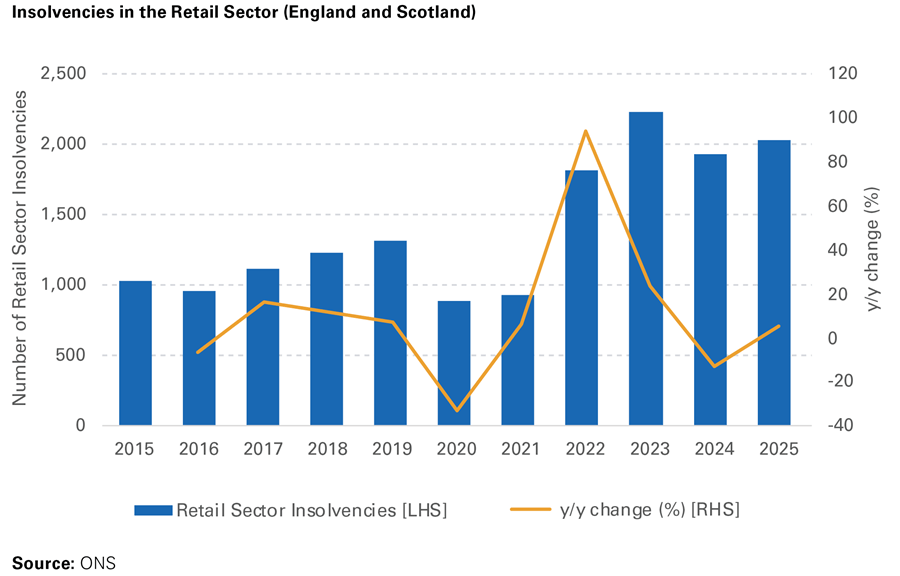
Retail used to be a major entry point for young workers and part‑time staff. But job cuts and hour reductions are making those roles scarcer. With youth unemployment rates also rising sharply, the sector’s contraction has broader social implications.
Are Hours Being Cut for Current Employees?
Yes. More than half of UK retailers say they are planning to reduce hours or cut overtime. This affects not just full‑time staff but also part‑time workers who often rely on additional hours to make ends meet. Many bosses see cost control as essential just to stay afloat.
What Does This Mean for Jobseekers and Workers?
Is the Job Market Getting Harder?
The broader labour market is definitely cooling. With rising unemployment, declining vacancies, and slowing wage growth, finding a new position is becoming tougher, particularly in sectors like retail that typically absorb young and part‑time workers.
Youth unemployment, especially among 18‑ to 24‑year‑olds, is significantly higher than the overall rate, raising concerns about the prospects of younger workers.
How Might Workers Adapt?
In a tighter labour market, workers may need to:
- Upskill to move into sectors less affected by cost pressures.
- Focus on higher‑demand skills, such as digital literacy or technical trades.
- Consider career switches where growth remains stronger, including healthcare, technology, or logistics.
Some analysis, including projections from AI‑driven labour market tools, suggests that automation and specialised skills will shape opportunities in the years ahead.
What Is the Wider Economic Impact?
Could UK Interest Rates Fall?
With labour markets weakening and inflation moderating, economists and investors increasingly expect the Bank of England to cut interest rates in early 2026. Lower rates could support economic activity and ease the cost of borrowing for households and firms.
However, policymakers face a balancing act: rate cuts must not destabilise inflation expectations while trying to soften job losses.
How are Businesses Responding?
Many firms outside retail also report caution. Surveys from business groups show fewer companies plan to expand their workforce in the near term. Rising costs and economic uncertainty are making firms more hesitant to hire.
What Could Change in the UK Employment Market in 2026?
Are Policy Shifts Possible?
Politicians and business groups are debating the impact of policies like the Employment Rights Act and minimum wage changes. Some argue that slowing planned wage increases for younger workers could ease hiring pressures. Others fear this would undermine wage fairness. How these debates translate into action will affect how the employment market evolves in the next year.
Conclusion: A Challenging 2026 for UK Jobs
The UK employment outlook in early 2026 shows clear signs of weakening. Rising costs, job losses, and hour cuts in retail are directly affecting workers and shaping the wider labour market. With unemployment rising and vacancies falling, job seekers face greater competition.
At the same time, businesses are retooling operations to survive. Whether policy changes or broader economic shifts can stabilise the situation remains an open question, but 2026 is shaping up to be a defining year for the UK jobs landscape.
Advertisement
Frequently Asked Questions (FAQs)
UK retailers are cutting jobs and hours in 2026 because labour costs have grown a lot. Costs rose by around £5 billion from higher wages and taxes. Many firms now reduce hours or staff to save money. Retail job numbers also fell by 74,000 in the past year.
As of February 2026, the UK unemployment rate is about 5.2%, the highest in nearly five years. Payrolled employment has also fallen while vacancies decline, showing the jobs market is weakening.
Retail cuts hit young workers hardest. Youth unemployment for those aged 16–24 has reached around 16.1%, one of the highest in over a decade. This makes it harder for young people to find jobs or hours.
Disclaimer:
The content shared by Meyka AI PTY LTD is solely for research and informational purposes. Meyka is not a financial advisory service, and the information provided should not be considered investment or trading advice.
Advertisement
What brings you to Meyka?
Pick what interests you most and we will get you started.
I'm here to read news
Find more articles like this one
I'm here to research stocks
Ask our AI about any stock
I'm here to track my Portfolio
Get daily updates and alerts (coming March 2026)