











U.S. Stocks Tumble: Dow, S&P 500 & Nasdaq Futures Slide on Iran Escalation Fears
U.S. stock market opened the week under pressure as fresh geopolitical fears rattled investors. On March 2, 2026, futures tied to the Dow Jones Industrial Average, S&P 500, and Nasdaq 100 all slid sharply, reflecting rising anxiety over escalating conflict involving the U.S., Israel, and Iran.
Markets reacted quickly to news of intensified military action and the risk of broader regional instability, pushing traders toward safer assets like gold and the U.S. dollar. Oil prices climbed as much as 8-9%, adding to inflation concerns and fueling risk‑off sentiment across Wall Street. With equity futures deep in the red and volatility spiking, traders are bracing for an uncertain trading week ahead.
What Happened to U.S. Stock Futures?
On March 2, 2026, U.S. stock index futures slid sharply as global markets reacted to escalating tensions in the Middle East. Wall Street’s key futures, Dow Jones Industrial Average, S&P 500, and Nasdaq 100, all fell notably ahead of the opening bell, signaling a risk‑off mood among investors. The sell‑off was triggered by intensified conflict between the United States, Israel, and Iran, following coordinated airstrikes and military action that killed Iran’s Supreme Leader and sparked retaliatory strikes from Tehran.
By early trading on March 2:
- Dow futures plunged around 1.5%, shedding hundreds of points.
- S&P 500 futures fell between 1.1% and 1.7% at various points.
- Nasdaq 100 futures slid about 1.9%, the steepest drop among major U.S. futures.
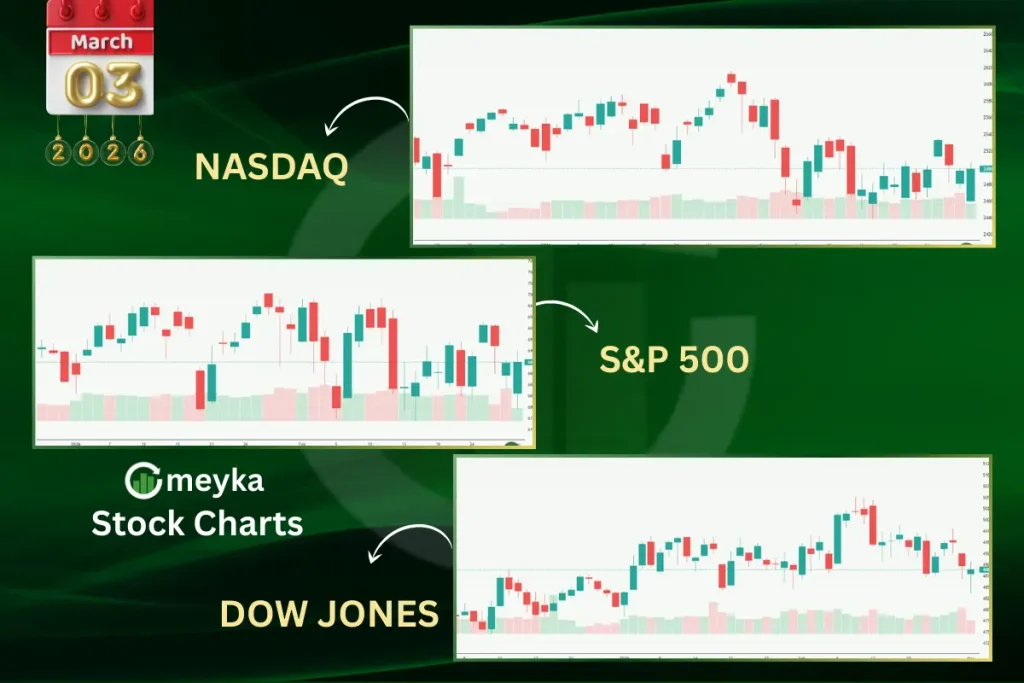
Investors pulled money out of risk assets like equities and rotated into traditional safe havens. Oil prices surged sharply, with Brent crude nearing $80 per barrel, driven by concerns that conflict could disrupt supply routes, especially through the Strait of Hormuz, a vital energy transport corridor. Gold and government bonds also rallied as traders sought defensive positioning.
The sharp moves reflect how geopolitical shocks can quickly reshape market sentiment. Higher energy costs raise inflation concerns and complicate expectations around monetary policy. Many traders are now watching key U.S. economic data releases and Federal Reserve commentary for clues on how markets might stabilize.
Why are U.S. Markets Falling?
Why did Wall Street react so strongly?
Markets react negatively when investors fear higher uncertainty and economic disruption. The recent military actions and retaliations in the Middle East triggered a flight to safety as traders reassessed risks in global equities.
Several factors explain the sell‑off:
- Geopolitical risk premium: When conflicts expand, investors worry about slowing economic growth. Markets dislike uncertainty.
- Energy price shock: Oil prices spiked due to concerns about future supply disruptions. Higher energy costs hit consumer spending and corporate margins.
- Inflation concerns: Rising oil prices can push inflation higher, which may delay or alter expectations for future interest rate cuts by the Federal Reserve.
- Safe haven appeal: Assets like gold, the U.S. dollar, and some government bonds gain as equities fall.
What key data shows the impact?
According to recent market data:
- Brent crude approached $79-$80 per barrel, its highest level in months.
- S&P 500 futures slid 1.1%-1.7%, while Nasdaq 100 fell nearly 2%.
- Dow futures ranged down about 1.5% in early trade.
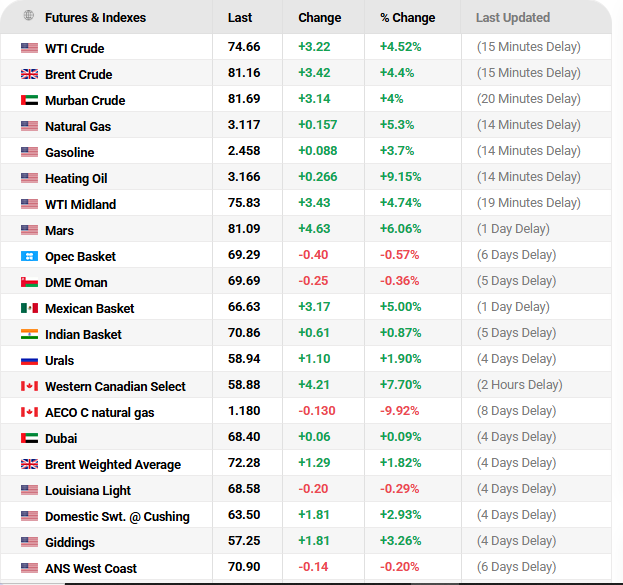
Geopolitical uncertainty usually heightens volatility indices, drives defensive positioning, and can prompt traders to use AI stock analysis tools to detect rapid shifts in sentiment and risk levels across sectors.
Are traditional safe havens benefiting?
Yes. Gold prices rose as investors sought stability. U.S. Treasury bonds also saw demand as yields fluctuated amid market stress. This shift highlights how conflict can reshape asset allocation almost overnight.
What U.S. Market Sectors are Most Affected?
Which industries are losing the most?
Risk‑sensitive sectors such as technology, travel, and consumer discretionary have taken the brunt of selling pressure. Investors are reducing exposure to stocks that typically depend on stable growth and economic confidence.
Technology and growth stocks: Growth‑oriented equities, especially tech, fell more sharply due to higher risk aversion. These stocks tend to be more sensitive to changes in interest rate expectations and investor sentiment.
Travel and leisure: Airline and hospitality shares slumped as rising energy costs and regional instability reduce travel demand and increase operation costs.
Small‑cap and cyclical areas: Smaller companies often cant absorb sudden cost increases as easily, which results in added selling pressure in broader markets.
Which sectors are gaining ground?
Not all areas are weak. Some parts of the market are outperforming:
- Energy sector: With oil prices rising, energy producers see higher profit expectations. This has attracted capital back into energy stocks.
- Defense and aerospace: Stocks tied to national defense have recently drawn interest as military spending projections rise with sustained geopolitical conflict.
- Safe havens: Gold and U.S. government bonds benefit from volatility and flight‑to‑quality flows.
Investors often shift allocation to these sectors during periods of heightened geopolitical risk, since they historically perform relatively better in uncertain times.
U.S. Stock Market Today: What It Means for Investors Now?
The market turmoil in early March 2026 shows how geopolitics can quickly change market dynamics. When geopolitical risk rises:
- Markets become more volatile.
- Safe‑haven assets tend to outperform.
- Risk‑oriented sectors underperform sharply.
- Central bank policy expectations may shift if inflation data changes.
Traders are watching upcoming U.S. inflation reports, retail sales, and employment data closely. These fundamental indicators could influence whether the Fed maintains current policy or delays rate cuts in response to inflation pressure from higher energy costs.
Investors should stay disciplined and consider long‑term trends. Short‑term volatility often creates opportunities for rebalancing portfolios. Defensive allocations may provide stability, while selective exposure to sectors benefiting from elevated inflation (like energy) may help cushion downside risk.
Market sentiment remains fluid. Changes in geopolitical developments can quickly shift risk appetite, so staying informed and adjusting strategy as conditions evolve is crucial.
What are Analysts Saying About the U.S. Stock Market Drop?
Experts point to rising geopolitical tensions as the key driver behind this market move. Many analysts note that:
- Oil price shocks feed inflation fears that could delay rate cuts.
- Equity markets dislike uncertainty, especially when conflict threatens global supply chains.
- Safe havens like gold and bonds tend to benefit in such environments.
Some analysts believe that defense and energy stocks could outperform broader markets if the conflict continues. Others caution that prolonged volatility may hurt economic growth prospects and corporate earnings forecasts.
Investors are also watching technical support levels in major indices. If key supports break, it could signal deeper corrections before recovery. However, if leaders manage to stabilize energy prices and geopolitical risks ease, markets could rebound quickly.
Overall, sentiment remains cautious. Traders are balancing risk and reward with tight stop‑loss strategies and monitoring global developments as the biggest catalyst for further market movement.
Final Words
The U.S. stock market faces heightened volatility as geopolitical tensions with Iran drive sharp declines in Dow, S&P 500, and Nasdaq futures. Investors are rotating toward safe havens like gold, bonds, and energy stocks, while closely monitoring inflation, oil prices, and upcoming economic data. Staying informed and disciplined remains key as markets react to evolving risks.
Frequently Asked Questions (FAQs)
U.S. stock futures fell on March 2, 2026, after rising tension with Iran. Investors worry about instability, higher oil prices, possible economic disruption. Safe-haven buying pushed equities down.
Higher oil prices increase costs for businesses and consumers. On March 2, 2026, oil near $80 per barrel fueled inflation fears, causing Dow, S&P 500, and Nasdaq futures to drop.
On March 2, 2026, tech and travel sectors suffered due to risk aversion. Energy, defense, and gold gained as investors moved to safer or inflation-protected assets.
Disclaimer:
The content shared by Meyka AI PTY LTD is solely for research and informational purposes. Meyka is not a financial advisory service, and the information provided should not be considered investment or trading advice.
What brings you to Meyka?
Pick what interests you most and we will get you started.
I'm here to read news
Find more articles like this one
I'm here to research stocks
Ask our AI about any stock
I'm here to track my Portfolio
Get daily updates and alerts (coming March 2026)