Tensions in the Middle East have reached a new peak in March 2026 as world leaders watch closely. The Strait of Hormuz, a narrow waterway that carries around one‑fifth of the world’s oil, has become a flashpoint in the widening conflict involving the United States and Iran.
On March 15-16, U.S. President Donald Trump publicly urged allies to help secure this vital shipping route by sending warships to protect tankers and cargo vessels. So far, responses from major powers have been cautious or non‑committal.
Advertisement
With global energy prices under pressure and no clear end to hostilities in sight, the world is left wondering how this standoff might reshape security and oil markets in 2026.
Why Is the World Watching the Strait of Hormuz and Trump’s Call for Support?
As of March 2026, tensions in the Middle East have reached a critical point due to the ongoing conflict involving the United States, Israel, and Iran. One of the biggest flashpoints is the Strait of Hormuz, a narrow waterway that carries nearly 20 percent of the world’s oil exports. Disruptions here can instantly affect global energy markets and economies worldwide.
In mid‑March, President Donald Trump urged about seven countries that rely heavily on Gulf oil to send warships and naval assets to help secure the strait. He emphasized that nations like China, France, Japan, South Korea, and the United Kingdom have a shared interest in keeping shipping lanes open.
However, many nations have responded with caution or refusal. Japan, Australia, and the UK have stated they will not send warships, citing legal, strategic, or political constraints. Some allies are only willing to consider limited support, such as aerial mine‑clearing or non‑combat roles.
Iran has remained defiant. Its officials claim the strait is open for most countries but may block vessels tied to the United States or Israel. This ambiguous stance adds further uncertainty to efforts to restore safe passage.
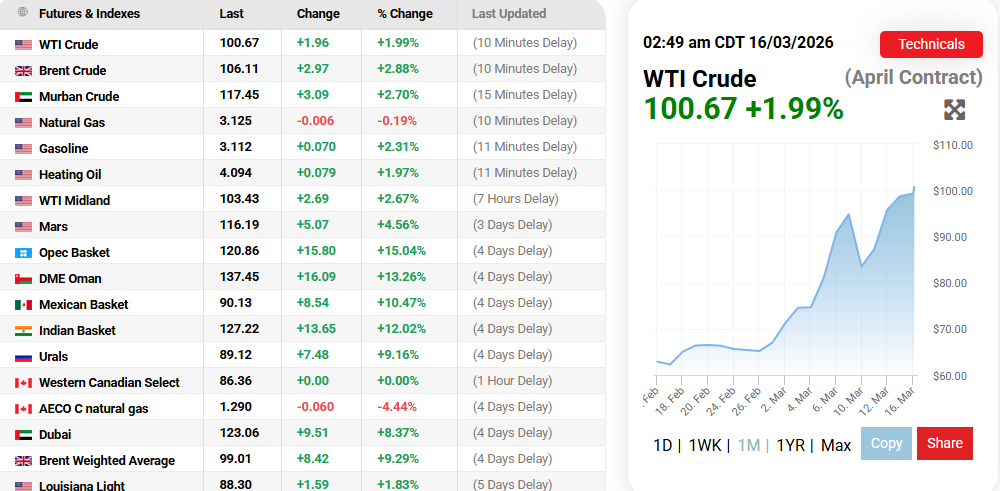
Meanwhile, global oil prices have seen volatility. Markets reacted to news of military activity and the strain on tanker traffic, showing how deeply energy security is linked to the situation in Hormuz.
Overall, the success of Trump’s appeal for a multinational naval coalition remains unclear. Allies are hesitant, Iran remains unyielding, and the region continues to face high risk and instability.
Why Is the Strait of Hormuz So Strategic?
The Strait of Hormuz sits between the Persian Gulf and the Gulf of Oman. Its narrow waters serve as the main sea passage for oil shipments from the Gulf states to the rest of the world. An estimated 20 percent of global crude oil and liquefied natural gas flows through this chokepoint.
Because so many energy trade moves here, any threat to free passage can trigger oil price spikes and market instability. This makes the Strait a focal point in the larger geopolitical and economic fallout from the U.S.-Iran conflict.
What Exactly Is Trump Asking Allies to Do?
President Trump has made public calls for a coalition of about seven countries to send warships and naval support to help secure the Strait of Hormuz. He argues that countries dependent on Gulf oil should share responsibility for protecting shipping lanes.
Trump emphasized that nations most affected by oil market disruptions have a direct stake in securing the strait. He also suggested that diplomatic and economic cooperation with countries that refuse to help could be affected.
At the same time, Trump has indicated that a planned summit with China’s president might be postponed unless Beijing commits to dealing with the crisis, underscoring how high the geopolitical stakes are.
Are Countries Agreeing to Send Warships?
So far, no formal commitments have been made by major allies to send warships to the Strait of Hormuz. Several governments remain cautious:
- Japan has explicitly said it has no plans to dispatch naval escort missions due to constitutional limits and political constraints.
- Australia and Japan cited logistical and legal hurdles in joining such a mission.
- The UK has stopped short of sending warships but may consider non‑combat roles like aerial mine clearance.
- Other European states, including Germany and France, have expressed caution about deeper involvement.
Publicly, leaders are wary of escalating the conflict further or drawing their militaries into a direct role in a hostile zone. A number are only willing to examine options once hostilities have eased.
How Has Iran Responded?
Iran’s response to these calls for external naval support has been defiant. Iranian officials have said the strait remains open to most countries but may restrict passage to those they view as hostile, particularly the U.S. and Israel.
Iran’s military posture remains strong, and threats to close or disrupt the strait have increased as part of the broader conflict that began in late February 2026. Ongoing drone and missile attacks in the region, including strikes on nearby Oman, highlight how volatile the maritime situation has become.
What Does This Mean for Global Oil Markets?
Global oil markets have been sensitive to developments in the Strait of Hormuz. Prices spiked as hostilities disrupted tanker traffic and raised fears of prolonged closure. Some futures markets have moved cautiously as investors weigh the risks of supply disruptions against diplomatic efforts.
Energy analysts, including those who use AI for stock and commodity forecasts, stress that security dynamics in Hormuz will remain a key driver of price volatility so long as the conflict persists.
Can a Naval Coalition Actually Secure the Strait?
Experts point out several challenges in forming and operating a coalition to secure the waterway:
- The strait’s narrow geography and high risk of mines or small‑boat attacks make patrol and escort operations difficult.
- Coordinating forces from nations with different rules of engagement is complex.
- Many allies have legal or political limits on overseas military deployment.
Past examples of multinational maritime security operations, like EU naval missions in nearby waters, show such efforts can protect shipping, but only with clear mandates and consensus.
Strait of Hormuz Block: What Comes Next?
At this stage, it remains uncertain whether a formal naval coalition will materialize before the conflict ends. Nations are watching the battlefield conditions and diplomatic developments closely. How they respond will affect:
- The future of global energy security
- International partnerships and alliances
- The balance of power in the Middle East
Analysts note that diplomatic engagement and de‑escalation efforts are critical if pressure on shipping lanes and markets is to ease.
Conclusion
The Strait of Hormuz remains a critical chokepoint. Trump’s call for allied support highlights global energy risks and geopolitical tensions. How nations respond will shape oil markets and regional security in 2026.
Advertisement
Frequently Asked Questions (FAQs)
The Strait of Hormuz is a narrow waterway. Around 20% of the world’s oil passes through it.
In March 2026, Trump asked about seven nations, including France, Japan, South Korea, the UK, and China, to help secure shipping.
Iran could limit some ships, risking oil supply. This may cause higher prices and global market uncertainty.
Disclaimer:
The content shared by Meyka AI PTY LTD is solely for research and informational purposes. Meyka is not a financial advisory service, and the information provided should not be considered investment or trading advice.
Advertisement
What brings you to Meyka?
Pick what interests you most and we will get you started.
I'm here to read news
Find more articles like this one
I'm here to research stocks
Ask our AI about any stock
I'm here to track my Portfolio
Get daily updates and alerts (coming March 2026)