Stock market today: Dow, S&P 500, Nasdaq futures fall as Trump signals Iran war not over
U.S. stock futures slipped on April 2, 2026, as fresh geopolitical tension shook investor confidence. Dow futures fell nearly 1%, while S&P 500 and Nasdaq futures also moved lower in early trading. The stock market decline followed strong remarks from Donald Trump, who signaled that the Iran conflict is not over yet. Just a day earlier, markets had rallied on hopes of de-escalation.
This sudden shift highlights how quickly sentiment can change. Rising oil prices and war fears are now driving market moves more than economic data. For investors, the key question is clear: is this a short-term dip or the start of deeper volatility?
Advertisement
Why Stock Futures are Falling Today?
Trump’s War Statement Reverses Market Optimism
Fresh comments from Donald Trump triggered a sharp shift in market sentiment on April 2, 2026. Investors had expected signs of de-escalation in the Iran conflict. Instead, Trump warned that military action could continue for weeks.
- Dow futures dropped nearly 1%
- S&P 500 futures fell around 1.1%
- Nasdaq futures declined about 1.3%
This reaction shows one key trend. Markets fear uncertainty more than conflict itself. Clear timelines calm investors. Unclear war signals increase panic selling.
From Ceasefire Hopes to Escalation Fears
Just one day earlier, markets moved higher. Investors believed the war might end soon. The S&P 500 rose 0.72%, and the Nasdaq gained over 1% on April 1, 2026. Now the narrative has flipped again.
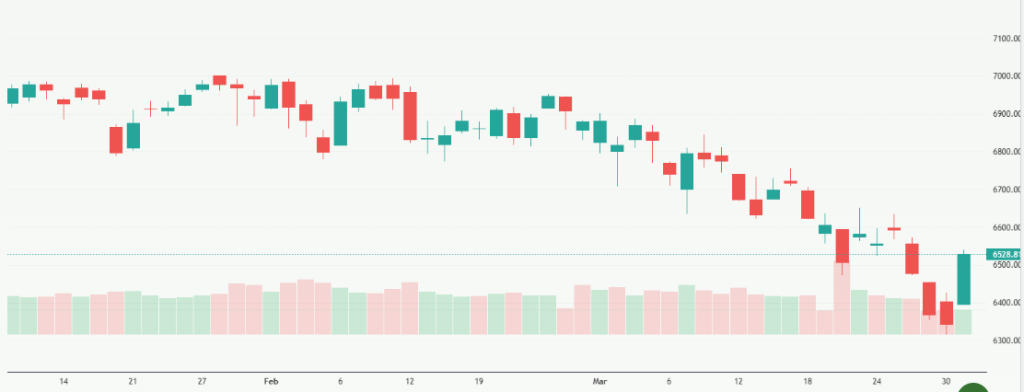
- No clear ceasefire timeline
- Continued military threats
- Risk of prolonged disruption
This fast-changing outlook is driving volatility. Traders are reacting to headlines, not fundamentals.
Oil Prices Surge Again – The Real Market Driver
How Is Oil Driving Market Volatility Right Now?
Oil prices jumped sharply after Trump’s latest remarks. Brent crude crossed $106–$107 per barrel on April 2, 2026. Key reasons:
- Fear of supply disruption
- Tensions around the Strait of Hormuz
- Rising geopolitical risk premium
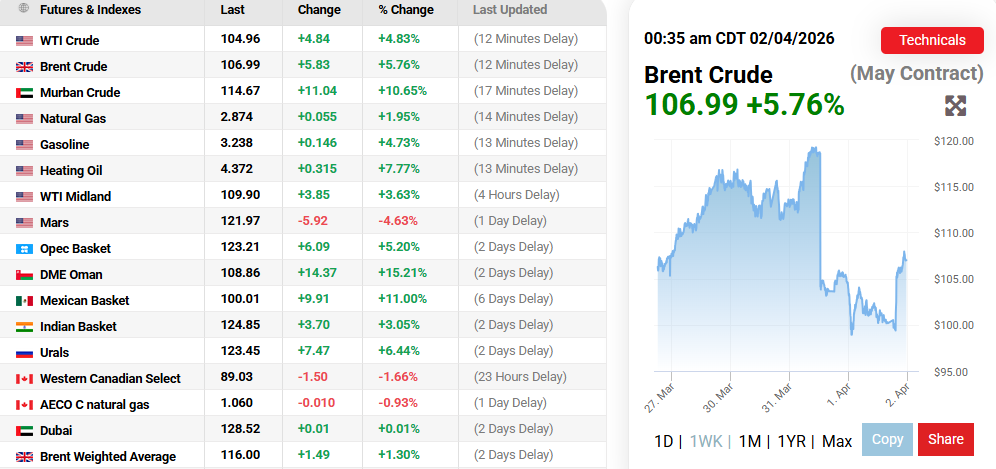
Higher oil prices increase inflation pressure. This reduces the chances of interest rate cuts. That directly hurts stock valuations, especially growth stocks.
Why Energy Shock Matters for Stocks?
The energy shock is now central to market movement.
- Oil surged more than 5% in a single session
- Global supply concerns are rising
- Europe may face shortages starting in April 2026
This creates a stagflation risk. That means slow growth with high inflation. Historically, this environment is negative for equities.
How Dow, S&P 500, and Nasdaq are Reacting?
What Do Futures Signals Tell Investors?
Futures markets show expected opening direction. On April 2:
- Dow futures fell over 400 points
- S&P 500 futures dropped about 1%
- Nasdaq futures led losses
This suggests a weak opening on Wall Street. Futures react faster than spot markets. They reflect overnight global sentiment shifts.
Is Market Volatility Increasing in 2026?
Yes. Volatility has increased sharply in recent weeks.
- Markets swing between gains and losses daily
- War headlines are driving price action
- Short-term rallies lack strong fundamentals
This pattern signals a fragile market. Investors are trading news, not long-term growth expectations.
Global Markets Also Under Pressure
How are Asian Markets Reacting?
Asian markets turned negative after the U.S. announcement.
- Japan’s Nikkei dropped around 1.8%
- South Korea’s Kospi fell by over 3.5%
Investors are shifting toward safe assets like the U.S. dollar. This reflects global risk-off sentiment.
What About Emerging Markets Like India?
Emerging markets are seeing sharper declines.
- Nifty50 fell about 2%
- Sensex dropped over 1,300 points on April 2, 2026
These markets depend heavily on stable capital flows. Rising oil prices and global tension reduce investor confidence.
Key Sectors Impacted by Iran War Tensions
Which Sectors are Gaining?
Energy stocks are benefiting.
- Oil companies gain from higher crude prices
- Profit margins improve during supply shocks
This sector often acts as a hedge during geopolitical crises.
Which Sectors are Under Pressure?
Technology and growth stocks are falling.
- Nasdaq is more sensitive to interest rate changes
- Higher inflation reduces future earnings value
Airlines and logistics are also under pressure due to rising fuel costs.
Investor Sentiment – Fear, Volatility, and Opportunity
Are Investors Turning Defensive?
Yes. Investors are moving toward safer assets.
- Buying a U.S. dollar
- Reducing equity exposure
- Avoiding high-risk sectors
This shift shows rising fear levels in the market.
Is This a “Buy the Dip” Moment?
There is a divide among analysts.
- Some see correction as an opportunity
- Others warn of deeper downside
Using an AI stock analysis tool like Meyka can help investors track sentiment, technical trends, and risk levels more accurately during such volatile periods.
Stock Market Today: What Investors Should Watch Next?
Key triggers to monitor:
- Further statements from Donald Trump
- Oil price movement above $100
- Developments in the Strait of Hormuz
- Federal Reserve stance on interest rates
- Corporate earnings resilience in Q2 2026
Markets will likely remain volatile until there is clarity on the conflict.
Stock Market Outlook & Technical View
Short-Term Forecast – April 2026
- Bias: Bearish to volatile
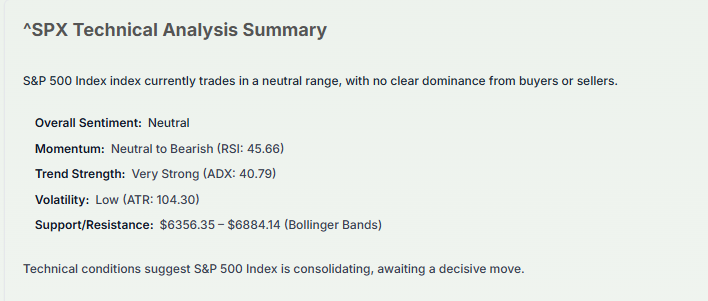
- Support levels: S&P 500 near 6,400
- Resistance: Around 6,600
Technical Analysis Summary
- Momentum indicators show weakness
- Volatility remains elevated
- The trend is sideways to bearish
What Meyka Says?
According to Meyka:
- Sentiment score: Negative
- Risk level: High
- Suggested approach: Cautious accumulation, not aggressive buying
Other Analyst Insights
- Analysts warn of stagflation risk
- Oil-driven inflation is a key concern
- Geopolitical uncertainty may delay recovery
Final Words
Global markets are reacting sharply to renewed Iran war tensions and rising oil prices. Short-term direction remains uncertain as geopolitical risks dominate investor sentiment. While some see buying opportunities, volatility is likely to continue. Investors should stay cautious, track oil trends, and avoid emotional decisions driven by daily headlines.
Advertisement
Frequently Asked Questions (FAQs)
The stock market is falling on April 2, 2026, due to rising Iran war tensions, higher oil prices, and growing investor uncertainty.
The Iran war increases oil prices and inflation risks, which hurt investor confidence and cause volatility in U.S. stock markets in 2026.
Investors should stay cautious during April 2026 volatility, monitor global developments, and avoid quick decisions without proper research and risk assessment.
Disclaimer:
The content shared by Meyka AI PTY LTD is solely for research and informational purposes. Meyka is not a financial advisory service, and the information provided should not be considered investment or trading advice.
Advertisement
What brings you to Meyka?
Pick what interests you most and we will get you started.
I'm here to read news
Find more articles like this one
I'm here to research stocks
Ask our AI about any stock
I'm here to track my Portfolio
Get daily updates and alerts (coming March 2026)