











On March 3-4, 2026, South Korean stocks faced one of their sharpest declines in years. The benchmark KOSPI index sank as much as 12% during an extended selloff, shaking investor confidence across South Korea. Heavyweight tech giants like Samsung Electronics and SK Hynix dropped sharply, dragging the broader market lower.
The sudden fall followed rising geopolitical tensions and a spike in global oil prices, which pushed investors toward safer assets. Foreign investors pulled out large sums, adding pressure to an already fragile market. This sharp correction has raised fresh questions about volatility, global risk exposure, and what comes next for one of Asia’s most closely watched stock markets.
Latest Market Impact: What Happened to South Korean Stocks?
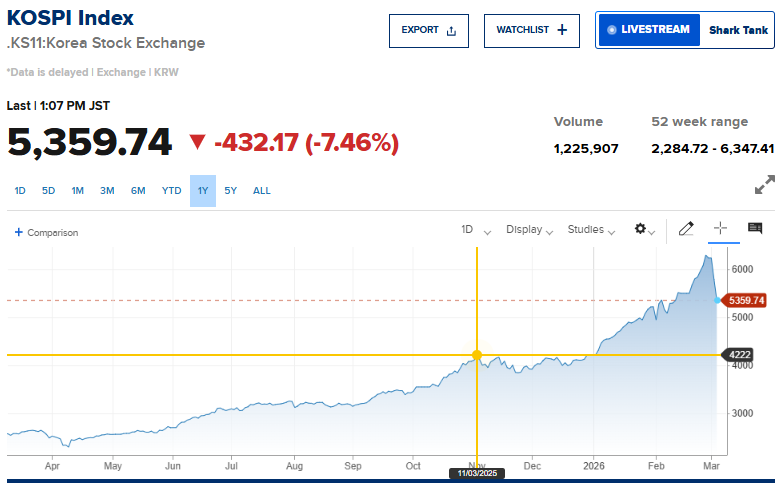
South Korean stocks suffered one of their worst selloffs in recent years as heightened geopolitical risk and rising energy prices rattled global markets in early March 2026. On March 3, the KOSPI index plunged more than 7%, closing at 5,791.91 points, its steepest one-day drop in over 18 months. This sharp fall erased massive market gains and triggered trading curbs like circuit breakers and sidecar halts. Major tech leaders like Samsung Electronics and SK Hynix also tumbled sharply, highlighting broader market stress.
Why Did the KOSPI Fall So Sharply?
Geopolitical tensions in the Middle East were a key catalyst. Fears of a widening conflict, particularly involving the U.S., Israel, and Iran, sparked global risk aversion. This pushed energy prices higher and drove investors out of risk assets like equities. In South Korea, a heavy reliance on imported energy magnified the impact, as rising oil costs could hit growth and inflation.
Foreign investors led the selloff, extending massive net selling streaks that intensified pressure on the market. Meanwhile, domestic retail investors offered some support but could not offset the overall decline.
Sector Breakdown: Who Fell and Who Flew?
The selloff hit major sectors unevenly:
- Technology & Semiconductors:
- Samsung Electronics dropped 9.88%, falling below key psychological price levels.
- SK Hynix slid 11.5%, dipping below significant price thresholds.
- These stocks accounted for large portions of the index’s value, so their losses deeply impacted the overall market.
- Automobiles & Industrials:
- Hyundai Motor dropped 11.72%, reflecting broad risk-off sentiment.
- Defense & Energy:
- Some defense and energy names bucked the trend, as markets priced in higher demand amid geopolitical risk.
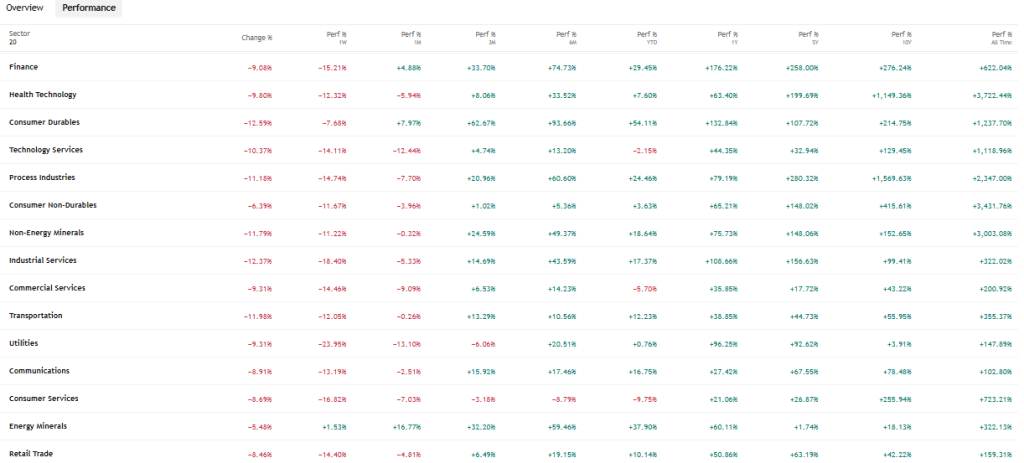
Overall, about 90% of KOSPI-listed stocks fell during the downturn.
What Does Meyka Say About the Korean Market?
According to Meyka’s analysis, the Korean stock rally had shown signs of stalling before the sharp drop. The platform noted that the risk-off environment, driven by macro and geopolitical stress, was pressuring markets that had previously enjoyed strong gains in early 2026.
Meyka highlighted that increased hedging costs and futures volatility signals suggested rising caution among investors leading into March.
What Technical Signals are Relevant?
Technical trends indicated rising volatility and weakening breadth before the crash. Tools like AI-powered stock analysis noted expanding sell signals in key Korean equities, as major support levels in indices and chip stocks were breached. This kind of technical breakdown often signals increased downside risk in the near term.
How are Global Markets Reacting?
The selloff in Korea did not occur in isolation:
- Asian equity markets broadly weakened as investors pulled back from risk assets amid Middle East tensions.
- The FTSE 100 and Nikkei also experienced notable declines.
- U.S. stock futures were softer, with major indices like the S&P 500 and Nasdaq retreating amid global risk aversion.
These moves reflect a wider investor shift toward safer assets like gold and treasuries as geopolitical fears rise.
How High Did Oil and Gold Move?
The KOSPI selloff coincided with sharp moves in commodities:
- Oil prices surged amid fears about Middle East supply disruptions, adding inflationary pressure and weighing on growth expectations.
- Gold rallied as investors sought safe havens, with gold prices jumping significantly in the same sessions that equities fell.
What are Analysts Saying About What Comes Next?
Market strategists have mixed views:
- Some see the selloff as a correction in an overheated market, not a structural collapse. They suggest that strong earnings potential in semiconductors and other sectors could support a rebound if geopolitical tensions ease.
- Others warn that prolonged market risk and oil price volatility could create a tougher environment for stocks in the near term.
Analysts also stress the importance of watching foreign investor behavior. Persistent selling by global funds could prolong weakness, while renewed buying might stabilize markets.
What Does This Mean for Korean Investors?
For domestic investors, the KOSPI plunge underscores the importance of risk management. Concentrated exposure to mega-cap tech stocks or foreign capital flows can magnify market moves. Diversification and cautious entry levels may help manage future volatility.
In addition, macro trends like currency movement and Korea’s heavy reliance on energy imports remain key factors to monitor for long-term strategy.
Wrap Up
South Korean stocks are facing heavy pressure as global risks rise and oil prices stay volatile. The recent KOSPI plunge shows how fast sentiment can change in fragile markets. Investors should watch geopolitical updates, foreign fund flows, and key support levels closely. Volatility may continue in the short term, but long-term direction will depend on earnings strength and global stability.
Frequently Asked Questions (FAQs)
South Korean stocks fell on March 3-4, 2026, due to rising Middle East tensions and higher oil prices. Foreign investors sold heavily. Tech giants declined sharply, increasing panic and market volatility.
The KOSPI dropped more than 7% on March 3, 2026, during one of its steepest single-day falls in over a year. Intraday losses briefly approached double digits.
Recovery depends on global stability and investor confidence. Analysts say easing geopolitical risks and steady earnings could support a rebound, but short-term volatility may continue in the coming weeks.
Disclaimer:
The content shared by Meyka AI PTY LTD is solely for research and informational purposes. Meyka is not a financial advisory service, and the information provided should not be considered investment or trading advice.
What brings you to Meyka?
Pick what interests you most and we will get you started.
I'm here to read news
Find more articles like this one
I'm here to research stocks
Ask our AI about any stock
I'm here to track my Portfolio
Get daily updates and alerts (coming March 2026)