In November 2025, Singapore announced a major step to reshape global IPO markets. The SGX-Nasdaq dual-listing initiative is set to launch by mid-2026, introducing a new Global Listing Board (GLB). This platform will allow companies to list in both Singapore and the U.S. at the same time using a single process.
Today, global IPO competition is intense, with markets like Hong Kong raising over $30 billion in 2025, while Singapore lags behind. This move aims to close that gap and attract high-growth firms, especially in tech and fintech. But will this bold partnership truly boost liquidity and investor interest? Let’s explore what makes this initiative a potential game-changer.
Advertisement
What is the SGX-Nasdaq Dual-Listing Initiative?
What is the Global Listing Board (GLB)?
The Global Listing Board (GLB) is a new platform created through a partnership between the Singapore Exchange (SGX) and Nasdaq. It allows companies to list their shares on both exchanges at the same time. This is a major shift from traditional dual listings, which usually require separate processes.
The GLB is designed to:
- Connect Asian and U.S. capital markets
- Offer a single listing pathway
- Improve access to global investors
This initiative is one of the first structured efforts to fully integrate two major financial markets.
When will it launch?
The initiative was officially announced in November 2025. It is expected to go live by mid-2026, subject to regulatory approvals and final framework adjustments.
What is the main goal?
The core aim is simple. Make cross-border listings easier and faster. Companies can raise funds globally without dealing with two separate systems. This saves time, cost, and effort.
Key Features of the SGX-Nasdaq Framework
How does the single prospectus system work?
Companies can submit one prospectus that meets both SGX and Nasdaq requirements. This reduces duplication and speeds up approvals.
Key benefits:
- Lower legal and compliance costs
- Faster IPO timelines
- Simplified documentation
Is the regulatory process really streamlined?
Yes, but only to a certain extent. Both exchanges are working to align rules. However, companies still need to meet U.S. securities regulations and Singapore’s listing standards.
This means:
- Less duplication, not zero compliance
- Faster coordination between regulators
- Better clarity for global issuers
Who is eligible for dual listing?
The framework targets large and high-growth firms. Typical requirements include:
- Minimum market cap of around S$2 billion
- Strong financial track record
- Clear growth potential
This makes the platform more attractive for tech, biotech, and fintech companies.
Can retail investors participate?
Yes. One key feature is improved access for retail investors. They can review early-stage prospectuses and participate more actively in IPOs.
Why is Singapore Making This Move?
Is SGX losing ground to other exchanges?
Yes. Singapore has struggled to compete with regional rivals. Recent data shows:
- Hong Kong raised over $36 billion in IPOs in 2025
- SGX raised only about $2-2.5 billion in the same period
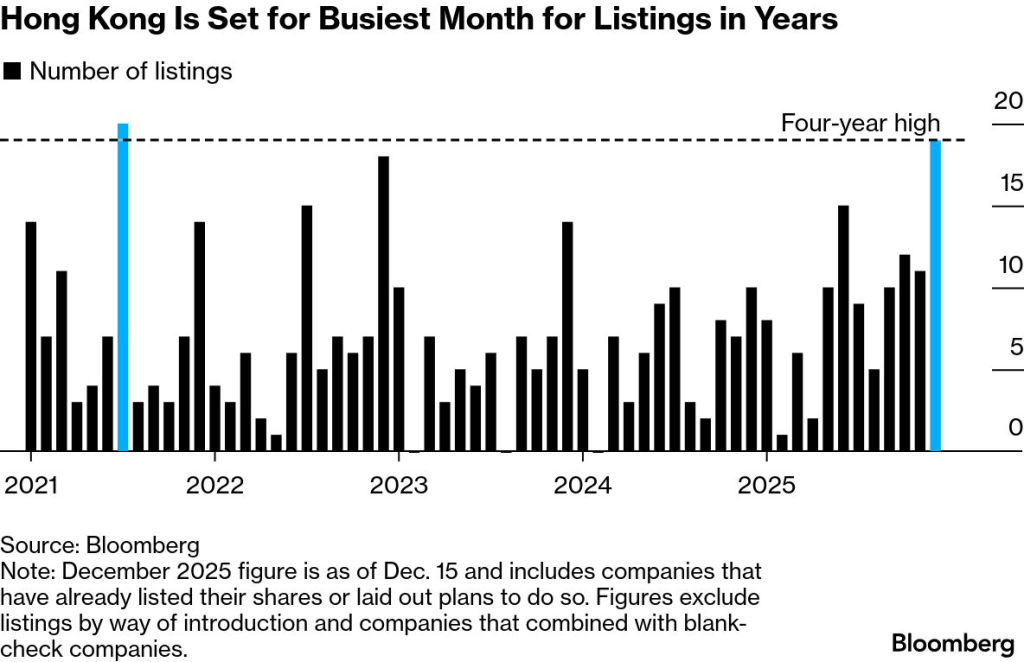
This gap pushed Singapore to rethink its strategy.
How does this initiative improve liquidity?
Liquidity has been a long-term issue for SGX. Fewer large listings mean lower trading volumes.
The dual-listing model aims to:
- Bring in global investors
- Increase daily trading activity
- Improve stock valuations
Singapore also introduced a S$5 billion equity market support program to boost market depth.
Why focus on tech and high-growth firms?
Global capital is shifting toward innovation sectors. Nasdaq already dominates tech listings. By partnering with Nasdaq, SGX can:
- Attract startups and unicorns
- Support AI, fintech, and biotech firms
- Position itself as a growth-market hub
Benefits for Companies and Investors
How do companies benefit from dual listing?
Companies gain access to two major capital markets at once. Key advantages:
- Wider investor base
- Better valuation potential
- Global brand visibility
This is especially useful for firms expanding across Asia and the U.S.
Does it reduce costs?
Yes, significantly. Instead of running two IPO processes, companies can:
- Use one set of documents
- Avoid duplicate legal fees
- Save time on regulatory approvals
What about investors?
Investors also benefit from:
- More investment choices
- Access to global growth companies
- Better liquidity and price discovery
Challenges and Risks to Watch for SGXNasdaq
Is the entry barrier too high?
Yes, for smaller firms. The S$2 billion market cap requirement limits access to large companies only. This means:
- Startups may still prefer single-market IPOs
- Mid-sized firms could be excluded
Are regulatory risks still present?
Absolutely. Even with alignment, companies must follow:
- U.S. securities laws
- Singapore listing rules
This increases legal exposure, especially in the U.S. market.
What about liquidity concerns?
SGX still faces lower liquidity compared to Nasdaq. Even with dual listing, trading activity may remain uneven between the two markets.
Are there market risks?
Yes. Companies listed in two regions face:
- Currency fluctuations
- Different investor sentiments
- Time-zone-driven volatility
Market Impact and Industry Response
How are companies reacting?
Early signals show strong interest, especially from Southeast Asian firms. Many see this as a chance to access the U.S. capital without relocating.
Is the IPO pipeline improving?
Singapore saw modest activity in 2025, with around 9 IPOs raising $1.5-1.6 billion. The new framework could increase this number in 2026 and beyond.
What do analysts say?
Market experts view this as a strategic move. Common insights include:
- It strengthens Singapore’s global position
- It improves cross-border capital flows
- Success depends on liquidity growth
Some analysts also highlight the role of AI-driven insights. Tools like AI stock analysis tool platforms can help investors evaluate dual-listed companies more effectively across markets.
Future Outlook: Will This Redefine Global Listings?
Can this model expand globally?
Yes. If successful, Singapore may partner with other exchanges. This could create a network of cross-border listing platforms.
Will Singapore become a global IPO hub?
That is the goal. The initiative positions Singapore as a bridge between East and West.
What will determine success?
Key factors include:
- Strong IPO participation
- Improved market liquidity
- Clear and stable regulations
If these align, the SGXNasdaq- initiative could reshape how companies raise capital globally.
Final Words
The SGX-Nasdaq dual-listing initiative is a bold step to modernize global IPOs. It offers faster access to capital and wider investor reach. While challenges remain, its success could reshape cross-border listings and strengthen Singapore’s role in global markets.
Disclaimer:
The content shared by Meyka AI PTY LTD is solely for research and informational purposes. Meyka is not a financial advisory service, and the information provided should not be considered investment or trading advice.
Advertisement
What brings you to Meyka?
Pick what interests you most and we will get you started.
I'm here to read news
Find more articles like this one
I'm here to research stocks
Ask Meyka Analyst about any stock
I'm here to track my Portfolio
Get daily updates and alerts (coming March 2026)