











On March 24, 2026, the Indian stock market staged a dramatic recovery as the BSE Sensex shot up by roughly 1,500 points in a single session. Markets bounced back from heavy losses the day before, driven by easing global tensions and relief in key economic signals that lifted investor spirits.
This sharp rise was one of the most eye‑catching moves in recent weeks, drawing attention from traders and long‑term investors alike. With benchmarks like the Sensex and Nifty rallying strongly, questions are now rising about what exactly sparked this rebound, and whether the momentum can last into the coming weeks.
What Happened? Sensex Jumped ~1,500 Points Today
On March 24, 2026, the BSE Sensex surged sharply after a brutal sell‑off the previous session. The index rose roughly 1,500 points, while the Nifty 50 climbed above significant psychological levels. This rally was one of the strongest short‑term rebounds seen in the past month, reversing part of the heavy losses from rising geopolitical tensions and oil shock earlier in March. Strong buying was seen across sectors, and sentiment improved as global markets also rallied on easing conflict fears.
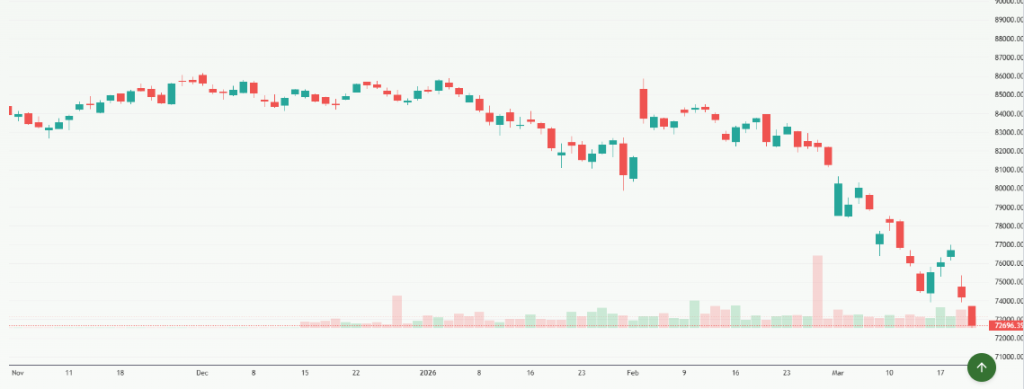
Macro Drivers Behind the Sensex Rally
Why Did Global Cues Boost the Indian Markets?
A key trigger for the Sensex rally was positive global market sentiment. Asian stocks climbed, and U.S. markets closed higher, lifting risk appetite among global investors. The rally followed a postponement of planned U.S. strikes on Iran’s power grid, which eased fears of a sharp escalation in Middle East tensions. This reset investor sentiment, which had been subdued due to geopolitical uncertainty, and helped lift stocks across major markets.
How Did Geopolitical Tension Impact Markets?
Before the rally, markets were under pressure due to concerns over a potential escalation in the Middle East conflict. High crude oil prices and fear of disruption to key energy supply routes weighed on investor confidence. When news broke that the U.S. paused military action, crude prices edged lower, reducing inflation risk and improving the outlook for corporate profits. This relief was reflected in the sharp recovery seen on Dalal Street.
Domestic Market Sentiment: What Changed?
Did Domestic Investors Jump Back In?
Yes. After heavy selling by foreign institutional investors (FIIs) earlier in the week, domestic institutions and retail buyers saw a value opportunity at lower price levels. The broad participation in the rally indicates that domestic buyers helped sustain the upward move, especially in financials, autos, and large‑cap stocks.
What Role Did Sector Trends Play?
While the overall market rallied, not all sectors performed equally. Financials, private banks, and consumer‑linked sectors led the gains. Solid participation in these areas helped push the Sensex higher and created a base for broader market strength.
How Broad Was the Sensex Rally?
Did All Sectors Rise?
The recovery was broad‑based, with gains reported across all 16 major Indian market sectors. Small‑cap and mid‑cap indices also showed positive movement alongside the large caps. This breadth suggests that the rally was not limited to a few stocks but reflected a wider shift in sentiment.
Were Large Caps Driving the Move?
Leading large‑cap stocks like banks and select industrial names drove most of the surge. These companies often act as sentiment leaders, so their strength helped lift the entire market.
Was This Sensex Rally a Bounce or a Trend Shift?
Why Some Traders See This as a Bounce?
Many analysts see the surge as part of a short‑term rebound rather than a long‑term trend reversal. The sharp rally came after deep losses, meaning some of the move is likely due to technical short covering and bargain buying. Short covering happens when traders who had bet against stocks rush to exit positions, adding to upside momentum.
What Risks Still Remain?
Even after the rally, risks remain from unresolved geopolitical uncertainty and volatile oil prices. If conflict fears resurface, markets may quickly reverse. Traders and investors must watch global cues, crude oil trends, and macro data closely. AI stock analysis tools and other analytics can help interpret technical signals, but fundamentals still matter most.
What Analysts are Saying on Recent Sensex Rally?
Analysts note that while the rally was strong, it is partly a relief bounce. Most see that markets still face headwinds from global conditions. Some believe that if oil prices remain stable and inflation pressures recede, the recovery could extend into the short term. Others caution that profit booking could emerge soon after rapid gains.
Sensex Today: What does this mean for Investors?
Investors should treat the surge as a potential opportunity to rebalance portfolios but remain cautious about new positions at high levels. The sudden rally shows that sentiment can shift quickly, but underlying risks like oil price volatility and global political events continue to influence market direction.
Supporting Data Highlights
- Sensex and Nifty saw broad gains as U.S. markets and Asian stocks moved higher.
- Crude oil prices stabilized around $104 per barrel during the rally.
- Gains were recorded across large caps, midcaps, and small caps.
Final Words
The Sensex’s sharp rise on March 24, 2026, was driven by easing geopolitical fears, strong global market cues, and renewed buying on Dalal Street. While the rebound reflects rising confidence, traders should balance optimism with caution, as markets remain sensitive to global developments and oil price swings. Monitoring key data and market trends will be crucial in the sessions ahead.
Frequently Asked Questions (FAQs)
The Sensex rose 1,500 points on March 24, 2026, due to easing global tensions and strong domestic investor buying.
The rally is driven by positive global cues, lower oil prices, strong bank stocks, and renewed investor confidence on March 24, 2026.
Analysts see the sharp March 24, 2026, rally as mostly a short-term bounce, but some recovery could continue if conditions improve.
Disclaimer:
The content shared by Meyka AI PTY LTD is solely for research and informational purposes. Meyka is not a financial advisory service, and the information provided should not be considered investment or trading advice.
What brings you to Meyka?
Pick what interests you most and we will get you started.
I'm here to read news
Find more articles like this one
I'm here to research stocks
Ask our AI about any stock
I'm here to track my Portfolio
Get daily updates and alerts (coming March 2026)