











On March 10, 2026, the Indian stock market opened with a strong rally. The BSE Sensex rose sharply as investors cheered signals from US President Donald Trump about easing tensions in West Asia. Crude oil prices fell, easing worries about rising costs. Asian markets also turned positive, boosting confidence among traders in Mumbai.
Early trade showed the Sensex and Nifty 50 gaining momentum, suggesting renewed optimism after days of volatility. This sudden lift has grabbed attention, as investors watch closely whether geopolitical relief and falling oil prices can sustain a broader market recovery.
Key Indian Stock Market Movements Today
On March 10, 2026, Indian equity benchmarks delivered a sharp rebound. The BSE Sensex opened higher by more than 800 points, and the Nifty 50 jumped above the 24,200 mark in early trade. Markets responded positively to easing geopolitical stress and retreating crude oil prices. Both indices added significant value to total market capitalisation, reversing heavy losses from the prior week. Global cues also supported the uptick, with gains in major international indices strengthening investor confidence on Dalal Street.
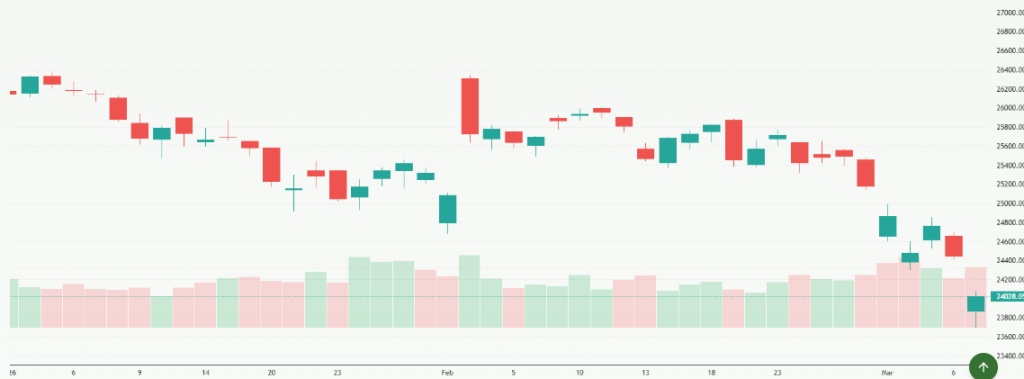
Domestic indices had suffered heavy selling pressure earlier due to escalating conflict in West Asia. On March 9, crude oil prices surged above $115 per barrel, forcing sharp declines; the Sensex plunged over 2,400 points, and Nifty dipped below 23,700 before regaining some ground.
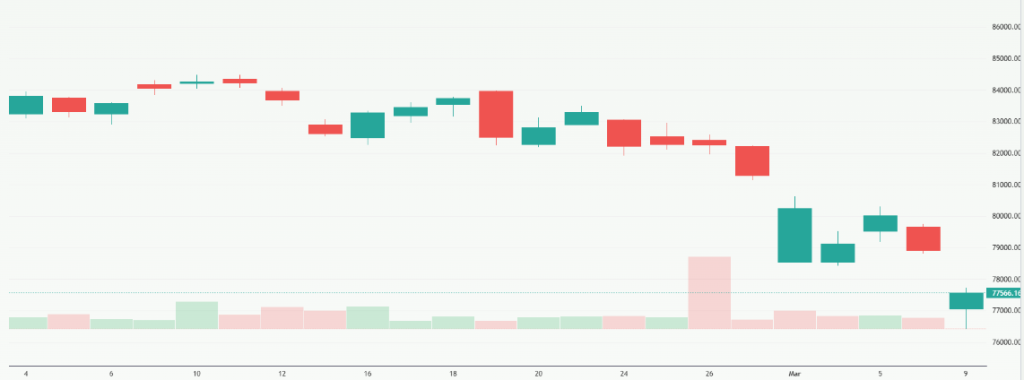
Although the rebound shows renewed risk appetite, markets remain sensitive to geopolitical developments and energy price volatility.
Sensex Today: What Triggered the Rally?
Why Did Global Markets Turn Positive?
Global markets stabilised after US President Donald Trump signalled that the ongoing Middle East conflict could de‑escalate soon. This eased investor fears over prolonged energy supply disruption and rising inflation risks. As crude oil fears eased, key Asian equity markets and global futures moved into positive territory, encouraging Indian stocks to rally.
Financial markets react strongly to geopolitical signals because they affect trade, oil flows, and investor risk tolerance. A calmer outlook meant less risk premium priced into equities and commodities, leading to broad buying interest. Traders interpreted this as a cue to return to risk assets.
How Did Crude Oil Prices Influence the Rally?
Crude oil is one of the biggest factors influencing Indian markets because India imports about 80% of its oil needs. On March 9, oil prices spiked past $115 per barrel amid West Asian tensions, triggering heavy selling across markets. However, on March 10, prices corrected sharply, Brent crude fell more than 7% to below $92 a barrel, after growth in de‑escalation hopes.
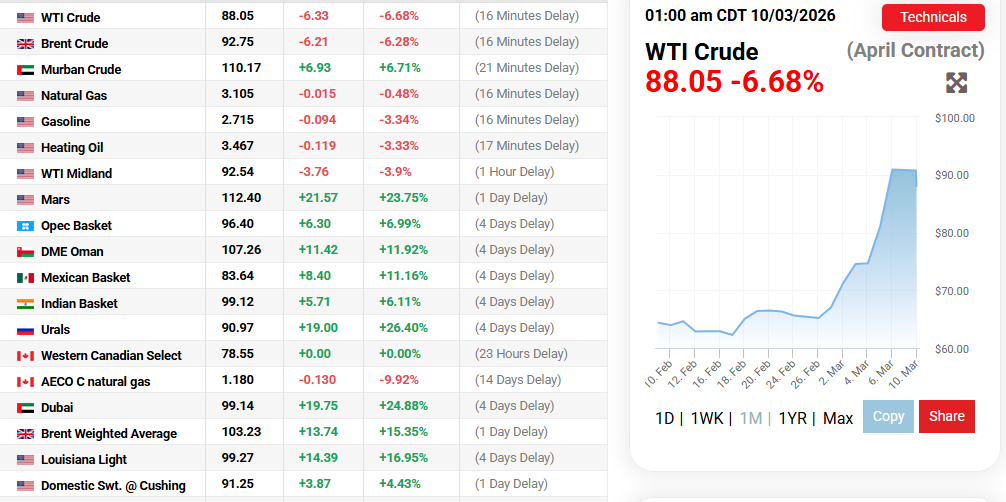
Lower crude helps ease inflation expectations, supports the rupee, and reduces cost pressure on Indian companies. This attracts flows into equities and boosts investor sentiment.
What Other Macro Cues Helped the Upside?
Beyond geopolitics and oil, several positive macro drivers helped the rally:
- Improving global equity cues lifted risk appetite.
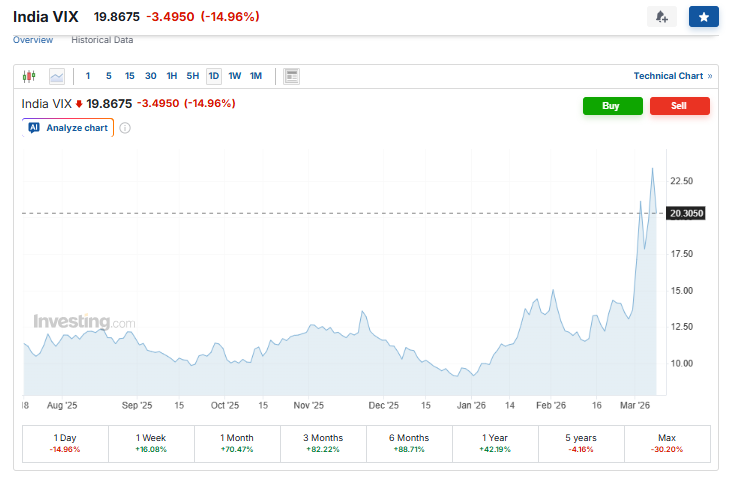
- India VIX (fear index) fell sharply, reflecting lower near‑term volatility expectations.
- Strong performance in Asian markets supported emerging market equities.
These factors combined to lift market mood, providing relief after a steep sell‑off.
Indian Sector and Stock Highlights
Which Sectors Led the Gains?
The rebound was broad‑based. Key outperformers included:
- Aviation stocks such as InterGlobe Aviation showed strong gains.
- Consumer and industrial stocks like Asian Paints, Mahindra & Mahindra, and UltraTech Cement also rallied.
- Infrastructure names and select financials participated in the upside as well.
Mid‑cap and small‑cap segments also joined the recovery, indicating a wider return of investor risk appetite.
Which Stocks Lagged or Showed Caution?
Despite the overall rally, some heavyweight names saw mixed trading behaviour. Traders booked profits in a few large‑caps, showing caution after prior volatility.
Short‑term traders used gains in beaten‑down names to redistribute risk, while others waited for clearer trends before committing fresh capital.
What Analysts are Watching Next for Sensex and Nifty Rally?
Will Markets Sustain the Rally?
Analysts stress that whether the rally lasts depends on geopolitical developments. If tensions remain and oil prices stabilise, markets could continue to hold gains. However, renewed hostilities or delays in diplomatic progress may bring volatility back.
Investors and traders are closely watching:
- Oil price trends, especially near the $90 and $100 per barrel levels.
- Geopolitical headlines from the Middle East that could impact energy supply.
- Global macro cues, including US and Asian economic signals.
Technical Signals & Market Trends
What Do Technical Indicators Suggest?
Technical charts show key support and resistance zones shaping short‑term price action:
- Support: Nifty near the 24,000‑24,100 band; Sensex near prior lows.
- Resistance: Higher bands around recent session highs, influenced by volatility.
Technical measures like the India VIX have dropped, signalling less near‑term fear, but market breadth still needs improvement for a sustained uptrend.
Traders also use an AI stock analysis tool to gauge sentiment shifts and market momentum, especially in volatile geopolitical environments.
Sensex and Nifty Rally: How Does This Affect Investors?
For long‑term investors, the recent rally offers a glimpse of recovery, but remains cautious. Markets are likely to stay choppy until clear signs of peace in West Asia and stable crude prices emerge. Short‑term traders may find opportunities in volatility, while long‑term holders may focus on fundamental strength and macro stability.
Supportive government policies, currency movement, and global liquidity flows will also be key determinants of market direction in the coming weeks.
Wrap Up
The Sensex and Nifty surged on March 10, 2026, driven by easing West Asia tensions and falling crude prices. While the rally boosts sentiment, investors should watch geopolitical developments and oil trends to gauge if the recovery can hold.
Frequently Asked Questions (FAQs)
On March 10, 2026, the Sensex rose sharply as global markets turned positive. Investors reacted to easing tensions in West Asia, falling oil prices, and stronger Asian market cues.
Trump’s remarks about a possible de-escalation in West Asia on March 10, 2026, eased investor fears. This boosted risk appetite, helping the Sensex and Nifty gain in early trade.
Yes, crude prices fell sharply on March 10, 2026, reducing inflation worries. Lower oil costs eased pressure on companies, improving market sentiment and contributing to the Sensex rally.
Disclaimer:
The content shared by Meyka AI PTY LTD is solely for research and informational purposes. Meyka is not a financial advisory service, and the information provided should not be considered investment or trading advice.
What brings you to Meyka?
Pick what interests you most and we will get you started.
I'm here to read news
Find more articles like this one
I'm here to research stocks
Ask our AI about any stock
I'm here to track my Portfolio
Get daily updates and alerts (coming March 2026)