











On March 20, 2026, Indian stock markets staged a sharp comeback after a brutal sell-off just a day earlier. The BSE Sensex jumped over 800-900 points, while the Nifty 50 climbed above 23,200, signaling strong recovery momentum in early trade. Just 24 hours before, both indices had crashed more than 3% in their worst fall since 2024, shaking investor confidence.
This sudden rebound was driven by easing crude oil prices, bargain buying, and improved global sentiment. But with foreign investors still selling and volatility high, the big question remains: Is this a real recovery or just a short-term bounce?
Sensex & Nifty Today – Key Numbers and Market Snapshot
On March 20, 2026, Indian markets saw a strong rebound after a deep slide the previous day. The BSE Sensex climbed roughly 900 points, while the Nifty 50 moved above the 23,200-23,300 levels during the session. This bounce added close to ₹6 lakh crore in market value within a single trading day, highlighting strong recovery momentum after a significant sell-off.
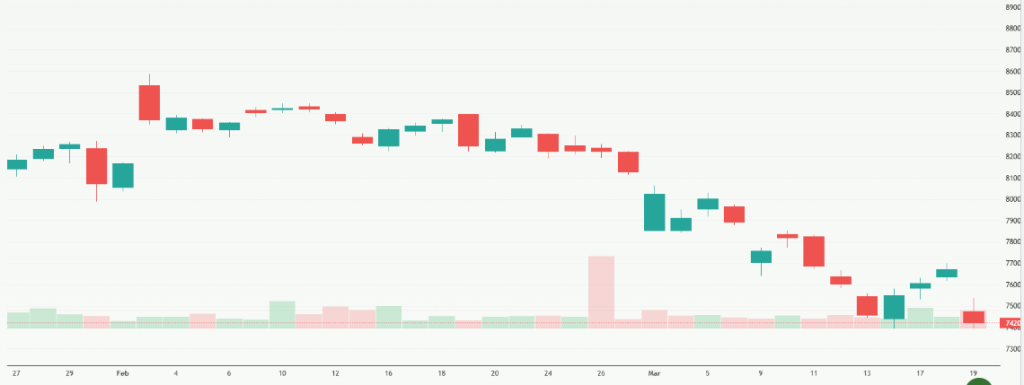
The Nifty opened above 23,200, trading up nearly 1% early in the session, reinforcing positive sentiment among traders. Broader market indices also reacted well, with mid-cap and small-cap segments joining the upside move.
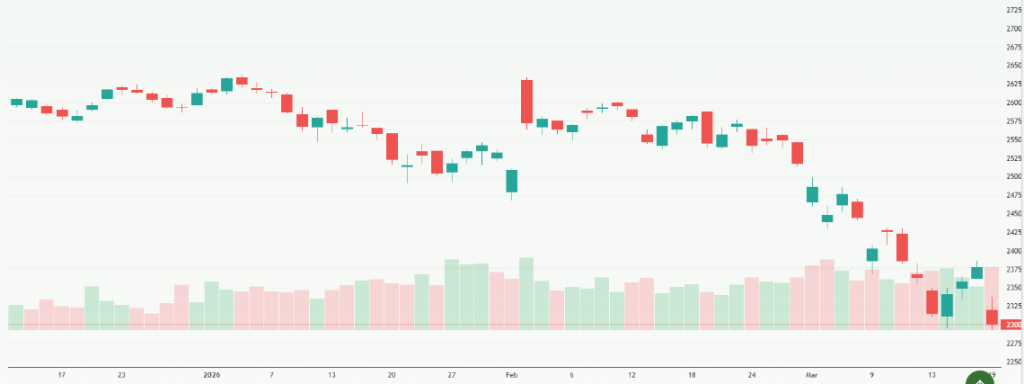
Sector-wise, PSU banks and select financial names led gains, many rising 3-5% as buyers returned after excess pessimism. Metals and IT sectors also contributed positively, while certain private banks continued to show volatility.
Despite the rebound, underlying vulnerabilities remain. The market’s short‑term trend still reflects caution after earlier heavy losses, with investors watching for confirmation of sustained buying interest rather than a short relief bounce.
Indian Stock Market: What Triggered Today’s Market Rally?
Why Did Indian Stocks Rebound Strongly?
Several key triggers helped revive markets on Friday after sharp prior declines:
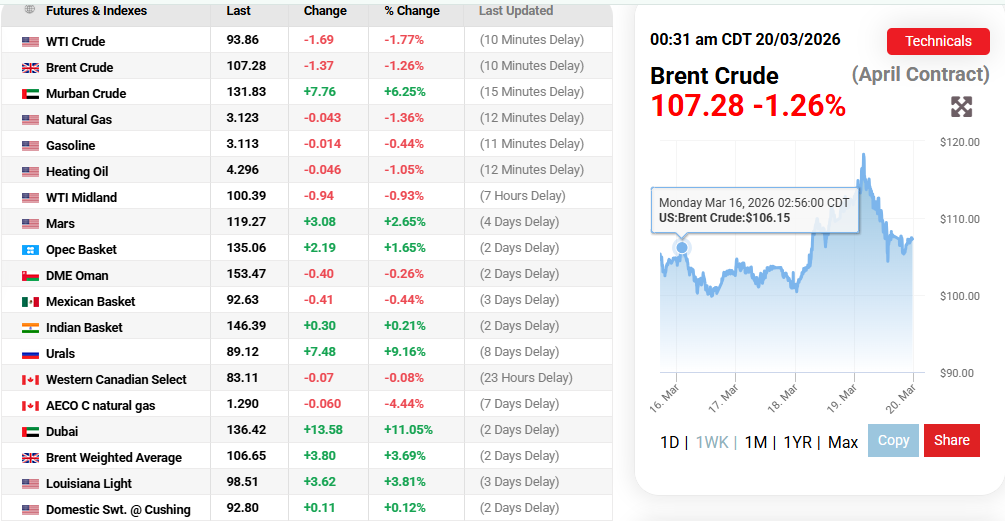
Falling Crude Oil Prices
Brent crude retreated from recent highs above $119 per barrel to around $107, easing inflation fears for oil‑importing economies like India. This relief in energy costs improved investor sentiment and reduced pressure on corporate margins.
Value Buying After Deep Sell‑Off
Thursday’s sell‑off, one of the steepest single‑day drops in recent times, created bargain opportunities. Domestic and institutional investors stepped in to buy at perceived discounted levels, fueling the bounce.
Improved Geopolitical Signals
Easing concerns around the Middle East supply routes and diplomatic efforts to secure oil shipping helped calm global risk sentiment. These developments supported buying interest in equities on Friday.
Technical and Short‑Covering Moves
With indices deeply oversold, short‑term traders covered bearish positions, adding momentum to the upside. This technical bounce is typical after extended sell pressure.
Together, these factors triggered a broad‑based recovery, though analysts caution that a single day’s rally doesn’t guarantee a sustained turn higher.
Sector‑Wise Performance – Who Led the Rally?
Which Sectors Drove the Index Gains?
During the rebound on March 20, several sectors stood out:
- PSU Bank Stocks: Public sector bank stocks sharply outperformed, pushing the Nifty PSU Bank index up nearly 4%. Names like State Bank of India and Bank of Baroda helped lead the broader market recovery.
- Financials and Banking: Broad financials showed strength after heavy recent selling. Bulls returned to segments that had seen strong outflows earlier in the month.
- Metals and IT Sectors: Metal stocks were up over 2%, reflecting improved risk appetite, while the IT index recorded modest gains as tech names attracted buying interest.
- Lagging Sectors: Despite the bounce, certain private banks and select cyclical names remained volatile due to ongoing concerns over foreign investor outflows and leadership changes.
In summary, the rally was broad‑based but led by segments previously hit hardest, signaling buyers are stepping in where valuations appear most attractive.
Why Markets Fell Before This Rally- Context You Can’t Ignore
What Caused the Sell‑Off Before March 20?
The rebound on March 20 followed heavy losses across Indian markets.
- On March 19, 2026, both Sensex and Nifty dropped more than 3% in a single session, marking the steepest decline since mid‑2024.
- Foreign investors unloaded equities across sectors, particularly banking, intensifying the decline.
- This sell‑off contributed to a roughly 8-10% correction over the past fortnight, pushing markets into technical correction territory.
Key reasons for the downturn included:
- Geopolitical risks, especially conflicts affecting the global oil supply.
- Spiking crude oil prices, which hiked import bills and inflation fears.
- Record FPI outflows, with sustained foreign selling over the past two weeks.
Economic pressure also showed up in currency markets, with the Indian rupee weakening to record lows against the U.S. dollar. These combined factors harmed trader confidence and triggered broad defensive selling before Friday’s relief rally.
Global Factors Driving Indian Markets Right Now
How are Global Trends Affecting Indian Stocks?
Several international trends have shaped market moves this month:
Crude Oil Volatility: Global oil prices remain a major driver for Indian markets. Rising oil costs create inflation and weaken the rupee, pressuring equities. The recent fall in Brent eased some fears.
Geopolitical Uncertainty: Ongoing tensions in the Middle East have repeatedly rattled markets. Diplomatic developments on supply routes influence global risk appetite and capital flows.
Foreign Investment Trends: Sustained FPI selling over the last 15 trading days has weighed on headline indices, reflecting risk‑off sentiment among global funds.
Currency Movements: The rupee weakening close to ₹93 per U.S. dollar adds cost pressures for Indian importers and heightens inflation expectations.
Global Interest Rates and Yields: Higher U.S. bond yields have drawn funds away from emerging markets. While an AI stock analysis tool recently highlighted this yield‑inflation link, investors are watching central bank cues closely for any shifts.
These factors tie global macro stress to Indian market reactions, making domestic equities sensitive to external developments.
Expert View on Sensex – Is This Rally Sustainable?
Will This Recovery Continue?
Experts are mixed on whether this rally will stick.
Bullish Views:
Some analysts say the market rebound reflects strong domestic buying. They believe valuations look attractive after a heavy correction. Certain sectors may lead renewed strength if global cues improve.
Bearish Views:
Continued foreign selling pressure could push indices lower again. Geopolitical tension and commodity volatility remain key risks. Some worry this is just a short‑term relief bounce.
Market strategists highlight that one strong day doesn’t signal a trend change. Momentum needs follow‑through in the coming sessions to confirm the recovery. Traders should watch support and resistance levels on major indices for direction.
Overall, the near term may stay choppy. A cautious stance is advised rather than assuming a sustained uptrend.
India Stock Market: What Should Investors Do Now?
How Should Investors Play This Market?
Given current volatility:
- Avoid emotional buying in one strong session.
- Focus on fundamentally strong stocks with clear earnings.
- Monitor crude oil and geopolitical updates closely.
- Use dips to gradually accumulate positions.
- Avoid heavy leverage or short‑term bets amid uncertain trends.
Long‑term investors may view the correction as a buying opportunity in select sectors. However, short‑term traders need strict risk controls due to choppy price action.
Watch foreign capital flow trends and pending global economic data. They will shape direction more than isolated daily moves. Stepping up research and relying on validated analytics can help navigate this uncertain phase.
Bottom Line
Indian markets showed resilience on March 20, 2026, staging a sharp rebound after steep losses. While falling oil prices and bargain buying propelled a strong bounce, underlying risks remain. Investors should stay alert, track macro cues closely, and balance risk with opportunity. Continued volatility means smart strategies and patience will matter more than chasing quick gains.
Frequently Asked Questions (FAQs)
On March 20, 2026, Sensex rose 883 points due to falling oil prices, bargain buying, and easing global market fears.
Nifty recovered on March 20, 2026, but sustainability is uncertain. Experts warn that volatility, foreign selling, and global risks may affect it.
PSU banks, metals, and IT sectors led the market rally on March 20, 2026, as investors returned after heavy prior losses.
Disclaimer:
The content shared by Meyka AI PTY LTD is solely for research and informational purposes. Meyka is not a financial advisory service, and the information provided should not be considered investment or trading advice.
What brings you to Meyka?
Pick what interests you most and we will get you started.
I'm here to read news
Find more articles like this one
I'm here to research stocks
Ask our AI about any stock
I'm here to track my Portfolio
Get daily updates and alerts (coming March 2026)