











On March 25, 2026, Indian markets saw a sharp upswing as the BSE Sensex jumped nearly 700 points early in the session, pushing major indices higher and lifting investor morale. This sudden rally came after days of volatility and recent losses, catching the attention of traders and long‑term investors alike.
Early gains were broad‑based, with the Nifty50 also moving up strongly, and buying interest flowed into key sectors across Dalal Street. What’s curious is that this jump didn’t happen in isolation; it followed global cues, easing oil prices, and renewed optimism on geopolitical risks easing. In simple terms, markets moved from nervous to bullish in a short span, prompting fresh questions about what’s really driving this rebound.
Market Snapshot: Sensex & Nifty Today
On March 25, 2026, Indian equity markets extended a strong rally, led by benchmark indices. The BSE Sensex surged sharply over 1,100 points (approximately 1.5%) early in trading on strong buying interest across sectors.
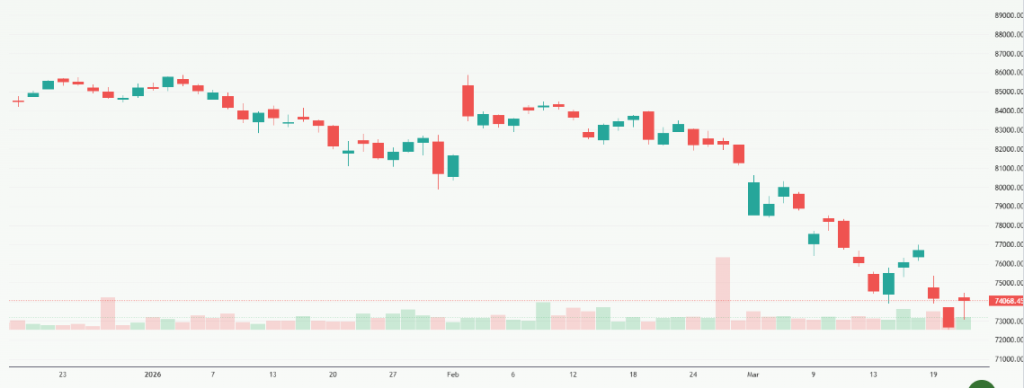
By mid‑morning, the Sensex was trading above 75,000-75,300 levels, reflecting broad gains among frontline stocks. The NSE Nifty50 also climbed above key thresholds as investors reacted to easing global tensions and improved market sentiment.
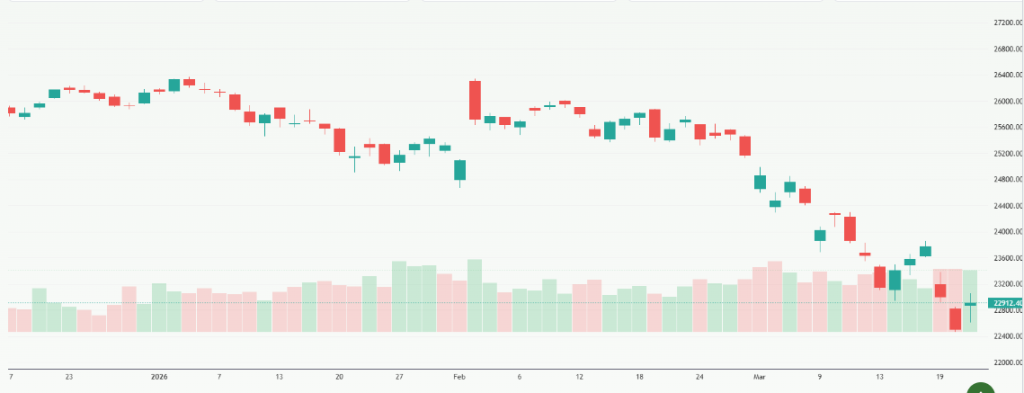
Major sectors saw robust participation, with banking, financials, and consumer names leading the upside. The rally was notable due to sustained buying following recent volatility and risk‑off moves.
This strong momentum highlights renewed investor confidence as markets look to consolidate gains ahead of upcoming macroeconomic and geopolitical developments.
What’s Fueling the Rally?
Global Cues and Risk Appetite
One key driver behind the recent Sensex jump is improved global risk sentiment. Markets across Asia and the world showed strength on March 25, 2026, after news emerged of reduced geopolitical tensions in the Middle East.
In particular, traders reacted positively to reports that a pause in conflict activity involving key energy‑producing regions helped lower crude price volatility and ease investor fears. This put pressure on risk assets and encouraged buying in equities.
Global cues such as firming U.S. and European markets also supported a risk‑on move, lifting emerging markets like India and boosting benchmark indices.
Domestic Market Drivers
At home, improved liquidity and bargain buying propelled the rally. After heavy selling earlier in March, many domestic investors viewed dips as buying opportunities, especially in large‑cap and quality stocks.
Also, with inflation data showing relative stability and expectations around policy steadiness from the Reserve Bank of India, market participants shifted toward equities. Lower bond yields and steady commodity prices added to the positive backdrop.
Institutional Flows
Flows from institutional investors played a role, too. Recent sessions saw some return of Foreign Institutional Investor (FII) inflows, which tend to lift broader sentiment and support higher valuations.
Domestic Institutional Investors (DIIs) also contributed by buying equities across major sectors. When FIIs and DIIs align on buying, it often strengthens market ascents.
Which Sectors and Stocks are Leading the Rally?
Banking and Financials
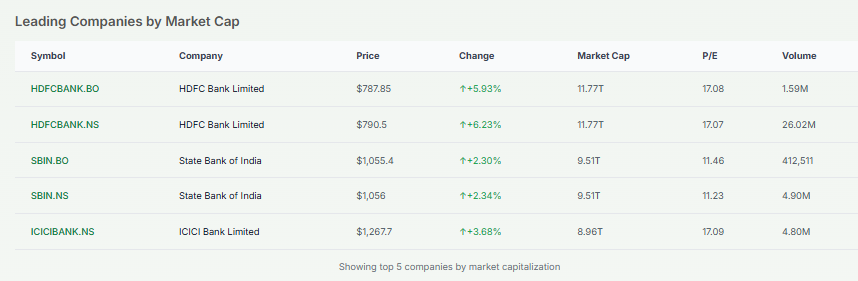
Bank stocks were among the top movers during the recent upswing. Increased buying interest in Kotak Mahindra Bank and other lenders added to the strength in the financial index. Sector rotation toward banks reflects optimism about credit growth and earnings resilience.
Select Large Caps
Stocks like Larsen & Toubro outperformed peers, indicating broad participation beyond just a few sectors. At the same time, some heavyweight names such as Reliance Industries also rose, although at a slower pace compared with the overall index, signaling mixed sectoral breadth.
Midcaps and Quality Names
Midcap and smallcap stocks have also shown pockets of buying, though profit booking remains possible near resistance levels. Markets with rising breadth often sustain momentum better than narrow rallies.
Sensex Today: What Analysts are Saying?
Market analysts are interpreting the recent surge as a relief rally after a period of volatility. Some see the jump as a response to easing geopolitical risk and strong global cues rather than a full macro shift.
Experts caution that while the upmove is healthy, sustained momentum will depend on continued positive cues and domestic economic data. Equity markets may remain sensitive to crude price movements, currency fluctuations, and central bank signals.
Technical analysts also point out that some indices have reached short‑term resistance zones, where profit booking may emerge if buyers pause. AI‑based stock analysis tools suggest traders monitor support levels closely for confirmation of trend continuation.
What does the Sensex rally mean for Investors?
How Should Traders View It?
For short‑term traders, the recent rally offers opportunities but also risks. Rapid gains can lead to profit booking or volatility around major psychological levels. Traders may choose selective buying or set stop levels to manage risk.
Long‑Term Investor Outlook
Long‑term investors may view this as part of a broader recovery if corporate earnings and economic growth hold steady. Markets often rebound after phases of volatility, especially when macro fundamentals remain supportive.
Investors should keep an eye on upcoming economic data releases, RBI policy updates, and global market cues to adjust strategy.
Key Risks Still on Watch
- Global geopolitical developments can quickly shift sentiment again.
- Currency pressure (rupee weakness) may weigh on investor confidence.
- Crude oil volatility still influences inflation expectations.
- Foreign institutional flows remain a key driver of capital direction.
Monitoring these factors will help investors gauge whether this rally has staying power beyond short‑term reactions.
Wrap Up
The Sensex jump of over 700 points on March 25, 2026, reflects renewed investor confidence amid easing global tensions, positive domestic cues, and strong sector participation. While short-term traders may capitalize on momentum, long-term investors should monitor upcoming RBI policy updates, corporate earnings, and global market trends to navigate potential volatility effectively.
Frequently Asked Questions (FAQs)
As of March 25, 2026, MCX gold trades near ₹1.47 lakh per 10 grams, showing strong price movement and market interest.
On March 25, 2026, silver jumped about 5% due to higher industrial demand, trader activity, and shifting market sentiment in India.
In March 2026, gold is seen as stable. It can protect value but may not rise fast. Research before investing.
Disclaimer:
The content shared by Meyka AI PTY LTD is solely for research and informational purposes. Meyka is not a financial advisory service, and the information provided should not be considered investment or trading advice.
What brings you to Meyka?
Pick what interests you most and we will get you started.
I'm here to read news
Find more articles like this one
I'm here to research stocks
Ask our AI about any stock
I'm here to track my Portfolio
Get daily updates and alerts (coming March 2026)