











Sensex Falls Nearly 600 Points as Nifty 50 Opens at 23,462 Amid West Asia Tensions; L&T, HDFC Bank Down 2%
On Friday, March 13, 2026, Indian stock markets opened sharply lower as investors reacted to fresh geopolitical fears and rising commodity prices. The BSE Sensex slid nearly 600 points in early trade while the Nifty 50 started around 23,462, signaling a risk‑off mood across Dalal Street.
Markets were weighed down by escalating tensions in West Asia, which pushed crude oil prices and rattled global equities. Key heavyweights such as L&T and HDFC Bank also turned red, adding to the angst among traders and long‑term investors alike. This sudden volatility has left many wondering what’s shaking the markets and where things might head next.
Market Opens Lower: Sensex & Nifty 50 Snapshot
On March 13, 2026, Indian markets opened sharply lower. The BSE Sensex fell nearly 600 points and the Nifty 50 opened around 23,462. This came after investors reacted to intensifying geopolitical tensions in West Asia, rising crude oil prices, and pressure on global markets.
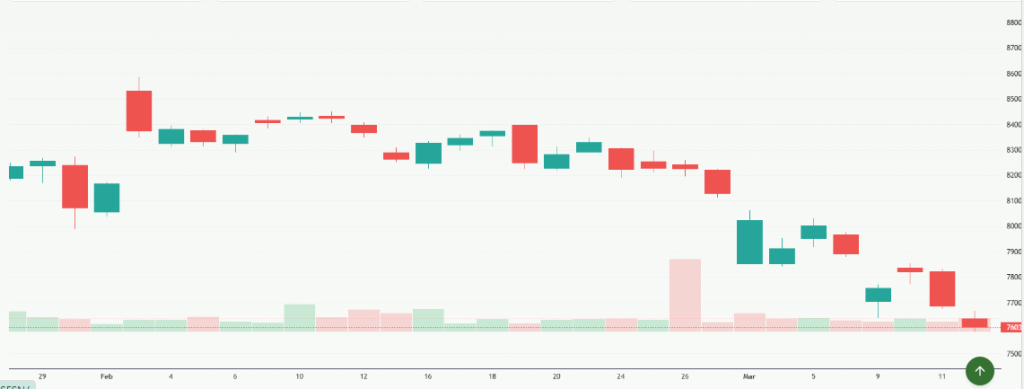
These early losses followed days of sell‑offs across Asian and European equities as risk sentiment weakened. Domestic indices weakened further on the prospect of higher input costs and inflation risks. The Sensex and Nifty marked their worst weekly declines since late 2024, extending market anxiety.
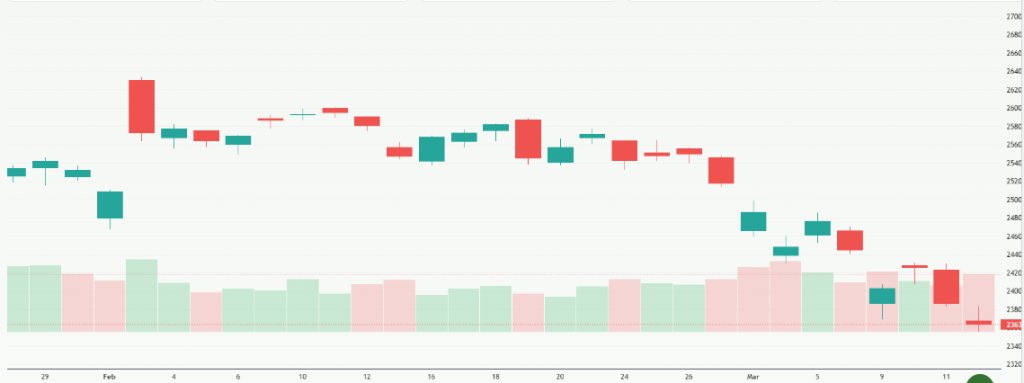
Opening Price Levels Compared to Previous Close
At the market open:
- Sensex dropped about 600 points from the prior session’s close.
- Nifty 50 opened near 23,462, down more than 1%.
This sharp slide reflects investor caution across sectors. Banking, auto, metals, and financials traded lower, showing broad weakness.
Why Is the Indian Stock Market Falling?
What’s Driving the Volatility?
The main trigger behind the sharp fall is escalating geopolitical conflict in West Asia. The ongoing 2026 Iran war and tensions involving the US, Iran, and allied states have disrupted global energy supplies. Key shipping routes like the Strait of Hormuz faced closures and attacks, limiting oil flow. This disruption has cut global oil supplies and pushed crude prices above $100 per barrel, the highest in years.
These developments have sapped investor confidence and boosted inflation fears. Higher oil prices raise costs for businesses and consumers, which can reduce demand and corporate profits. Such macro risks often lead global funds to reduce exposure to equities, including Indian stocks.
Are Oil Prices Really Affecting Markets?
Yes. Brent crude climbed above $100, driven by supply disruptions in the Middle East. This surge increases fuel costs and inflation expectations. Analysts warn that extended high oil prices could shave up to 1% off India’s GDP growth due to higher input costs across the economy.
The recent conflict has also raised fears of global stagflation, a combination of slowing growth and climbing inflation, which historically hurts stock markets.
Sector & Stock Movements: What’s Falling and Why?
Which Sectors are Most Hurt?
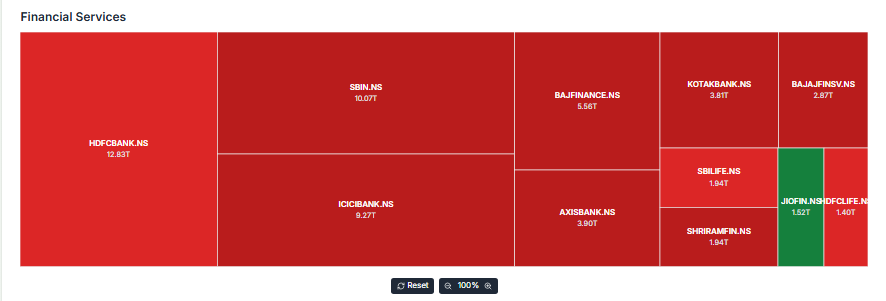
Sharp selling affected multiple sectors:
- Banking and Finance: Banks including HDFC Bank made early losses. Weak sentiment and fears of slower credit growth weighed on financial shares.
- Infrastructure: Larsen & Toubro (L&T) shares declined as investors fled riskier cyclicals.
- Auto and Metals: These cyclical segments saw broad weakness due to heightened cost pressures and weaker demand outlook.
This uniform sell‑off reflects market fear rather than stock‑specific issues.
Is Foreign Investment Withdrawing?
Yes. Foreign portfolio investors (FPIs) have been net sellers. In the past week alone, FPIs offloaded equities worth over Rs 21,000 crore. This exodus added downward pressure on index levels.
How Global Markets are Reacting?
Are Other Markets Falling Too?
Indian markets are not alone. Major Asian markets like the Nikkei, Kospi, and Hang Seng have declined sharply amid the same geopolitical risks. These global declines show that investor caution is broad‑based.
Even European and US markets have shown volatility, with commodities prices leading risk aversion globally. This correlated fall reinforces the idea that Indian stocks are being influenced by global risk factors more than local fundamentals.
What are Analysts Saying?
Market strategists have warned of elevated volatility and recommended risk‑management strategies. Traders are watching key technical levels. Some AI stock analysis tools have cautioned that short‑term momentum favors downside until clear conflict resolution news emerges.
What Economic Impact Could Follow?
How Might the Broader Economy Be Affected?
The West Asia conflict poses macro risks beyond markets. Crisil Intelligence forecasts that persistent tensions and high oil prices could temper India’s GDP growth to around 7.1% in FY27, although this still represents healthy expansion.
Higher inflation, wider trade deficits, and central bank policy uncertainty could further challenge market sentiment.
Is India’s Energy Security at Risk?
Leaders in India have expressed concern over energy vulnerabilities. With India importing about 88% of its crude oil, any prolonged supply disruption can push fuel prices higher domestically, increasing inflation and reducing consumer spending power.
Sensex Today: What Should Investors Watch Next?
Key Levels and Economic Triggers
Investors are closely watching:
- Technical support levels around Nifty 23,000.
- Global crude oil prices and the Middle East conflict trajectory.
- FII flows data for signs of returning confidence.
- Upcoming earnings results from major banks and blue‑chip companies.
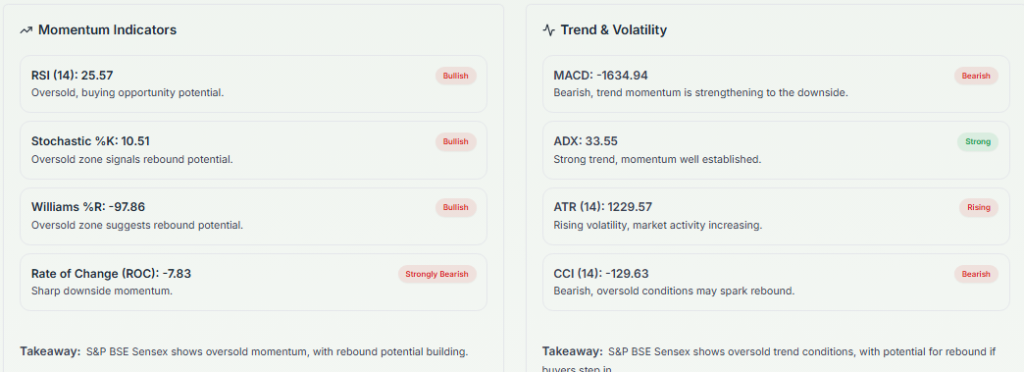
These factors will guide near‑term market direction.
Trading Strategy Considerations
Given current volatility:
- Traders should watch support and resistance levels closely.
- Long‑term investors should focus on fundamentals.
- Diversification can help manage risk during macro‑driven sell‑offs.
Final Words
The Indian stock market’s recent sell‑off reflects global risk factors, especially the escalating West Asia conflict and rising crude costs. These pressures have weakened investor confidence, led to sharp declines in major indices, and prompted foreign outflows.
While macro conditions pose challenges, clear technical signals and macroeconomic data in the coming days will be key to understanding whether markets can stabilise. Keeping an eye on oil prices, geopolitical developments, and economic indicators remains crucial for every investor.
Frequently Asked Questions (FAQs)
On March 13, 2026, the Sensex fell nearly 600 points due to global tensions and high oil prices.
West Asia conflicts on March 13, 2026, raised crude prices, inflation fears, and foreign investor selling, pressuring Indian stocks.
Nifty 50 opened at 23,462 on March 13, 2026, showing market weakness and caution among traders and long-term investors.
Disclaimer:
The content shared by Meyka AI PTY LTD is solely for research and informational purposes. Meyka is not a financial advisory service, and the information provided should not be considered investment or trading advice.
What brings you to Meyka?
Pick what interests you most and we will get you started.
I'm here to read news
Find more articles like this one
I'm here to research stocks
Ask our AI about any stock
I'm here to track my Portfolio
Get daily updates and alerts (coming March 2026)