











Sensex Falls 800+ Points, Nifty50 Opens at 23,173 on Weak Global Cues; Rupee Hits 94.29
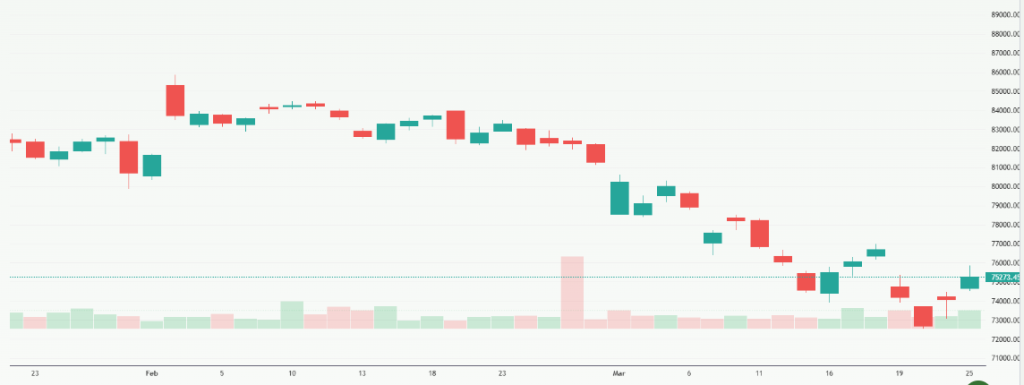
On March 27, 2026, Indian stock markets opened under heavy pressure, with the Sensex dropping over 800 points and Nifty50 slipping to 23,173. At the same time, the Indian rupee hit a record low of 94.29 against the US dollar. This sharp fall reflects rising global uncertainty, driven by geopolitical tensions and surging crude oil prices. Investors are reacting quickly, pulling money from riskier assets and moving toward safer options.
The sudden dip has erased lakhs of crores in market value within hours. For many, this raises a key question: is this just a short-term shock or a deeper market correction ahead? Understanding the reasons behind this fall can help investors make smarter decisions in volatile times.
India Stock Market Snapshot – Key Numbers & Trends
What happened at the opening bell?
Indian markets opened sharply lower. The BSE Sensex fell over 800 points in early trade. The Nifty50 opened at around 23,173 and quickly moved closer to the 23,000 mark. Selling pressure was broad-based across sectors.
How did currency and volatility react?
- The Indian rupee touched 94.29 per US dollar, its weakest level on record.
- India VIX surged above 26, indicating high fear in the market.
- Volatility rose due to global uncertainty and rapid foreign outflows.
Which sectors were hit the most?
Most sectors traded in the red. Banking, IT, and energy stocks led the decline. Midcap and small-cap indices dropped over 1.5 percent.
Why Is the Stock Market Falling Today?
Is global geopolitical tension driving the fall?
Yes. Rising tensions in the Middle East, especially involving Iran, have created global uncertainty. Investors are moving to safer assets like gold and US bonds. This reduces demand for equities in emerging markets like India.
How are crude oil prices affecting markets?
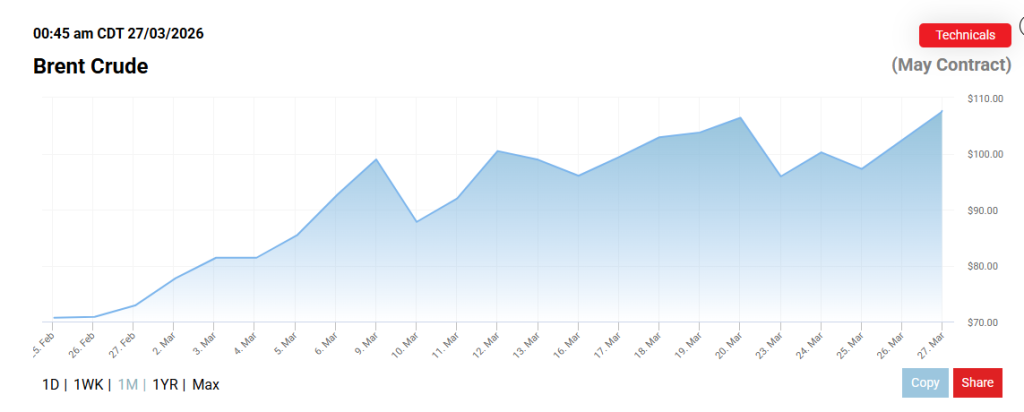
Crude oil prices moved near $100-$113 per barrel in March 2026. India imports most of its oil. Higher prices increase costs for companies. This reduces profit margins and weakens investor confidence.
Why is the rupee weakening?
The rupee is under pressure due to:
- Rising oil import bills
- Strong US dollar
- Continuous foreign capital outflows
A weaker rupee also increases inflation risks.
Are foreign investors pulling out money?
Yes. Foreign Institutional Investors (FIIs) sold over $9 billion worth of Indian equities in March 2026. They are shifting funds to safer markets due to rising global risks.
What role do US bond yields play?
Higher US bond yields attract global investors. This reduces flows into Indian markets. As a result, equity markets face selling pressure.
Impact on Investors & Market Capitalization
How much wealth was wiped out?
Investors lost over ₹5 lakh crore in market value in a single session on March 27, 2026. Over recent sessions, total losses crossed ₹10 lakh crore.
Which stocks were most affected?
Heavyweight stocks saw strong selling:
- Banking: HDFC Bank, ICICI Bank
- Energy: Reliance Industries
- Infra: Larsen & Toubro
These stocks carry high weight in indices, so their fall dragged markets lower.
How are retail investors reacting?
Retail investors are showing panic behavior. Many are selling in fear of further losses. Short-term traders are facing high volatility and uncertain trends.
Indian Rupee at Record Low – What It Means
Why did the rupee hit 94.29?
The rupee weakened due to:
- Strong US dollar demand
- Rising crude oil prices
- Continuous foreign fund outflows
What does this mean for the economy?
- Imports become expensive
- Inflation may rise
- Corporate costs increase
Can RBI control the fall?
The Reserve Bank of India may intervene using its forex reserves. However, sustained global pressure can limit its impact.
What is the future outlook for Indian Rupee?
Analysts expect the rupee to trade between 94 and 98 in the coming months if global tensions continue.
Technical Levels to Watch for Nifty & Sensex
What are the key support levels for Nifty50?
- Immediate support: 23,000
- Next support: 22,800
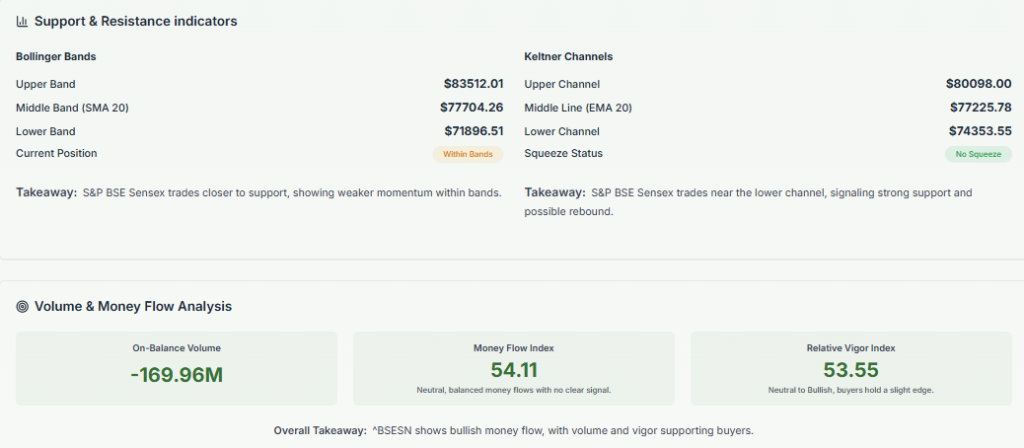
If these levels break, further downside is possible.
What about resistance levels?
- Strong resistance near 24,000
Markets need positive triggers to cross this level.
What is the current trend?
- Short-term trend: Bearish
- Medium-term trend: Sideways with volatility
Technical indicators show weak momentum and rising selling pressure.
Expert Outlook – What Analysts are Saying?
What are global firms predicting?
Global firms like Goldman Sachs have downgraded India’s outlook. They cited rising oil prices and global uncertainty as key risks.
What are possible scenarios?
- Base case: Market stabilizes if geopolitical tensions ease
- Bear case: Nifty may fall below 20,000 if the crisis continues
What are the key triggers ahead?
- Movement in crude oil prices
- Updates on global conflicts
- RBI policy actions
Suggestion from Modern Tools:
Platforms like Meyka.com, an AI stock analysis tool, indicate increased short-term risk. They suggest cautious investing until volatility reduces.
Sensex Today: What Should Investors Do Now?
Should you sell or hold?
Avoid panic selling. Markets often recover after sharp corrections.
What strategy works best now?
- Focus on fundamentally strong stocks
- Invest gradually during dips
- Avoid high-risk trades
Where to look for opportunities?
Defensive sectors like FMCG and pharma may offer stability. Long-term investors should stay disciplined and diversified.
Wrap Up
The recent fall in Sensex and Nifty reflects global pressure, not a weak domestic economy. Rising oil prices, geopolitical risks, and currency weakness are key concerns. Volatility may continue in the short term.
However, long-term investors can view this correction as a buying opportunity. The market’s next move will depend on global stability, oil trends, and investor confidence returning.
Frequently Asked Questions (FAQs)
On March 27, 2026, markets fell due to global tensions, rising oil prices, a weak rupee, and heavy foreign investor selling pressure.
As of March 2026, analysts say Nifty50 may test 23,000 support, but future movement depends on global trends and investor sentiment.
In March 2026, the rupee weakened to 94.29 due to strong dollar demand, rising oil imports, and continuous foreign capital outflows.
Disclaimer:
The content shared by Meyka AI PTY LTD is solely for research and informational purposes. Meyka is not a financial advisory service, and the information provided should not be considered investment or trading advice.
What brings you to Meyka?
Pick what interests you most and we will get you started.
I'm here to read news
Find more articles like this one
I'm here to research stocks
Ask our AI about any stock
I'm here to track my Portfolio
Get daily updates and alerts (coming March 2026)