











Oil markets are in turmoil in March 2026, and big tech companies are starting to feel the effects. Since the U.S.-Iran war disrupted shipping through the Strait of Hormuz, a passage that carries about 20 % of the world’s oil, prices have surged sharply, at times topping $100 per barrel. This sudden rise isn’t just bad news for fuel bills. On March 12, Samsung Display’s CEO warned that climbing oil and energy costs could push up production expenses across the tech supply chain. The conflict’s impact on raw materials and manufacturing could reshape cost structures for electronics in 2026 and beyond.
Global Oil Price Shock from the Middle East Conflict
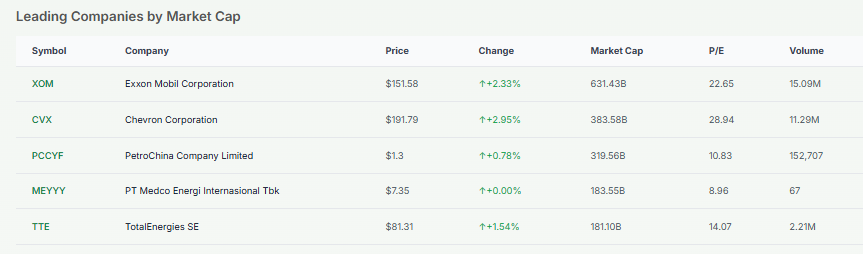
Oil prices have been volatile in March 2026, largely due to the widening U.S.-Israeli war involving Iran. The conflict has disrupted oil supplies from the Middle East and hit key shipping routes like the Strait of Hormuz, a channel that carries about 20 % of global crude exports.
According to market reports, global crude prices jumped roughly 20 % earlier this week, reaching their highest in years as fears grew that Middle East supplies could stay constrained. This surge reflects deep concerns over the stability of oil flows and the risk of prolonged disruption if the conflict intensifies. Policymakers in major consuming nations are now taking action, such as coordinated Strategic Petroleum Reserve releases to cool prices.
Analysts say that even if fighting eases, it could take weeks or months for logistics and shipping patterns to normalize, keeping prices elevated. Higher oil prices often ripple through markets by increasing transport and energy costs, which then can push inflation higher worldwide.
Key drivers of the oil shock:
- Conflict‑related production cuts and supply chain bottlenecks
- Tanker disruptions near Hormuz
- Strategic reserve releases are attempting to stabilize markets
These pressures make energy costs a central factor in broader economic and industrial trends in 2026.
Samsung’s Warning: Rising Production Costs Ahead
The escalating Iran war has raised fresh concerns for global manufacturers. On March 12, 2026, Samsung Display’s chief executive warned that the conflict and surging oil prices could significantly raise production costs across the tech sector.
Samsung Display President and CEO Chung Yi told Reuters that rising crude values are already adding pressure to energy and raw material costs for the company’s flat‑panel business. Many components used in displays, like films and polymers, are derived from crude oil. He said this trend could make production more expensive if sustained.
Samsung Display supplies screens to major brands, including Apple and Samsung Electronics. Higher input costs may increase prices for phones, laptops, and TVs down the line as manufacturers pass on expenses. Chung also highlighted concerns about the second half of 2026, forecasting continued inflationary headwinds if the war persists.
This warning comes amid broader industry challenges: chip prices are already high due to strong AI and data‑center demand, and companies are seeking ways to reduce costs and protect profit margins. Samsung’s caution adds to growing evidence that geopolitical risk and energy price volatility are now key trends shaping tech supply chains worldwide.
How Does Rising Oil Affect the Tech Industry?
Supply Chain Disruption and Costs
Higher oil prices impact more than just fuel bills. They raise the cost of raw materials used in electronics manufacturing. Many plastics, films, and chemical inputs for chips and screens come from oil and gas derivatives. When crude moves up, those prices tend to follow.
The conflict’s broader effect includes potential supply challenges for critical chipmaking materials like helium and bromine, which come partly from Middle Eastern sources. South Korean industry officials have warned that long‑term instability could disrupt supplies and raise costs for semiconductor production.
Energy Costs and Manufacturing
Producing semiconductors and advanced electronics is energy‑intensive. Fabrication plants run 24/7 and require stable power. When oil and liquefied natural gas prices rise, electricity costs for factories can increase, putting further strain on profit margins. Recent industry reports note volatility in both oil and LNG markets as conflict‑related disruptions hit energy flows.
AI Demand Meets Cost Pressure
The booming demand for AI infrastructure already strains chip supply and pushes up memory prices. Higher energy costs add another layer of expense for data centers and fabrication facilities. Some analysts use an AI stock analysis tool to model how ongoing volatility could affect margins for major tech firms. The combined pressure of AI demand and geopolitical risk makes cost control a top priority for industry leaders.
Overall, these rising costs may lead to slower production, higher prices for electronic goods, and shifts in strategic planning across major tech companies.
Ripple Effects Beyond Samsung
How are Supply Chains Impacted Broadly?
Energy price spikes don’t just affect raw materials. They also raise the cost of logistics and transportation for global industries. Electronics and consumer goods depend on long, complex supply chains that stretch from factories to end consumers. Higher oil costs increase shipping fees, which can raise the final price of products.
In the semiconductor world, disruptions to helium and other rare gases from the Middle East add strain. Helium, used for cooling and leak‑testing during chip production, has few alternative sources and a limited global supply.
Market and Consumer Impacts
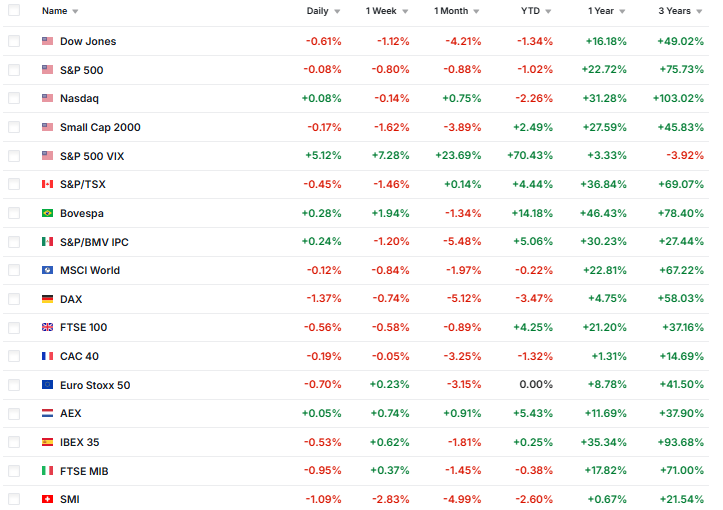
Stock markets have shown volatile reactions to the oil shock and war risks. Major tech and memory chip stocks have experienced price swings as investors weigh geopolitical risk against demand prospects.
For consumers, the result could be higher prices on electronics, slower rollouts of new devices, and potential delays in shipping. Rising energy and material costs often filter through to retail prices, particularly for energy‑intensive products like TVs, smartphones, and laptops.
These ripple effects underscore how a geopolitical event in the Middle East now resonates across global technology markets.
What are Companies Doing to Respond?
Corporate Cost‑Control Measures
In response to rising costs, tech firms are exploring strategies to reduce expense pressures. These include:
- Seeking diversified suppliers for raw materials
- Increasing efficiency in production lines
- Negotiating long‑term supply contracts to hedge against price swings
Many global manufacturers are also tightening budgets and controlling discretionary spending where possible.
Policy and Geopolitical Actions
Governments and international bodies are taking steps to stabilize energy markets. Coordinated Strategic Petroleum Reserve releases by the U.S. and International Energy Agency aim to ease crude price spikes and calm markets.
Additionally, efforts to keep key shipping routes like the Strait of Hormuz open are ongoing, as uninterrupted oil flows remain crucial for global trade and economic stability.
Final Words
Rising oil prices and the Iran war’s disruption to energy and raw materials are now shaping the economics of global tech manufacturing. Samsung’s warning highlights a larger trend: geopolitical risk can quickly ripple through supply chains, raising costs and altering industry strategies.
As firms and policymakers adapt to this evolving environment, cost management and supply diversification will be critical to maintaining competitiveness. The coming months could redefine how technology supply chains respond to global instability.
Frequently Asked Questions (FAQs)
On March 12, 2026, Samsung warned that higher oil prices could increase energy and material costs for production globally.
Oil prices surged in March 2026 because the Iran war disrupted the Strait of Hormuz, affecting global crude supply.
Rising oil costs in March 2026 may increase production expenses, potentially leading to higher prices for electronics and devices worldwide.
Disclaimer:
The content shared by Meyka AI PTY LTD is solely for research and informational purposes. Meyka is not a financial advisory service, and the information provided should not be considered investment or trading advice.
What brings you to Meyka?
Pick what interests you most and we will get you started.
I'm here to read news
Find more articles like this one
I'm here to research stocks
Ask our AI about any stock
I'm here to track my Portfolio
Get daily updates and alerts (coming March 2026)