Samsung Electronics just stunned the tech world with a massive profit boost that few saw coming. In its first quarter of 2026, the South Korean giant projected an operating profit of 57.2 trillion won (about $37.9 billion), more than 8 times higher than the same period last year. This dramatic jump didn’t come from phones or TVs. It came from AI‑focused chips, where demand from data centers and tech leaders has pushed memory prices sharply higher.
This surge reflects how artificial intelligence is reshaping global semiconductor markets in 2026. With memory shortages and fast‑growing AI workloads, Samsung’s earnings picture is changing faster than expected, and this trend has big implications for the broader tech industry.
Advertisement
Samsung’s Q1 2026 Earnings Breakdown
What Were Samsung’s Profit and Revenue Figures in Q1 2026?
Samsung Electronics reported record‑breaking earnings for the first quarter of 2026. The company projected an operating profit of about 57.2 trillion won (around $37.9 billion) for January through March 2026. This figure represents a 755 % year‑on‑year increase compared with the 6.69 trillion won Samsung posted in Q1 2025.
Revenue for the same period is expected to reach 133 trillion won, up roughly 68 % from a year ago. These results far exceeded market estimates, which had forecast a profit closer to 40.6 trillion won before the earnings guidance was released.
This performance is the highest quarterly profit the company has ever recorded, and it even surpasses Samsung’s total operating profit for all of 2025 in just one quarter.
Which Division Fueled the Samsung’s Profit Surge?
Record‑Breaking Financial Highlights
Most of Samsung’s profit growth came from its semiconductor segment, also known internally as the Device Solutions (DS) Division. Analysts estimate this unit accounted for around 50 trillion won of the total operating profit, largely due to sharp increases in memory chip prices and demand from data center builders and AI infrastructure customers.
Samsung did not publish a full breakdown by division in its preliminary guidance, but industry reports point clearly to memory and AI‑related chips as the main drivers.
Which Divisions Fueled the Surge?
High‑bandwidth memory (HBM) and advanced DRAM and NAND chips have seen especially strong demand in 2026. Samsung also began commercial shipments of sixth‑generation HBM (HBM4) in February, which helps it compete more directly with rivals and expand market share.
In contrast, other units such as mobile and consumer electronics saw more modest gains. The mobile business remained profitable, but analysts expect its margins to face pressure from rising component costs and global supply chain issues.
How Did Market Estimates Compare With the Actual Results?
Before Samsung released its earnings guidance on April 7, 2026, analysts had expected strong performance, but not at this scale. Most forecasts had placed Samsung’s Q1 operating profit closer to 40-43 trillion won based on consensus estimates. The actual projected figure of 57.2 trillion won comfortably beat these forecasts, demonstrating both continued recovery in the semiconductor cycle and an accelerating AI demand effect.
Market observers now refer to the ongoing industry momentum as a “memory supercycle,” where demand for memory chips far outpaces supply due to global investment in AI applications and data centers. Even short‑term memory shortages have pushed spot prices higher, lifting profit margins across the industry.
Were There any Surprises or Headwinds?
One unexpected aspect of the Q1 results is just how dramatically Samsung outperformed expectations. The profit figure is not only a YoY surge of more than eight times, but it also breaks Samsung’s own previous quarterly record (around 20 trillion won in Q4 2025). It shows that demand for AI‑optimized memory chips continues to grow at an accelerated pace worldwide.
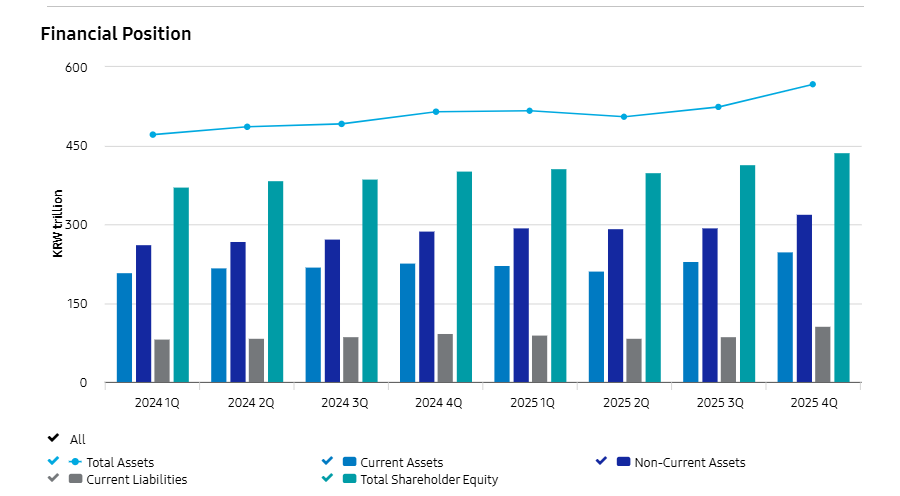
That said, analysts warn that some challenges remain. Rising costs for key materials, ongoing geopolitical tensions, and supply chain disruptions could influence future earnings. Consumer electronics pricing pressures may also shift as memory costs remain elevated.
Additionally, emerging technologies suggest markets may oscillate as new supply comes online later in 2026. However, for now, Samsung’s results reflect a clear and powerful demand surge driven by AI infrastructure buildouts.
Samsung Financials: What This Means for the Tech Industry?
How Does Samsung’s Profit Surge Reflect the Global Semiconductor Market?
Samsung’s massive profit jump highlights a broader shift in the global tech economy toward AI‑centric computing. Memory chips, especially DRAM and HBM, are now among the most demanded components for building AI data centers and training generative models at scale.
Samsung’s performance underscores that memory makers may capture the biggest earnings growth of the AI boom, even more than traditional logic or application‑specific chip makers. This trend aligns with forecasts suggesting memory‑focused companies could earn hundreds of billions in revenue from AI‑related demand in 2026.
Are Other Chipmakers Seeing Similar Trends?
Yes. Competitors like SK hynix have also reported strong demand for HBM chips, which power high‑performance computing tasks. In prior quarters, SK hynix saw significant revenue and profit jumps linked to memory demand, though the exact mix varies across companies. The shared industry pattern is clear: AI workloads are shifting the economics of semiconductors, driving investment in next‑generation memory and data center hardware.
Investors and analysts will watch whether this memory‑driven supercycle continues, and how quickly Samsung and others scale production to meet demand without eroding pricing power. External factors like new fabrication capacity, tariff changes, and geopolitical influences could all play roles in shaping future results.
Wrap Up
Samsung’s Q1 2026 profit surge shows how AI demand is transforming the semiconductor market. Memory chip shortages and rising prices fueled record earnings, highlighting Samsung’s strategic edge. The trend signals strong growth for AI-focused semiconductors, but future results depend on supply stability and market competition.
Advertisement
Frequently Asked Questions (FAQs)
Samsung’s profit rose eight times in Q1 2026 due to high demand for AI memory chips and higher prices.
The semiconductor division led Samsung’s Q1 2026 profit surge, mainly from DRAM and high-bandwidth memory chips for AI workloads.
The AI chip boom may continue boosting Samsung’s earnings through 2026, depending on supply, AI growth, and global market conditions.
Disclaimer:
The content shared by Meyka AI PTY LTD is solely for research and informational purposes. Meyka is not a financial advisory service, and the information provided should not be considered investment or trading advice.
Advertisement
What brings you to Meyka?
Pick what interests you most and we will get you started.
I'm here to read news
Find more articles like this one
I'm here to research stocks
Ask our AI about any stock
I'm here to track my Portfolio
Get daily updates and alerts (coming March 2026)