On April 8, 2026, the Reserve Bank of India (RBI) unveiled its first Monetary Policy Committee (MPC) decision of the fiscal year. The central bank forecasted India’s GDP growth at 6.9% for FY27, a slight moderation from previous years, while projecting headline inflation at 4.6%, a figure well within its comfort zone.
The RBI also chose to keep the policy repo rate unchanged at 5.25%, signaling a cautious stance amid rising global uncertainties and oil price pressures. Investors, businesses, and everyday borrowers are now watching closely to see how this outlook could shape markets, loans, and price trends in the months ahead.
Advertisement
What Did the RBI Announce in the April 2026 MPC Decision?
The Reserve Bank of India’s Monetary Policy Committee (MPC) met from April 6-8, 2026, to assess the latest economic data and set future monetary policy. On April 8, 2026, the RBI announced its key forecasts and policy stance.
The committee kept the policy repo rate unchanged at 5.25% and retained a neutral stance. This decision was unanimous and aimed at balancing inflation control with growth support. Analysts had widely expected this pause in rate changes, given the uncertainty from global factors like rising oil prices and currency pressure.
GDP Growth Forecast for FY27
The RBI projected real GDP growth at 6.9% for FY27. This forecast marks a moderation from the strong 7.6% growth recorded in FY26 but still places India among the fastest‑growing major economies globally. The central bank noted that while domestic demand remains relatively resilient, external headwinds and supply shocks could weigh on overall momentum.
Inflation Outlook for FY27
The MPC set the headline Consumer Price Index (CPI) inflation forecast at 4.6% for FY27. This projection sits comfortably within the RBI’s official target range of 2-6%. The RBI provided a quarterly breakdown for FY27 inflation for the first time, showing:
- Q1: 4.0%
- Q2: 4.4%
- Q3: 5.2% (peak)
- Q4: 4.7%
The central bank also estimates core inflation (excluding food and fuel) to be around 4.4%, signaling underlying price pressures beyond volatile components.
Why Did the RBI Maintain Its Neutral Policy Stance?
What Global Risks are Weighing on India’s Economy?
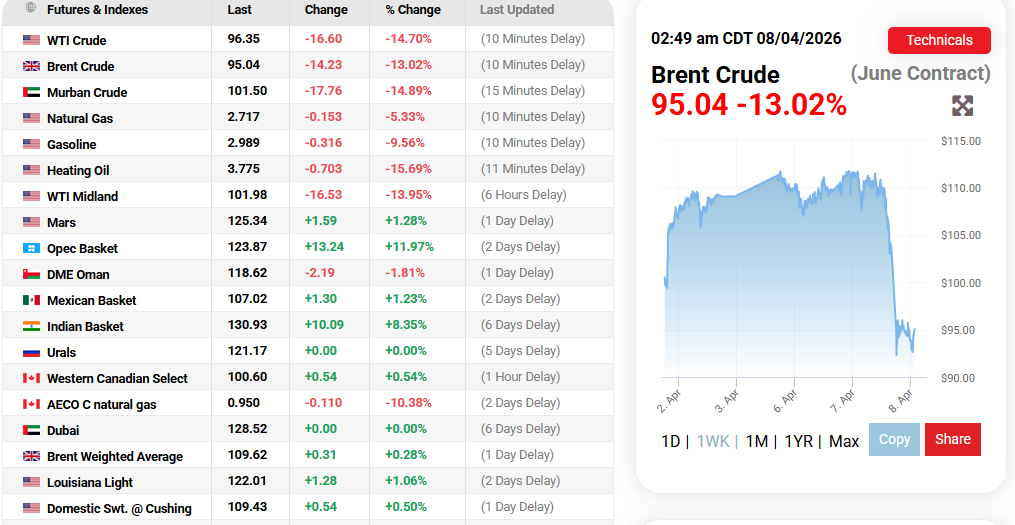
The RBI’s decision was heavily influenced by geopolitical uncertainties and global supply shocks. Ongoing tensions in West Asia have pushed crude oil prices above $100 per barrel, increasing imported inflation risks for India, a major oil importer. Rising energy costs can directly increase transport and production expenses, which then ripple through the economy.
The central bank also pointed to currency volatility, especially a weaker rupee, which can amplify inflationary pressures by making imports costlier. These global pressures make future monetary policy decisions more data‑dependent.
How Does the RBI Balance Growth with Inflation Control?
Domestic economic activity has shown resilience. Private consumption and services demand remain steady, supporting growth momentum. However, supply‑side inflation pressures from rising energy and commodity costs required caution. Keeping rates unchanged helps avoid premature tightening that could slow growth further.
The RBI chose a neutral stance, meaning it is neither firmly in a tightening mode nor easing mode. The central bank signaled that future actions will depend on incoming inflation and growth data, a prudent approach given current uncertainties.
How Do These Forecasts Compare With Past RBI Projections?
In the February 2026 MPC review, the RBI also held the policy repo rate at 5.25% and maintained a neutral stance as inflation remained low and growth appeared robust. At that time, quarter‑wise growth projections for FY27 were already around 6.9% and 7.0% for Q1 and Q2, respectively.
The updated forecasts reflect a slight revision from earlier outlooks due to more pronounced external headwinds, especially from rising crude prices and geopolitical events. Despite this, the full‑year GDP projection remains strong, and inflation is kept in check.
What Does the RBI’s Decision Mean for Borrowers and Markets?
For borrowers, the decision to hold the repo rate means that EMIs on existing loans are unlikely to rise immediately. A neutral policy stance also keeps borrowing costs stable in the near term, which may support continued demand for mortgages, auto loans, and business credit.
Financial markets reacted calmly. While equity markets typically welcome rate stability, bond yields have been influenced by global risk sentiment and crude price trends. The RBI also underlined its commitment to ensuring adequate liquidity in the banking system, which helps support credit flow to households and firms.
The use of an AI stock analysis tool can help investors interpret how monetary policy outcomes like the MPC decision might influence sectoral performance and interest‑sensitive stocks in the near term.
What are Analysts Saying About Future Policy Moves?
Economists broadly view the RBI’s pause as a prudent choice. Many expect that if inflation begins to trend sustainably above 6%, the RBI could shift from a neutral stance to a tighter one. Conversely, if inflation falls closer to the 4% target midpoint, rate reductions could be reconsidered. Analysts have specifically flagged oil prices and currency movements as key risk factors to monitor.
What Should Businesses and Consumers Watch Next?
The RBI will monitor several key indicators to guide future policy:
- Oil price trends and commodity costs
- Inflation prints over the coming months
- Rupee volatility and capital flows
- Global economic conditions affecting trade and supply chains
These data points will reveal whether price pressures ease or intensify. Markets and borrowers alike should stay alert to these early signals, as they will influence the RBI’s next move.
Wrap Up
The latest RBI MPC decision for FY27 reflects a careful balance. Growth is slowing moderately, but inflation remains within the target band. The neutral stance lets the RBI adapt to changing conditions without overreacting. Future moves will depend on real economic data and global trends. Readers should follow inflation prints and oil price trends closely to understand the next monetary policy shifts.
Disclaimer:
The content shared by Meyka AI PTY LTD is solely for research and informational purposes. Meyka is not a financial advisory service, and the information provided should not be considered investment or trading advice.
Advertisement
What brings you to Meyka?
Pick what interests you most and we will get you started.
I'm here to read news
Find more articles like this one
I'm here to research stocks
Ask Meyka Analyst about any stock
I'm here to track my Portfolio
Get daily updates and alerts (coming March 2026)