











Potential United States Rule Could Restrict Global AI Chip Sales by Nvidia and AMD
The U.S. government is weighing a major shift in how advanced artificial intelligence chips are sold around the world. In early March 2026, officials signaled that companies like Nvidia and AMD might soon need special U.S. approval to export their most powerful AI processors everywhere, not just to select countries.
This idea isn’t a ban, but it could change the rules of the game for global AI infrastructure and data‑center growth. The news has already rattled markets and sparked debate among tech leaders, investors, and policymakers about the future of American tech influence and global AI competition.
What Is the New U.S. Export Rule on AI Chips?
In early March 2026, U.S. officials drafted a sweeping new export licensing regime that could require nearly all artificial‑intelligence chips made by Nvidia and AMD to get U.S. government approval before they are sold abroad. This represents a significant shift from past rules that mainly targeted specific countries with limits. The new plan would treat global sales through a tiered licensing framework managed by the U.S. Department of Commerce’s Bureau of Industry and Security.
Under the proposal:
- Small shipments, such as up to 1,000 of Nvidia’s latest GB300 GPUs, would face a simplified review.
- Mid‑sized orders would need pre‑clearance and additional disclosures about business activities and customers.
- Massive deployments, those exceeding 200,000 chips in a single country, might require involvement from the host government with possible security guarantees and U.S. investment pledges.
The rules would not outright ban exports but could shape where and how AI infrastructure is built globally.
Why Does the U.S. Want to Control AI Chip Exports Worldwide?
The U.S. government says national security is the main reason. Officials want to ensure advanced AI hardware does not end up in the hands of adversaries or actors that could misuse it for military, surveillance, or strategic purposes. While previous export restrictions focused on China, Russia, and other blocklisted regions, the latest draft extends oversight to virtually every global destination, making Washington the gatekeeper of cutting‑edge AI computing power.
Experts argue that this approach could also:
- Strengthen the U.S. leverage in global technology policy.
- Encourage foreign investment in American AI data centers as part of export approvals.
- Shape the terms on which countries build or expand their AI capabilities.
These factors combine commercial strategy with security goals.
How Could This Affect Nvidia and AMD?
Stock Market Reaction and Short‑Term Impact
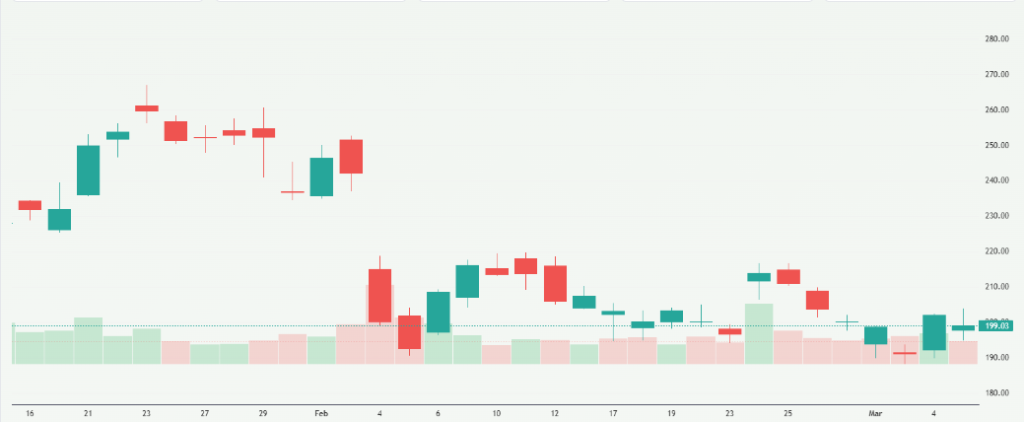
The initial market response was cautious. On March 5-6, 2026, Nvidia’s shares (NVDA) fell about 1.7-2.15%, while AMD (AMD) declined by roughly 2-2.9% after Bloomberg and Reuters reported the draft rules. These swings reflect investor concern that added licensing burdens could slow global chip sales and curtail growth expectations.

This downturn aligns with data from financial news outlets showing that semiconductor stocks reacted to uncertainty around regulatory shifts. If review timelines lengthen or oversight becomes stringent, revenue projections for AI accelerators could weaken.
Business Strategy and Long‑Term Concerns
NVIDIA and AMD have not publicly confirmed the draft rule’s final form. However, industry observers note that:
- NVIDIA’s AI‑focused GPUs and AMD’s accelerators are core drivers of data‑center demand worldwide.
- Complex licensing could delay deployments, making competitors or local solutions more attractive.
- Some analysts warn that bureaucratic oversight could push countries to seek alternatives outside U.S.‑controlled supply chains.
These dynamics could reshape competitive positioning in the global AI hardware market.
Will AI Infrastructure Buildouts Be Slowed?
Yes, if licensing becomes burdensome. Under the draft proposal, larger AI installations would need more than basic approval. They may require:
- Detailed disclosures about business models and customers.
- Potential on‑site inspections by U.S. officials before exports.
- Government‑to‑government assurances for massive deployments.
This layered review can slow timelines for data‑center builds and large AI projects, especially in countries without existing strong technology alliances with the U.S.
Regulators argue that oversight ensures technology is used responsibly. Critics warn that excessive checks could hinder innovation and widen the gap between tech leaders and followers.
How Does This Compare to Previous U.S. AI Chip Export Policy?
In the past few years, the U.S. has used targeted export controls to limit access to its most advanced AI hardware:
- In 2025, the U.S. administration extended restrictions on Nvidia’s H200 GPU and similar chips destined for China or high‑risk regions. These rules required export licenses and moved away from unconditional bans.
- These earlier controls aimed to curb China’s access to frontier AI processors while preserving allied relationships.
However, those past rules still primarily applied to specific countries or regions. The new 2026 draft goes further by applying a global licensing standard to nearly every sale worldwide.
In that context, the 2026 proposal marks the first time the U.S. government would manage AI chip exports globally rather than on a per‑country basis.
U.S. AI Chip Restrictions: Could This Influence Global AI Competition?
Absolutely. Restricting where high‑end AI chips can be sold gives the U.S. strategic influence. Countries seeking to build state‑of‑the‑art AI systems might face higher barriers if they rely on American technology. Some nations could:
- Pursue local AI chip development.
- Strengthen ties with alternative semiconductor producers.
- Build infrastructure using less regulated hardware sources.
This shift might accelerate efforts in Asia or Europe to develop independent AI ecosystems. At the same time, U.S. allies with strong security ties could benefit from priority approvals, encouraging deeper cooperation around AI research and deployment.
Conclusion
The proposed U.S. rule to require licenses for nearly all AI chip exports from Nvidia and AMD is more than a trade tweak. It could shift the balance of global technology leadership, influence data‑center projects, and redefine how countries compete in artificial intelligence.
As Washington finalizes the framework, industry watchers will be watching how the licensing system affects innovation, market growth, and international cooperation in AI development.
Frequently Asked Questions (FAQs)
The new U.S. draft rule would require approval for nearly all global sales of Nvidia and AMD AI chips, replacing limits that once applied to about 40 countries with worldwide licensing.
If the rule passes, Nvidia and AMD may face slower exports and extra approvals for global AI chip shipments. Stocks fell after the March 5-6, 2026, news on this plan.
The U.S. aims to protect national security by controlling where advanced AI processors go. Officials say this helps keep powerful technology out of risky hands.
Disclaimer:
The content shared by Meyka AI PTY LTD is solely for research and informational purposes. Meyka is not a financial advisory service, and the information provided should not be considered investment or trading advice.
What brings you to Meyka?
Pick what interests you most and we will get you started.
I'm here to read news
Find more articles like this one
I'm here to research stocks
Ask our AI about any stock
I'm here to track my Portfolio
Get daily updates and alerts (coming March 2026)