











Fuel prices affect millions of commuters and businesses every day. In India, petrol and diesel rates are updated daily by Oil Marketing Companies based on global crude oil prices and currency movements. As of March 11, 2026, fuel prices in most major cities remain largely stable despite ongoing volatility in international oil markets.
Petrol in New Delhi continues to hover around ₹94.77 per litre, while diesel stands near ₹87.67. However, prices vary from city to city because of different state taxes and transportation costs. Global crude oil trends and geopolitical tensions also play a key role in shaping domestic fuel rates.
If you plan to travel or manage transport expenses, checking the latest petrol and diesel prices today can help you stay prepared for any sudden changes.
Petrol, Diesel Prices in Major Cities – March 11, 2026
Fuel prices in India remained largely unchanged on March 11, 2026, despite fluctuations in global crude oil markets. Oil Marketing Companies update retail fuel rates daily based on global benchmarks and currency movements.
Below are the latest petrol and diesel prices in major Indian cities:
| City | Petrol Price (₹/L) | Diesel Price (₹/L) |
| New Delhi | ₹94.77 | ₹87.67 |
| Mumbai | ₹103.49 | ₹90.03 |
| Kolkata | ₹103.94 | ₹92.02 |
| Chennai | ₹100.80 | ₹92.39 |
| Bengaluru | ₹102.92 | ₹88.99 |
| Hyderabad | ₹107.46 | ₹95.70 |
| Jaipur | ₹104.72 | ₹90.21 |
| Lucknow | ₹94.69 | ₹87.80 |
Among major metros, Hyderabad and Kolkata continue to record some of the highest fuel prices, mainly due to higher state taxes. Meanwhile, Delhi remains among the cheapest metro cities for petrol.
Are Fuel Prices Increasing Today? Market Status
Is there a petrol or diesel price hike on March 11?
No major price change has been reported on March 11, 2026. Government sources confirmed that retail fuel prices remain stable despite volatile global oil prices.
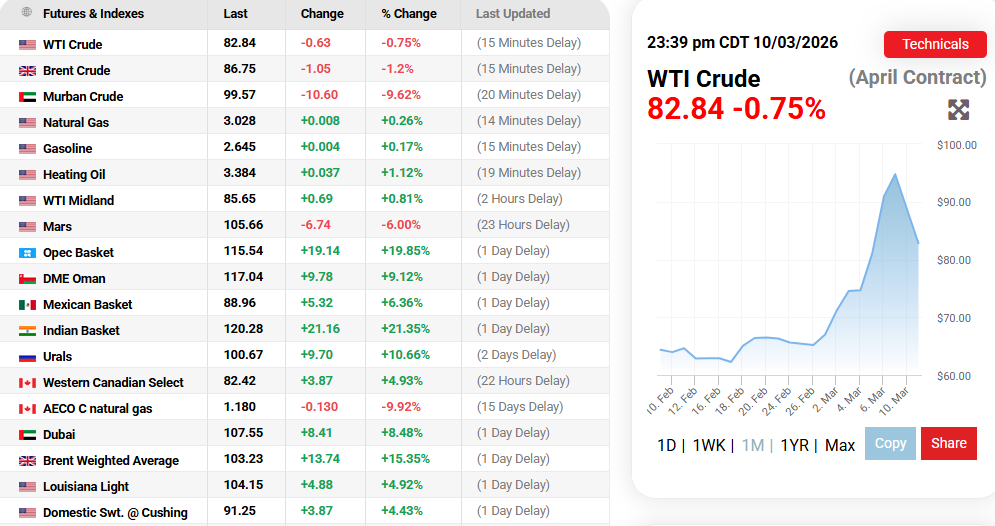
Crude oil prices recently hovered close to $87-$90 per barrel, which usually increases pressure on domestic fuel costs. However, oil companies appear to be absorbing short-term fluctuations instead of immediately raising pump prices.
Is there a fuel shortage in India?
Rumors of fuel shortages circulated in some cities earlier in the week. Authorities clarified that there is no shortage of petrol or diesel in the country.
Officials confirmed:
- Oil supply chains are functioning normally.
- Petrol pumps have adequate fuel stock.
- Panic buying was driven mainly by rumors.
Consumers are advised to rely only on official updates from Oil Marketing Companies.
Why Petrol and Diesel Prices Differ Between Cities?
Fuel prices in India vary significantly from city to city. Even a small difference in taxes or transport costs can change the final pump price.
How do state taxes affect fuel prices?
State governments impose Value Added Tax (VAT) on petrol and diesel. These tax rates differ across states. For example:
- Telangana and Maharashtra apply higher VAT rates.
- Union territories and some northern states have lower taxes.
This is why petrol in Hyderabad or Mumbai is much costlier than in Delhi.
What role do transportation costs play?
Fuel travels from refineries to fuel depots and petrol pumps. Cities located far from refineries often see slightly higher fuel prices due to transportation and freight charges.
What is dealer commission?
Petrol pump operators receive a commission per litre. This small fee is included in the final retail price.
Why does the US dollar exchange rate matter?
India imports nearly 85% of its crude oil needs. When the Indian rupee weakens against the US dollar, importing oil becomes more expensive. This can eventually push domestic fuel prices higher.
Global Factors Affecting Fuel Prices Today
Fuel prices in India are closely linked to developments in the global energy market.
How do crude oil prices affect petrol and diesel rates?
International crude oil benchmarks such as Brent crude and WTI influence domestic fuel pricing. On March 11:
- Brent crude traded around $87.57 per barrel.
- WTI crude hovered near $83 per barrel.
When crude prices rise, fuel retailers may eventually increase petrol and diesel prices.
Are geopolitical tensions impacting oil markets?
Yes. Recent tensions in West Asia (Middle East) have created uncertainty in global energy markets. Analysts warn that disruptions in oil supply routes could affect global crude availability and push prices higher in the future.
Why is India sensitive to global oil shocks?
India depends heavily on imported crude oil. Because of this:
- International supply disruptions can impact domestic fuel prices.
- Currency fluctuations also affect import costs.
Energy economists often use data tools and forecasting models to track these risks. In financial markets, similar analytics are used by platforms such as an AI stock analysis tool to interpret commodity and energy price trends that may affect listed oil companies.
Fuel Price Trends in Recent Days
How have petrol and diesel prices moved recently?
Fuel prices in India have shown very limited movement over the past few days. In several cities:
- Petrol prices stayed within a narrow range around ₹94-₹95 per litre.
- Diesel prices moved slightly between ₹87.8 and ₹88.3 per litre in some regions.
This stability suggests that oil companies are maintaining prices despite global fluctuations.
Why are fuel prices updated daily?
India adopted the daily fuel price revision system in June 2017. Under this system:
- Petrol and diesel prices are updated every morning at 6 a.m.
- Prices reflect global crude oil trends and exchange rates.
- Consumers receive more transparent and market-linked pricing.
This system replaced the earlier method where prices were revised every 15 days.
What Consumers Should Watch Next?
Fuel prices may remain stable in the short term, but several factors could trigger changes in the coming weeks. Key signals to watch include:
- Movement in global crude oil prices
- Government tax policy changes
- Rupee-dollar exchange rate trends
- Rising fuel demand during travel seasons
If crude oil moves closer to $90-$100 per barrel, analysts expect pressure on domestic fuel rates. Monitoring daily price updates will help consumers plan their travel and transport expenses more effectively.
Final Words
Fuel prices on March 11, 2026, remain largely stable across major Indian cities despite volatility in global crude oil markets. Differences in state taxes, transport costs, and currency movements continue to influence city-wise rates.
While no immediate hike has been announced, global oil trends and geopolitical developments could affect fuel prices in the coming weeks. Consumers should keep tracking daily updates released by oil marketing companies to stay informed.
Frequently Asked Questions (FAQs)
On March 11, 2026, petrol prices vary by city. Delhi is around ₹94.77 per litre, while Mumbai is about ₹103.49.
As of March 11, 2026, petrol and diesel prices remain mostly unchanged across India despite global crude oil fluctuations.
Fuel prices vary because of different state taxes, dealer commissions, transportation costs, and local VAT policies across Indian states.
Disclaimer:
The content shared by Meyka AI PTY LTD is solely for research and informational purposes. Meyka is not a financial advisory service, and the information provided should not be considered investment or trading advice.
What brings you to Meyka?
Pick what interests you most and we will get you started.
I'm here to read news
Find more articles like this one
I'm here to research stocks
Ask our AI about any stock
I'm here to track my Portfolio
Get daily updates and alerts (coming March 2026)