On March 9, 2026, global markets felt a sharp shock. Japan’s Nikkei 225 plunged more than 7%, tumbling to near 51,740 points as oil prices soared to about $114 a barrel, a level not seen in nearly 14 years. This sudden slide struck at the heart of Tokyo’s stock exchange early Monday, rattling investors and underscoring how quickly equity markets can turn when energy costs spike.
The surge in crude came amid ongoing disruptions in the Middle East, tightening supply, and fuelling fears of prolonged inflation and economic pain. With markets in Asia and beyond reeling, traders are now asking: What happens next?
Advertisement
Nikkei 225 Today: Numbers That Matter
On March 9, 2026, markets in Asia suffered a sell‑off as oil prices surged amid the ongoing conflict in the Middle East. Japan’s Nikkei 225 index plunged more than 7% during early trading, falling to around 51,740 points. This marked one of the steepest single‑day declines this year on Tokyo’s stock exchange. At the same time, crude oil surged to about $114.78 per barrel for Brent and similar levels for U.S. crude, hitting the highest levels in nearly 14 years.
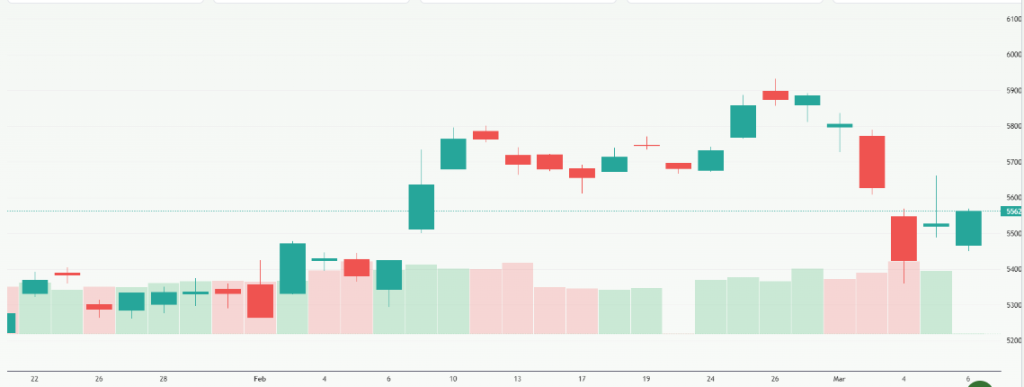
The losses were significant and fast. Many blue‑chip stocks in the export and industrial sectors led the decline as investors reacted to rising energy costs and fear of slowing economic growth.
Why Did Oil Prices Spike?
Oil prices jumped sharply due to escalating geopolitical tensions in the Middle East, particularly involving Iran and its key oil export routes. The ongoing conflict has led to supply anxiety and raised fears that shipments through the Strait of Hormuz, a critical artery for nearly one‑fifth of the world’s oil, could be interrupted.
As a result:
- Brent crude jumped over 20% from the previous week’s close.
- U.S. West Texas Intermediate (WTI) crude also broke above $114 per barrel.
- Traders priced in a prolonged supply disruption as regional nations cut production or faced storage shortages.
This sudden spike in crude prices triggered inflation fears for economies reliant on imported energy, like Japan.
How Do Rising Oil Prices Hit the Nikkei?
Japan is one of the world’s largest energy importers. It buys most of its crude oil from the Middle East. When oil prices jump, Japan faces higher costs for fuel, power, and manufacturing inputs. This can squeeze corporate profits and push up consumer prices.
Analysts point out the following effects:
- Higher crude costs erode profit margins for industries like transport, chemicals, and heavy manufacturing.
- Consumer spending may soften as energy costs rise.
- The Bank of Japan may delay expected rate actions if inflation pressures continue.
The steep fall in the Nikkei on March 9 underscored how sensitive the Japanese market is to global energy prices and supply risk.
What Happened in Other Asian Markets?
The sell‑off in Japan was not isolated. Other key Asian benchmarks also slid amid the spike in oil costs:
- South Korea’s Kospi fell sharply, with losses of 7-8%.
- Hong Kong’s Hang Seng and China’s Shanghai Composite moved lower.
- Regional investors fled risk assets, shifting to safer positions like the U.S. dollar.
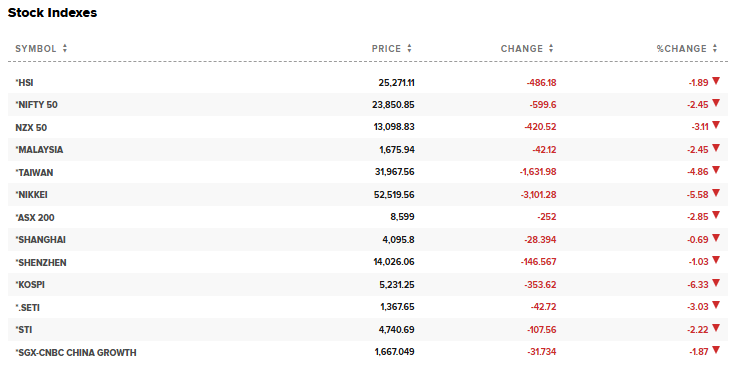
This broad pattern reflects global concern about inflation, slower economic growth, and regional instability.
How are Global Markets Reacting?
The shockwaves spread beyond Asia. In the United States, futures for major indexes, including the S&P 500, Nasdaq, and Dow Jones, were down more than 2%. Investors in Europe also showed caution as energy prices continued rising.
Market experts note that:
- The oil price surge has revived concerns of stagflation, a mix of slow growth and rising prices.
- Central banks, such as the U.S. Federal Reserve and the European Central Bank, may reassess their policy outlook in response to higher energy costs.
Tools like AI stock analysis have flagged high energy prices as a key risk factor for equities in energy‑importing economies. This has led some investors to reduce exposure to vulnerable sectors.
Nikkei 225: What Could Happen Next?
Experts say the market volatility could continue if geopolitical tensions persist. Important factors to watch include:
- Whether global oil supply routes, especially the Strait of Hormuz, remain open or face further disruption.
- Policy responses from the Bank of Japan and other central banks dealing with inflation pressures.
- Corporate earnings releases that may reflect the impact of higher energy costs.
If oil prices stay elevated, inflation could rise further and slow economic growth, especially in nations that rely heavily on imported crude.
Conclusion
The steep decline in the Nikkei 225 on March 9, 2026, was sparked by a sharp rise in global oil prices, driven by geopolitical conflict and supply fears. This event highlights how interconnected energy markets are with global equities. Investors should watch oil price trends, central bank actions, and corporate earnings in the coming weeks to gauge how markets may evolve under rising cost pressures.
Advertisement
Frequently Asked Questions (FAQs)
On March 9, 2026, the Nikkei 225 fell by over 7%. High oil prices at $114 per barrel and global market worries caused investors to sell stocks quickly.
Rising oil prices make business costs higher in Japan. Companies earn less profit, consumers spend less, and investors often sell shares, pushing stock indexes like the Nikkei 225 down.
Oil prices above $114 per barrel raise costs for production and transport. This can reduce business profits and consumer spending, slowing growth in Japan and other countries worldwide.
Disclaimer:
The content shared by Meyka AI PTY LTD is solely for research and informational purposes. Meyka is not a financial advisory service, and the information provided should not be considered investment or trading advice.
Advertisement
What brings you to Meyka?
Pick what interests you most and we will get you started.
I'm here to read news
Find more articles like this one
I'm here to research stocks
Ask our AI about any stock
I'm here to track my Portfolio
Get daily updates and alerts (coming March 2026)