On April 8, 2026, Japan’s Nikkei 225 surged more than 5%, marking one of its strongest single-day gains this year. The rally followed a sudden shift in global sentiment after the United States and Iran agreed to a temporary two-week ceasefire. Just days earlier, they were shaken by fears of a wider conflict and rising oil prices above $110 per barrel.
Now, crude has dropped sharply, easing pressure on energy-importing economies like Japan. Investors quickly moved back into equities, signaling renewed confidence. But is this rebound a true turning point or just a short-lived relief rally? The answer lies in how long this fragile peace holds.
Advertisement
What Triggered the Nikkei 225 Surge?
Ceasefire Announcement and Timeline
On April 7-8, 2026, the United States and Iran agreed to a temporary two-week ceasefire. The deal includes reopening the Strait of Hormuz, a key global oil route. Around 20% of the world’s oil supply flows through this channel.
The agreement paused planned military strikes and reduced immediate war risks. Talks for a longer peace deal are expected soon, possibly involving regional mediators.
Immediate Market Reaction – Why Did Stocks Jump Fast?
Markets reacted within hours. Investors shifted from fear to optimism.
- Japan’s Nikkei 225 jumped over 5% on April 8, 2026
- South Korea’s Kospi surged nearly 5.9%
- Global futures, including U.S. indices, moved higher
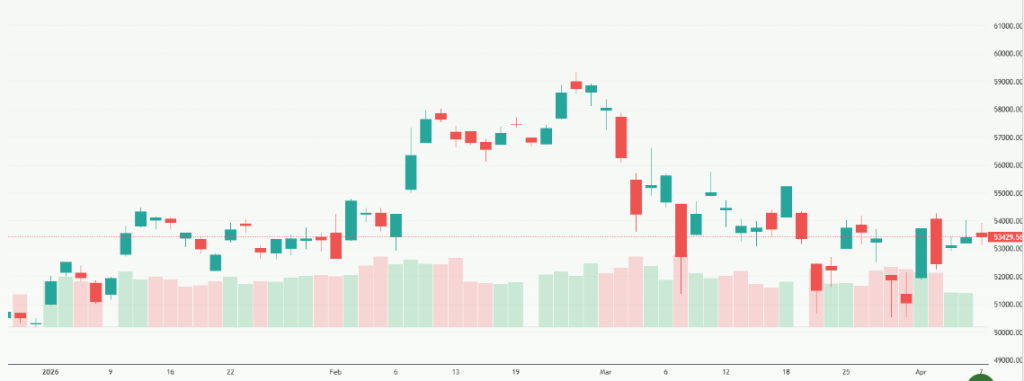
This rally reflects a classic “risk-on” sentiment, where investors return to equities after uncertainty drops.
Oil Price Crash – The Real Market Driver
Why Did Oil Prices Fall So Sharply?
Oil was the biggest trigger behind this rally. Prices dropped fast after the ceasefire news.
- Brent crude fell 13-15% to around $93-95 per barrel
- This marked one of the largest single-day declines since the Gulf War
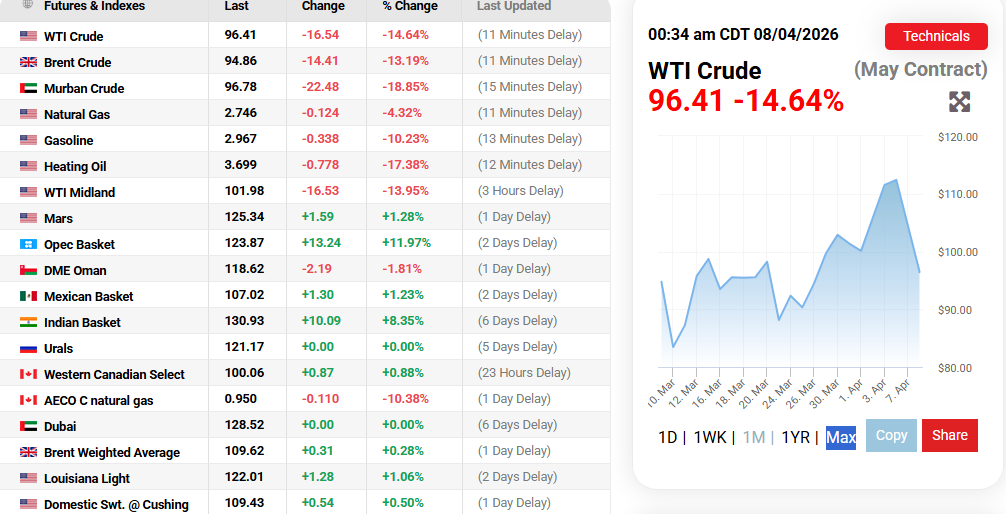
The reason is simple. Markets had priced in supply disruptions due to war. Once the ceasefire was announced, that risk premium disappeared.
Why Does Oil Matter So Much for Japan?
Japan depends heavily on imported energy.
- Around 90% of its oil comes from the Middle East
- High oil prices hurt companies and consumers
- Lower oil reduces production and transport costs
So, when oil prices fall, Japan’s economy gets immediate relief. That directly boosts stock prices.
Sector-Wise Winners in Nikkei Rally
Which Stocks Led the Rally?
The gains were broad, but some sectors performed better.
Technology and Semiconductors
- Strong demand outlook returned
- Global chip sentiment improved
Export-Oriented Companies
- Auto and industrial firms benefited
- Lower oil reduces costs and improve margins
Financial Stocks
- Risk appetite increased
- Investors moved money from bonds to equities
More than 90% of Nikkei stocks advanced, showing strong market-wide confidence.
Global Market Ripple Effects
How Did Asian Markets React?
The rally spread across Asia.
- Kospi: +5.9%
- Other Asian indices also gained as oil pressure eased
Markets that depend on energy imports reacted the most positively.
What Happened in the US and Europe?
- U.S. futures rose more than 2%
- Investors moved back into equities
- Bond yields softened slightly
This shows the event had a global impact, not just a regional.
What About Gold and Safe Havens?
Interestingly, gold prices still rose slightly. This signals that:
- Investors are still cautious
- The ceasefire is temporary, not permanent
Geopolitical Context – Why This Ceasefire Matters
What Caused the Crisis Initially?
The conflict lasted over six weeks and disrupted global energy markets.
- The Strait of Hormuz was partially blocked
- Oil prices crossed $110 per barrel earlier
- Global markets turned volatile
Japan’s Nikkei had even fallen by over 7% in March 2026 due to rising oil prices.
What are the Terms of the Ceasefire?
- Iran pauses military actions
- The U.S. delays planned strikes
- Oil shipping routes reopen
This creates short-term stability but does not solve deeper tensions.
Is the Ceasefire Stable?
No. It is fragile.
- Duration: only two weeks
- Infrastructure damage still affects supply
- Shipping risks remain
Experts warn that markets may turn volatile again if talks fail.
Investor Sentiment – Relief Rally or Real Recovery?
Why are Investors Optimistic Right Now?
- Immediate war risk reduced
- Oil prices falling
- Global growth concerns are easing
This creates a short-term bullish trend.
What Risks Still Exist?
- Oil supply may remain tight
- Global output could drop 3-5 million barrels per day long term
- Ceasefire could collapse
So, this rally may not be sustainable without a lasting agreement.
Nikkei 225 Forecast and Technical Analysis
Short-Term Stock Outlook (Nikkei 225)
- Current trend: Strong bullish rebound
- Resistance zone: Around recent highs near 55,000-56,000
- Support: Around 53,000 level
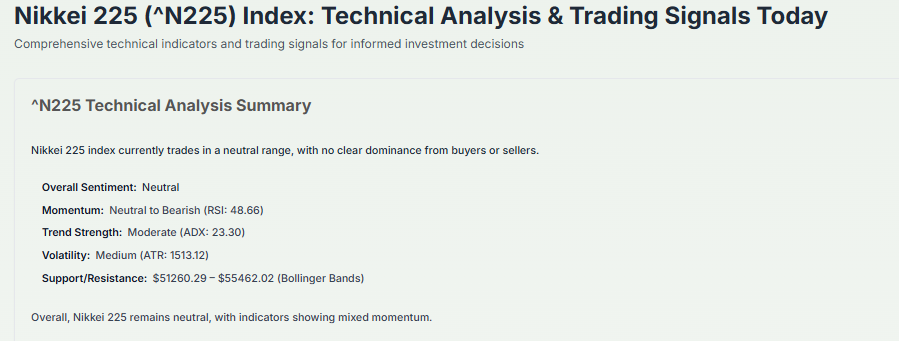
The index had dropped nearly 9% before this rebound, showing this is partly a recovery rally.
Technical Analysis Summary
- Momentum indicators show strong buying pressure
- RSI is likely moving toward overbought levels
- Volatility remains high due to geopolitical risk
What Meyka AI Stock Analysis Tool Says?
According to insights from AI-driven platforms like Meyka AI’s stock analysis tool, such rallies driven by macro news often face short-term pullbacks.
- Sentiment: Bullish but cautious
- Strategy: Watch oil prices and geopolitical updates
- Risk: High volatility in the coming sessions
What Other Analysts are Saying?
- Energy analysts warn that oil markets are still unstable
- Strategists highlight this as a “relief rally, not a trend reversal.”
- Long-term recovery depends on sustained peace
Key Trends to Watch Next
Investors should track these closely:
- Progress of peace talks in the coming days
- Stability of oil shipments through Hormuz
- Oil price movement below or above $100
- Central bank responses to falling energy prices
- Corporate earnings revisions in Japan
Any negative development can quickly reverse gains.
Final Words
The Nikkei 225 surge reflects strong relief after easing geopolitical tension and falling oil prices. However, the rally depends on fragile conditions. The ceasefire is temporary, and risks remain high. Investors should stay cautious and watch oil markets closely. A lasting recovery will only come with stable peace and a consistent energy supply in the global market.
Disclaimer:
The content shared by Meyka AI PTY LTD is solely for research and informational purposes. Meyka is not a financial advisory service, and the information provided should not be considered investment or trading advice.
Advertisement
What brings you to Meyka?
Pick what interests you most and we will get you started.
I'm here to read news
Find more articles like this one
I'm here to research stocks
Ask Meyka Analyst about any stock
I'm here to track my Portfolio
Get daily updates and alerts (coming March 2026)