











Netflix Pulls Out of Warner Bros. Bid, Clearing Path for Paramount Global
On February 26, 2026, Netflix officially stepped away from its bid for Warner Bros. Discovery, ending weeks of intense deal speculation. The decision came after Paramount Global, backed by Skydance, raised its offer, pushing the valuation far higher. For Netflix, the price no longer made financial sense. This move instantly reshaped the media merger race and cleared a smoother path for Paramount to move forward.
The news sent shockwaves across Hollywood and global markets. Investors reacted fast. Industry leaders took notice. Streaming rivals began to rethink their next moves. As competition tightens and consolidation speeds up, this single decision could redefine the future of entertainment. What happens next may change how content is created, distributed, and consumed worldwide.
Why Netflix Walked Away From the Warner Bros. Deal?
Price Escalation & Financial Discipline
On February 26, 2026, Paramount Skydance raised its bid to $31 per share, valuing Warner Bros. Discovery at $111 billion, including debt. Netflix had earlier agreed to $27.75 per share. Matching the higher price meant heavy financial pressure. Netflix leadership decided it was not worth the risk.
Co-CEOs Ted Sarandos and Greg Peters said the revised price made the deal “no longer financially attractive.” They stressed financial discipline and long-term shareholder value.
Netflix also avoided taking on excessive debt. Analysts noted that preserving capital allows Netflix to focus on content creation, AI-driven personalization, and gaming expansion instead of risky acquisitions.
Rising Regulatory Risk
Would regulators block the deal? This was a growing concern.
Lawmakers warned that merging Netflix with Warner Bros. Discovery could reduce competition. U.S. Senator Elizabeth Warren called it an “antitrust disaster.” The proposed deal faced strict scrutiny from:
- U.S. Department of Justice
- European Union regulators
- UK Competition and Markets Authority
Netflix saw prolonged legal battles as costly and uncertain. Analysts say exiting early avoided years of regulatory delays and political backlash.
What Paramount Global Is Gaining From This Mega Deal?
Which Assets Does Paramount Get?
Paramount Skydance is bidding for the entire Warner Bros. Discovery business, unlike Netflix, which wanted only studio and streaming assets.
If approved, Paramount will control:
- Warner Bros. Studios
- HBO and HBO Max
- CNN Global
- Discovery+
- Iconic franchises:
- Harry Potter
- DC Universe
- Game of Thrones
- Friends
This creates one of the largest content libraries in entertainment history.
How Is Paramount Financing This Deal?
Paramount’s bid is backed by:
- $45.7 billion equity from the Ellison family
- $57.5 billion in debt from major banks
- $7 billion regulatory breakup fee, showing strong confidence
Oracle founder Larry Ellison personally guaranteed a major portion of funding. This financial backing gives Paramount unmatched buying power. Market experts say this move could reshape Hollywood’s power balance for the next decade.
Impact on the Global Streaming Industry
Are Streaming Wars Entering a New Phase?
Yes. This deal changes everything. If approved, Paramount could merge:
- Paramount+
- HBO Max
- Discovery+
- CBS Network content
This would create a combined platform with 350+ million potential viewers worldwide, rivaling Netflix’s 325 million global subscribers.
Industry experts say streaming competition is shifting from growth to survival, where scale and content ownership matter more than ever.
How Does This Affect Netflix, Disney & Amazon?
Netflix now refocuses on:
- Original global content
- AI-driven recommendations
- Gaming content expansion
Disney+, Prime Video, and Apple TV+ may face higher content bidding costs and increased marketing pressure.
One AI stock analysis tool also noted that streaming stocks could remain volatile due to merger uncertainty and regulatory risks, pushing investors to focus on profitability metrics instead of subscriber growth.
Regulatory & Political Challenges Ahead
Will Regulators Approve This Mega Merger?
Approval is far from certain. The deal must clear regulators in:
- United States
- European Union
- United Kingdom
- Asia-Pacific markets
Lawmakers fear:
- Reduced media diversity
- Higher subscription prices
- Job losses
Senate hearings scheduled for March 2026 could delay approvals by months.
Is Politics Influencing the Deal?
Political links are drawing attention. Larry Ellison has known political ties, which critics say may influence regulatory outcomes. Lawmakers demand transparency to ensure fair competition. Experts warn political pressure could slow approvals and complicate global clearance.
Stock Market & Investor Reaction
How did markets respond?
- Netflix shares jumped over 10% after the exit
- Investors welcomed Netflix’s financial discipline
- Warner Bros. Discovery stock surged on deal clarity hopes
- Paramount stock saw short-term volatility
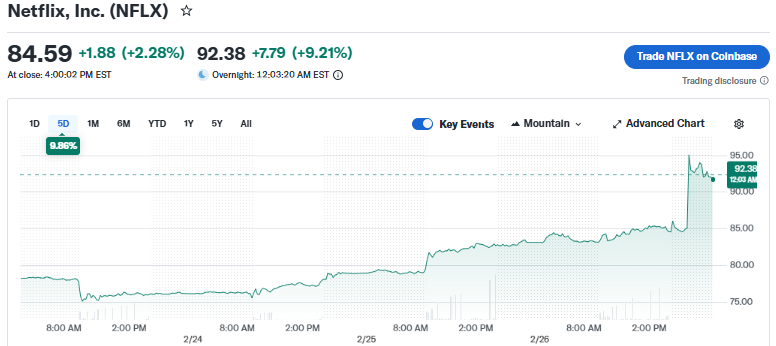
Market analysts believe Netflix avoided long-term risk while Paramount took a high-stakes bet for industry dominance.
What This Means for Viewers & Content Creators?
For viewers, the deal could mean:
- Bigger content libraries
- Unified streaming platforms
- Possible subscription bundles
But risks include:
- Higher subscription costs
- Reduced content diversity
For creators, the merger brings uncertainty. Job cuts, studio restructuring, and tighter budgets are possible. Still, larger platforms may offer better global exposure and bigger production funding.
Final Words
Netflix stepping away from Warner Bros. marks a major shift in the streaming world. Paramount now leads a historic merger, promising massive content and global reach. Viewers gain scale, but competition and costs may rise. Content creators face uncertainty, while streaming giants rethink strategy. The next months will reveal whether this deal reshapes entertainment or faces regulatory hurdles.
Frequently Asked Questions (FAQs)
Netflix left the Warner Bros. deal on February 26, 2026, because Paramount raised its offer. Netflix said the higher price did not fit its financial goals and plans for growth.
If approved, Paramount’s deal could unite big studios, shows, and platforms. This may create more content for viewers but could also raise subscription prices.
Regulators in the U.S. and other countries are reviewing the deal. They may delay or change it if they think it hurts competition or consumer choice.
Disclaimer:
The content shared by Meyka AI PTY LTD is solely for research and informational purposes. Meyka is not a financial advisory service, and the information provided should not be considered investment or trading advice.