











Micron Technology is making waves again in the global chip industry. On March 15–16, 2026, the U.S. memory giant completed its purchase of Powerchip’s Tongluo P5 site in Taiwan and revealed plans for a second, large new manufacturing facility at that very location.
This move isn’t just about more space. It’s a clear bet on booming AI‑driven demand for advanced memory chips like DRAM and HBM, where supply shortages have tightened markets worldwide. For investors, tech leaders, and memory makers, this signals a bold push by Micron to secure long‑term growth.
Want to know what this means for the future of semiconductor manufacturing? Keep reading.
Micron’s Taiwan Facility Expansion
What is Micron building in Taiwan?
Micron Technology has completed the acquisition of Powerchip Semiconductor Manufacturing Corporation’s P5 Tongluo site in Miaoli County, Taiwan. This includes about 300,000 square feet of existing 300 mm cleanroom space.
Micron began retrofitting this space in March 2026. The company now plans to build a second manufacturing facility on the same site. Construction on this new facility is expected to start by the end of fiscal 2026. The additional facility would add approximately 270,000 square feet of cleanroom space. Both facilities are part of Micron’s broader effort to boost DRAM and high‑bandwidth memory (HBM) production capacity to meet growing global demand.
How will the Taiwan facilities support production?
Micron says the Tongluo site will help expand the supply of leading‑edge DRAM products, including HBM. These memory chips are crucial for artificial intelligence systems, data centers, and high‑performance computing platforms.
Taiwan’s strong semiconductor ecosystem and supply chain make it an attractive location for advanced memory manufacturing. The company expects meaningful product shipments from the Tongluo facility beginning in fiscal 2028, after the retrofitting and phased build‑out are complete.
Why Taiwan is Key for DRAM and HBM Growth?
Why did Micron choose Taiwan?
Taiwan is home to a dense network of chip manufacturers, equipment suppliers, and materials partners. It also offers cost and logistical advantages due to its mature semiconductor industry.
Micron already has major operations near the Tongluo site in Taichung. The proximity allows easier coordination between fabs and supply lines. Taiwan’s government agencies have supported the acquisition and expansion, which helps secure smoother project execution.
What problem is Micron solving with this expansion?
Global memory supply continues to fall short of growing DRAM and HBM demand, especially from AI workloads. According to Micron’s own Q1 2026 market outlook, the industry is expected to see DRAM bit demand growth near 20 % and tight supply conditions through 2026.
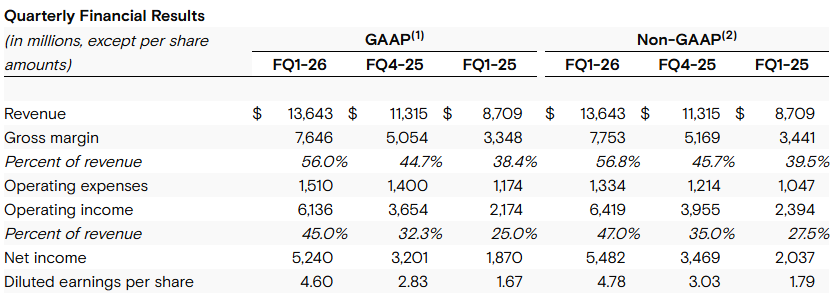
Micron has increased its capital expenditures to accelerate capacity expansion, including in Taiwan. This build‑up of cleanroom space directly addresses those pressures by increasing production potential for advanced memory types.
Market Reality: Demand and Supply Trends
Is memory demand really rising?
Yes. AI systems and large data centers require more advanced memory chips than traditional PCs or consumer devices. This has driven DRAM and HBM demand higher than production capacity. Recent market reports show major suppliers, including SK Hynix and Samsung, have HBM capacity largely sold out for 2026. This means even existing memory production cannot fully meet orders. Micron’s expansion in Taiwan is timely in the context of tight memory supply and rising prices.
How tight is the market?
Memory lead times have stretched, and contract prices for DRAM and other memory types have risen significantly. One industry market report indicates DDR4 and DDR5 lead times above 39 weeks, while HBM output has already been allocated to large enterprise customers. These conditions reflect the urgency behind capacity expansions like Micron’s new Taiwan facilities.
In this tight landscape, AI stock analysis tools and financial analysts alike view capacity additions as critical to rebalancing supply and demand in the longer term.
Strategic Impact: Competitors and Future Outlook
How does this affect Micron’s competitive position?
Micron is one of the few companies that can mass-produce both DRAM and HBM at scale. Its Taiwan expansion helps strengthen its global manufacturing footprint alongside other projects, like a large fab in Singapore and additional facilities in the U.S. These investments position Micron to better compete with rivals such as Samsung and SK Hynix.
What are the long‑term expectations?
Industry analysts see Taiwan’s role as increasingly central to memory supply, especially for AI‑centric chips. While the Tongluo site will not drive shipments until fiscal 2028, its cleanroom expansion and upcoming second facility lay the groundwork for future DRAM and HBM scaling. Continued investment in Taiwan and other regions reflects a long‑term view of meeting AI‑driven memory demand and maintaining technological leadership.
Micron Strategic Plan: Risks and Challenges
Micron’s Taiwan expansion is strategic, but not risk‑free. Construction timelines reaching into 2028 mean that additional capacity will take years to impact the market. There are also geopolitical and supply chain risks tied to heavy investment in Taiwan, where tensions between major world powers could affect operations.
Cleanroom build‑outs are complex and costly, and delays could push back production ramp-up. Furthermore, memory markets are cyclical; ramping capacity too fast can lead to oversupply if demand growth slows. Micron must balance timing and execution carefully to maximize the value of this Taiwan expansion.
Wrap Up
Micron’s expansion in Taiwan, marked by the Tongluo cleanroom acquisition and plans for a second facility, reflects a strategic response to booming AI‑driven memory demand and tight global supply. Over the coming years, this investment aims to strengthen DRAM and HBM capacity and reinforce Micron’s role as a key memory supplier.
Frequently Asked Questions (FAQs)
Micron is building a second facility at the Tongluo site. Production is expected to start in fiscal year 2028.
The new Taiwan facility will increase DRAM and HBM output, helping meet growing AI and data center memory demand in 2026.
Micron acquired the P5 site for faster setup and access to existing cleanrooms, saving time and costs as of March 2026.
Disclaimer:
The content shared by Meyka AI PTY LTD is solely for research and informational purposes. Meyka is not a financial advisory service, and the information provided should not be considered investment or trading advice.
What brings you to Meyka?
Pick what interests you most and we will get you started.
I'm here to read news
Find more articles like this one
I'm here to research stocks
Ask our AI about any stock
I'm here to track my Portfolio
Get daily updates and alerts (coming March 2026)