On April 8, 2026, Indian financial markets stunned traders with a powerful comeback. The BSE Sensex jumped nearly 3,000 points while the Nifty 50 closed just shy of the 24,000 mark. This sharp rise marked one of the biggest single‑day rallies in recent memory on Dalal Street. At the same time, the India VIX, a key fear gauge, plunged about 20 %, showing traders felt much less risk in the market than in the days prior.
The gains came as global tensions eased and oil prices tumbled. Investors swung from cautious to confident in a matter of hours. These sudden shifts make April 8 a must‑watch date for anyone tracking Indian equities.
Advertisement
Indian Stock Market Recap: Trading Session
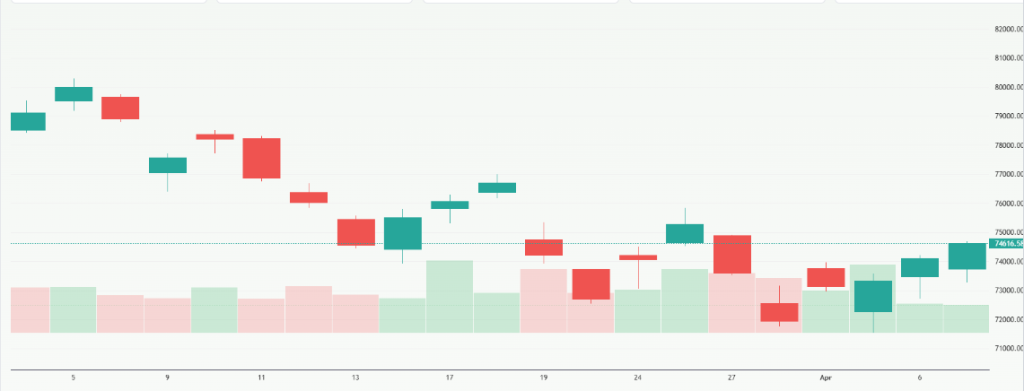
On April 8, 2026, Indian equity markets rallied sharply after days of volatility. The BSE Sensex surged about 2,900 points (nearly 4%) to close around 77,562.90, its strongest performance in several years. At the same time, the Nifty 50 climbed roughly 874 points (3.78%) to end at 23,997.35, nearing the 24,000 mark during the session. This session marked broad gains across mid‑cap and small‑cap indices, both rising over 4 % on strong buying interest.
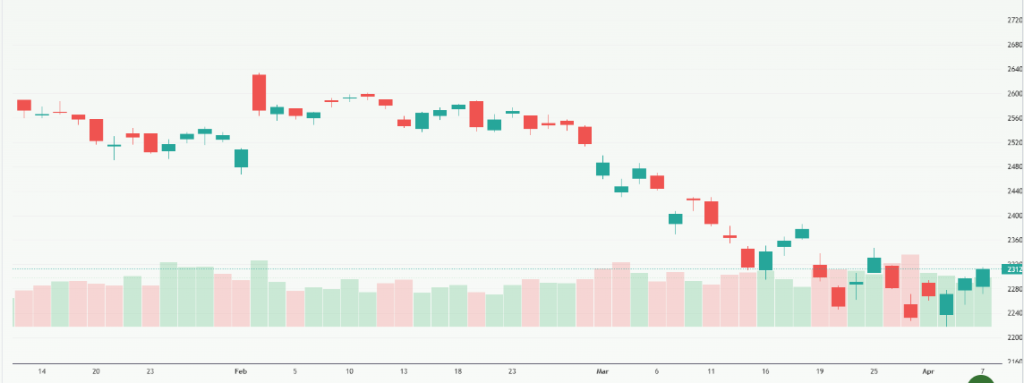
Market breadth was wide, with all major sectors participating. Traders noted strong momentum driven by global and domestic catalysts, pushing indexes to multi‑session highs and adding significant market value in a single trading day.
What Triggered the Rally? Top Market Catalysts
Why Did Benchmark Indices Jump So Sharply?
The biggest trigger for the April 8 rally was news of a temporary ceasefire between the United States and Iran. The truce reduced geopolitical risk, which had been a major dampener for global and Indian markets. This development boosted risk appetite and encouraged buying across asset classes.
Another key factor was a steep drop in global crude oil prices, which fell below $100 per barrel in early trade after the ceasefire news. India is a major crude importer, so lower fuel costs ease inflation and improve corporate earnings expectations, especially in sectors like airlines, autos, and consumer goods.
Beyond these, investors reacted to positive cues from international stock markets, a strengthening rupee, and expectations that the Reserve Bank of India (RBI) would maintain its policy stance without surprise tightening.
“India VIX Crashes” – What Does This Mean?
The India VIX, a key measure of expected market volatility fell nearly 19-20 %, sliding into the high teens during active trade. A lower VIX indicates reduced fear among traders and investors.
This decline in volatility signals that markets are pricing in lower risk in the short term, which often accompanies strong rallies. Lower volatility also tends to reduce option premiums, encouraging additional buying in equities.
Sensex Sector Performance & Stock Highlights
Which Sectors Led Gains?
On April 8, gains were broad‑based:
- Financials outperformed, with major banks leading buying interest.
- Auto and realty sectors also showed strong gains as sentiment improved.
- Small‑cap and mid‑cap stocks experienced some of the strongest upside moves, reflecting broad market participation.
Which Individual Stocks Moved?
Some specific stocks stood out in Thursday’s rally:
- ICICI Bank climbed over 5 %, outperforming the broader market, indicating renewed confidence in banking equities.
- Power Grid Corporation of India underperformed its peers, sliding slightly even as the broader market rallied.
- Analysts from The Times of India suggested stocks such as Birlasoft, Bajaj Holdings, and Gujarat Ambuja Exports as names to watch based on both technical and fundamental outlooks for the day.
Technical & Sentiment Signals: What Traders Are Watching
What are Key Index Levels?
Technical analysts note that Nifty 50’s strong gain near 24,000 puts the index close to major resistance zones. Sustained momentum above this level could shift market structure toward a short‑term upward trend, while support remains near prior breakout points around 23,200-23,400.
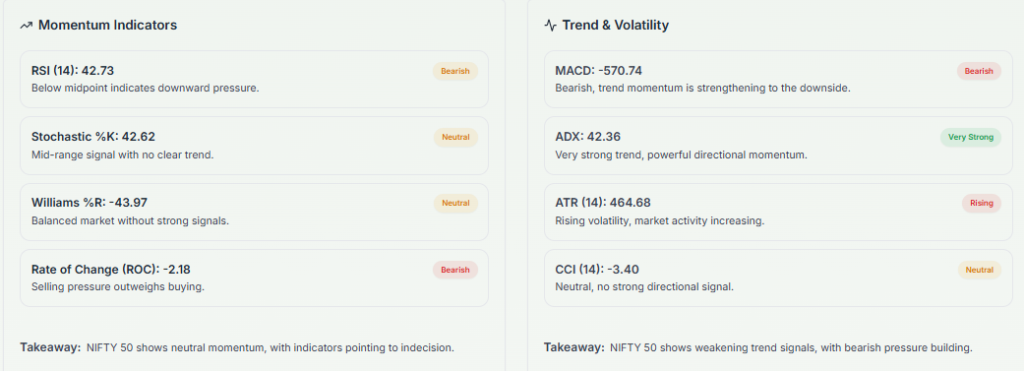
Options markets also show positioning where put writers are active, suggesting traders are setting a floor around key levels as volatility falls.
What About Market Breadth and Sentiment?
Volatility collapse and broad sector gains reflect improved sentiment. That said, some analysts caution that if geopolitical developments reverse, markets could quickly retrace gains, making vigilance important.
What Meyka Says – Short Stock Details & Market Context
Meyka’s AI‑driven market data showed that broader Indian equities were in a cautiously bullish phase before April 8’s session, with the Nifty index in consolidation and technical indicators like RSI and MACD signaling mixed momentum. Support levels around 22,200 were identified as critical for trend continuation.
Meyka’s real‑time AI stock analysis tool also highlights how individual stocks can rally with liquidity changes and strong global cues, reinforcing the role of external factors in driving intraday and short‑term market moves.
Broader Market Context: Recent Momentum Before April 8
In the days leading up to April 8, markets showed signs of a recovery from earlier volatility. For example, on April 7, 2026, the Sensex advanced over 500 points and the Nifty closed above 23,100, led by strength in IT and other sectors.
This series of gains reflected a shift from fear to selective buying, with investors looking for opportunities after earlier sell‑offs tied to geopolitical risks and oil price surges in prior weeks.
Market Risks & What Could Change the Trend
While April 8’s rally was powerful, risks remain:
- Geopolitical uncertainty still exists if ceasefire talks break down.
- Oil price rebounds could quickly reverse sentiment.
- Policy decisions from RBI and global central banks could impact liquidity conditions and cost of capital.
These factors make it essential for investors to monitor broader macro trends and use disciplined risk management.
Final Words
The April 8, 2026 market rally shows how quickly sentiment can shift when geopolitical risks ease and major cost drivers like oil prices decline. With indices nearing key levels and volatility retreating sharply, short‑term traders and long‑term investors are reassessing strategies. Stay alert to geopolitical developments, policy cues, and technical signals for the next moves on Dalal Street.
Disclaimer:
The content shared by Meyka AI PTY LTD is solely for research and informational purposes. Meyka is not a financial advisory service, and the information provided should not be considered investment or trading advice.
Advertisement
What brings you to Meyka?
Pick what interests you most and we will get you started.
I'm here to read news
Find more articles like this one
I'm here to research stocks
Ask Meyka Analyst about any stock
I'm here to track my Portfolio
Get daily updates and alerts (coming March 2026)