











Korean Currency Trends Mirror Japan Amid Declining Ties with China, United States
In early 2026, the South Korean won began moving more closely with the Japanese yen than with China’s yuan. Recent financial data shows their correlation rising sharply, signaling a shift in regional currency dynamics. This trend comes as South Korea’s trade balance with China weakens and uncertainty grows around U.S. economic policy.
At the same time, Japan’s prolonged low interest rates and weak yen are influencing broader Asian markets. Investors are now paying closer attention to how these two export-driven economies respond to global pressures. The big question is clear: why is the Korean won mirroring the yen, and what does this mean for future currency trends?
Rising Won-Yen Correlation Signals Structural Shift
What does the latest data show about the won-yen relationship?
Recent data from the Bank of Korea in March 2026 shows a sharp rise in the correlation between the South Korean won (KRW) and Japanese yen (JPY). The correlation increased from around 0.35 in early 2024 to nearly 0.53 in 2025. This is a significant jump. It means both currencies are now moving more closely together in global markets.
At the same time, the won’s correlation with the Chinese yuan remains lower, near 0.42. This signals a clear shift. Markets now link Korea more with Japan than China in currency behavior.
Why is this shift important for markets?
This trend shows a bigger structural change. It suggests both countries are reacting to similar global forces. These include interest rates, export demand, and capital flows. It also means investors now treat Korea and Japan as similar economic blocs. This can impact currency forecasts, trade expectations, and investment strategies.
Declining Economic Dependence on China
Is South Korea reducing reliance on China?
Yes. Data shows a clear shift since 2023. China remains South Korea’s largest trading partner, with trade exceeding $300 billion annually. However, the trade balance changed. South Korea moved from a surplus to a deficit with China in 2023. This change reflects weakening demand from China and rising competition from Chinese manufacturers.
How are supply chains changing?
Before COVID-19, South Korea exported intermediate goods to China. China then assembled and exported finished products. This model is now weakening. Korean firms are diversifying supply chains. They are shifting production to Southeast Asia, India, and the United States. This reduces reliance on China.
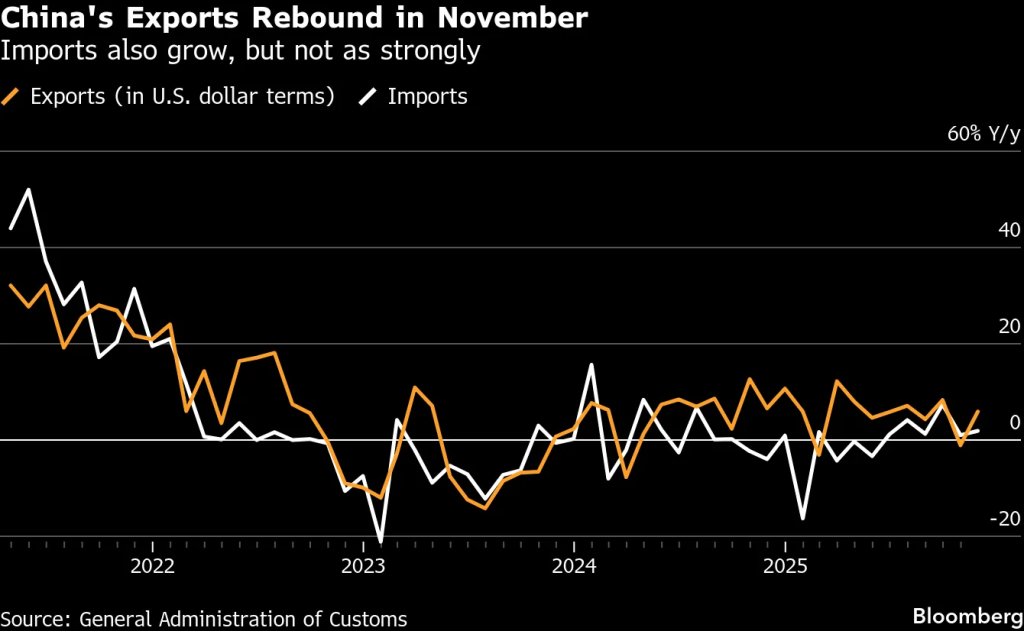
China’s growing global surplus, which crossed $1 trillion in 2025, has also increased competition. Korean exporters now face pressure in key sectors like electronics and machinery.
U.S. Trade Tensions and Policy Uncertainty
How are U.S.-Korea relations affecting the currency?
Trade tensions remain a concern. Disputes in autos, semiconductors, and steel continue into 2026. U.S. industrial policy and subsidies have added pressure on Korean exporters. At the same time, policy uncertainty in Washington is affecting investor confidence. This leads to volatility in capital flows.
Why is the won weakening despite strong fundamentals?
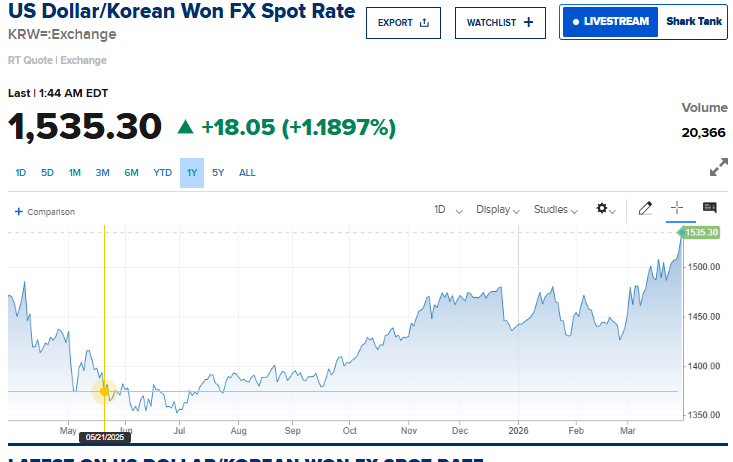
In January 2026, the U.S. Treasury noted that the Korean won appeared weaker than expected based on economic fundamentals. The reason is simple. Currency markets now react more to global capital flows than trade data. A strong U.S. dollar and higher U.S. interest rates attract global funds. This puts pressure on Asian currencies, including the won.
Japan’s Yen Weakness as a Leading Indicator
Why is the yen so weak in 2026?
The Japanese yen remains under pressure due to ultra-low interest rates. In March 2026, the yen traded near 160 per U.S. dollar. This is close to multi-decade lows. Japan continues its loose monetary policy, while the U.S. keeps rates higher. This creates a large interest rate gap. Investors borrow yen cheaply and invest in higher-yield assets. This is known as the carry trade.
How does yen weakness affect the Korean won?
Investors see both Korea and Japan as export-driven economies. When the yen weakens, the won often follows. Both countries depend on global demand. They both import energy. Both compete in electronics and automobiles. This similarity causes their currencies to move together.
What policy steps are being taken?
Japan has hinted at possible interventions to stabilize the yen. These include verbal warnings and potential market action. South Korea has taken fiscal measures. In March 2026, the government expanded fuel tax cuts and introduced market stabilization steps.
Export Boom vs Currency Weakness Paradox
Are Korean exports growing in 2026?
Yes. South Korea’s exports surged in early 2026. March exports rose nearly 44.9% year-over-year. This is one of the fastest growth rates in five years. Semiconductor exports jumped by over 160%, driven by strong AI demand.
Why is the currency still weak?
This seems confusing, but the reason is clear. Currency value depends more on capital flows than on exports. Rising oil prices increase import costs. This weakens the trade balance. At the same time, global investors prefer the U.S. dollar during uncertainty. This reduces demand for the won.
Energy Prices and Geopolitical Shocks Driving Currency Trends
How do oil prices affect the Korean won?
South Korea imports around 70% of its oil from the Middle East. This makes it highly sensitive to energy prices. When oil prices rise, import costs increase. This weakens the currency. It also raises inflation risks.
What role do geopolitical tensions play?
Recent tensions in the Middle East, including the Iran conflict in early 2026, have increased market volatility. These events impact both the Korean won and Japanese yen. Investors move toward safe assets like the U.S. dollar. This creates pressure on Asian currencies.
Financial Market Convergence Between Korea and Japan
Are investors treating Korea and Japan as one market?
Increasingly, yes. Global investors now group Korea and Japan together in portfolio strategies. This is due to similar economic structures. Both are export-heavy. Both are sensitive to global cycles.
What role do interest rates play?
Interest rate differences with the U.S. are a key factor. Both Korea and Japan have lower rates compared to the U.S. This encourages capital outflows. It also creates opportunities for currency trades and arbitrage. According to ING Think (2026), these dynamics are creating new investment opportunities in Northeast Asia.
What does this mean for Global Investors?
What should investors watch now?
Investors should track the USD/JPY pair closely. It often signals the direction of the Korean won. They should also monitor oil prices, U.S. interest rates, and global risk sentiment.
What strategies are emerging?
Currency hedging is becoming more important. Volatility is expected to stay high in 2026. Export sectors like semiconductors remain strong. However, currency risks must be managed carefully.
Using an AI stock analysis tool can help investors track currency-linked stocks and identify trends faster. Analysts from Reuters and ING suggest that the won may continue to mirror the yen in the near term. This trend could shape Asia-focused investment strategies going forward.
Final Words
The Korean won is no longer moving independently. Its growing link with the Japanese yen reflects deeper global shifts in trade, capital flows, and geopolitics. As ties with China weaken and U.S. uncertainty rises, Korea’s currency is driven more by global forces. For investors, this trend highlights rising volatility and new opportunities in Northeast Asia’s evolving financial landscape.
Frequently Asked Questions (FAQs)
In 2026, both currencies react to global rates, exports, and capital flows, making the Korean won move closely with the yen.
As of March 2026, a strong US dollar and high interest rates may keep the Korean won under pressure in the short term.
In 2026, weaker China trade and US policy uncertainty reduce investor confidence, leading to volatility and pressure on the Korean won.
Disclaimer:
The content shared by Meyka AI PTY LTD is solely for research and informational purposes. Meyka is not a financial advisory service, and the information provided should not be considered investment or trading advice.
What brings you to Meyka?
Pick what interests you most and we will get you started.
I'm here to read news
Find more articles like this one
I'm here to research stocks
Ask our AI about any stock
I'm here to track my Portfolio
Get daily updates and alerts (coming March 2026)