











Japan stocks faced a shock on March 9, 2026, as major indexes sank sharply and investor fear spiked. The benchmark Nikkei 225 plunged over 6%, marking the deepest slide since last year’s tariff‑related rout, as global oil prices climbed past $100 per barrel amid escalating conflict involving Iran and Western forces.
This sudden sell‑off came as markets digested rising crude costs and growing worries that the Iran war could disrupt energy supplies long‑term. With Japan heavily reliant on Middle Eastern oil, the blow to equities isn’t just numbers on a screen; it signals deeper economic stress.
Read on to understand how this market turmoil unfolded and what it means for investors and the broader economy.
What Happened: Market Moves That Shook Japan Stocks
How sharply did Japanese stocks fall Today?
On March 9, 2026, Japan’s major stock indexes sank in a sudden sell‑off. The Nikkei 225 fell about 6.9%, its steepest drop since April 2025 tariff turmoil. The broader Topix index also slid, down roughly 5.6%, marking one of the worst single‑day declines in months. Many blue‑chip tech and exporter names led the fall.
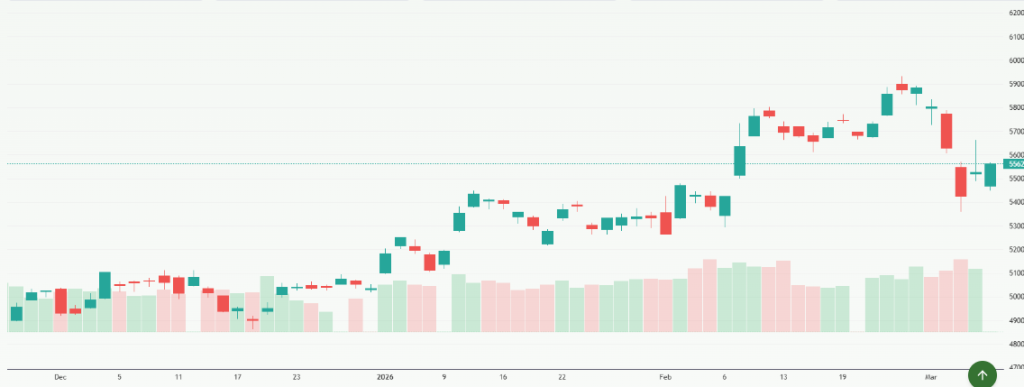
This steep drop pushed the benchmark to its weakest level in almost two months, falling from recent peaks near 58,000 earlier in February to around 51,700-52,000 points.
Investor fear gauges in Japan climbed sharply, hitting elevated levels not seen since the COVID crisis, as traders scrambled to hedge losses.
What were the top sectors hit hardest?
Technology and export‑heavy sectors were among the worst affected. Companies such as Advantest, SoftBank Group, Tokyo Electron, and Fujikura saw double‑digit percentage drops. Financial and consumer stocks also lost ground. In contrast, energy‑related names experienced small gains on rising crude.
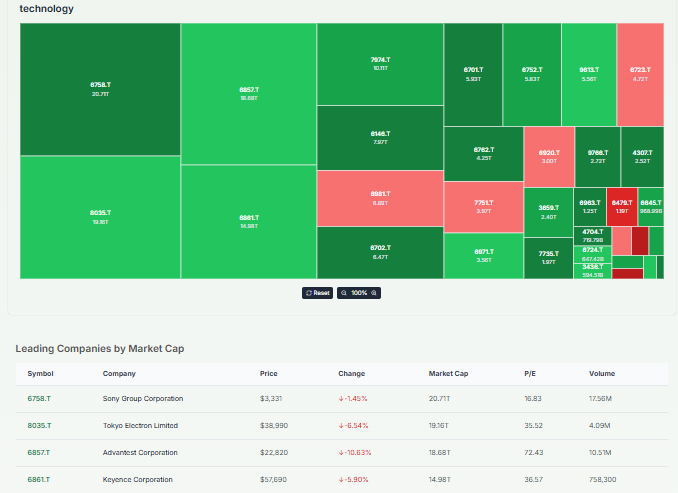
This stark sector split reflects how higher energy costs and weaker growth sentiment hit profit outlooks for many companies.
Why Oil Prices Spiked, Iran War & Geopolitical Risks?
Why are oil prices rising so fast?
Oil prices surged dramatically amid escalating conflict between the US‑Israeli alliance and Iran. Brent crude passed $110-$115 per barrel, its highest in over three years, as disruptions in the Middle East tightened global supply expectations.
Violence escalated after Iran named a new Supreme Leader and launched counter‑attacks in the region, including against Gulf oil infrastructure, heightening uncertainty about future supplies.
Analysts warn that shipments through the Strait of Hormuz, a critical passage for about 20% of world oil, could remain constrained if fighting persists.
How does this affect Japan directly?
Japan imports roughly 90-95% of its crude oil from the Middle East, a share higher than most major economies. When oil prices rise sharply, production and transport costs increase. This pushes inflation higher. That, in turn, dims expectations for corporate earnings and consumer spending. The yields on Japanese government bonds also rose as energy worries increased inflation expectations.
Economic & Corporate Impact Across Japan
How might rising oil prices affect inflation and consumers?
Higher crude costs feed directly into Japan’s economy. Energy, transport, and manufacturing sectors face rising input costs. This could push inflation higher, reducing consumer buying power and slowing economic growth. Analysts see risks of stagflation, slow growth with high inflation, if prices stay elevated.
Prime Minister Sanae Takaichi acknowledged the strain of rising fuel costs on households and said the government may use strategic oil reserves to cushion the impact. Opposition leaders also suggested using more nuclear energy to offset oil shocks and cut electricity costs.
What is the corporate impact?
Rising oil prices hit earnings forecasts for many companies. Exporters are particularly vulnerable because energy costs make production more expensive while demand may slow. Tech companies, especially semiconductor‑related firms, saw some of the sharpest losses as markets priced in weaker economic activity.
Energy producers and commodity firms saw smaller gains. This reflects classic market rotation into sectors that benefit from higher commodity prices.
Market Outlook & Analyst Forecasts for Japan Stocks
What do analysts see for the near term?
Market experts say volatility is likely to continue until the Middle East conflict settles. Investors are unsure about how long oil disruptions will last. This uncertainty keeps selling pressure high.
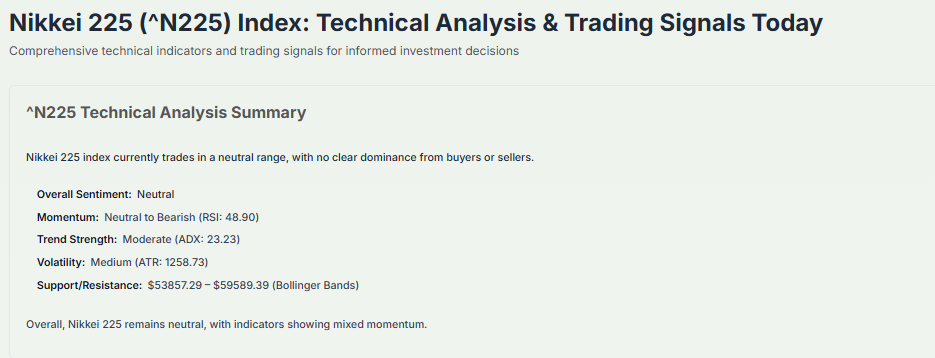
Technical analysts also point to bearish signals on the Nikkei 225, with several indicators suggesting a short‑term sell bias. Short‑term Relative Strength Index (RSI) and MACD values lean negative, according to global market data.
Still, some expect minor bounces if crude prices stabilize and the Bank of Japan’s yield curve supports equities in the short run.
What are longer‑term forecasts saying?
According to AI forecast models from Meyka, the Nikkei 225 could see varied trajectories in the coming quarters and years. The 1‑month outlook is slightly bullish, but longer forecasts suggest potential weakening before recovery.
The model indicates possible support around medium‑term price points and resistance levels that might lead to consolidation or recovery if geopolitical pressures ease.
Analyst polls before the recent turmoil had predicted the Nikkei could return to higher levels near 60,000 by mid‑2027 based on earnings growth and foreign inflows.
Closing Note
Japan’s stock market rout reflects a sudden collision of rising oil prices, deepening geopolitical conflict, and investor risk aversion. With unmatched dependency on imported energy and growing inflation fears, the Nikkei’s sharp drop shows how fragile markets can be during times of global stress.
As traders and policymakers watch developments closely, all eyes remain on how the Middle East war unfolds and what that means for Japan’s economic path.
Frequently Asked Questions (FAQs)
Japan stocks fell on March 9, 2026, because oil prices jumped above $110. Higher oil costs raise business expenses and lower investor confidence, causing many traders to sell shares.
The Iran conflict raised worries about oil supply. Japan buys most of its oil from the Middle East. This fear hit stocks and made markets unstable in early March 2026.
High oil prices can raise the cost of goods and fuel. This may increase inflation. If prices stay high for long, it could slow economic growth in Japan after March 2026.
Disclaimer:
The content shared by Meyka AI PTY LTD is solely for research and informational purposes. Meyka is not a financial advisory service, and the information provided should not be considered investment or trading advice.
What brings you to Meyka?
Pick what interests you most and we will get you started.
I'm here to read news
Find more articles like this one
I'm here to research stocks
Ask our AI about any stock
I'm here to track my Portfolio
Get daily updates and alerts (coming March 2026)