The Indian rupee surprised markets on April 8, 2026, as it opened sharply stronger against the US dollar, trading around ₹92.64/$ after a brutal slump just a day earlier. This INR to USD sudden strength was driven by a steep crude oil price crash, which eased import cost fears for India’s energy‑hungry economy and lifted risk appetite across Asian markets.
Currency traders were taken aback by the quick turnaround, especially after the rupee had weakened throughout March amid geopolitical volatility and foreign capital outflows. With fresh momentum early in the session, the move raised hopes of short‑term relief for importers, inflation expectations, and everyday costs tied to fuel and goods priced in dollars.
Advertisement
INR to USD: What’s Driving the Rupee Rally Today?
The Indian rupee strengthened sharply against the US dollar as markets reacted to a major global event. Following a ceasefire agreement between the United States and Iran, crude oil prices plunged by roughly 14%, easing inflation fears and boosting risk sentiment in global markets.
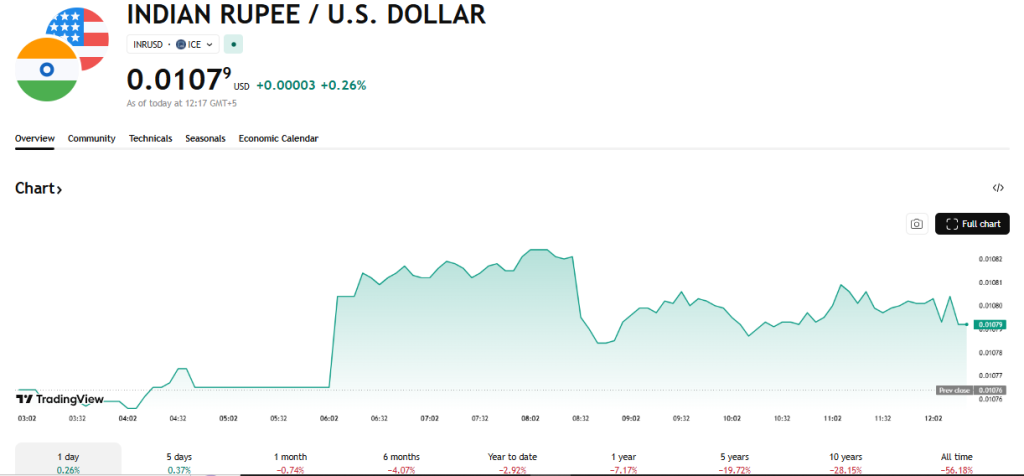
The rupee rallied to around ₹92.62-₹92.64 per USD on April 8, 2026, compared with levels above ₹93 earlier in the week, reflecting strong early‑session gains. Forward currency volatility also eased substantially, with one‑year implied rates dropping sharply as traders adjusted to lower geopolitical risk. This sudden move shows how tightly the Indian currency is linked to energy prices and global risk appetite.
Why Did the Rupee Strengthen So Quickly?
Lower Crude Prices and Reduced Import Costs
India imports nearly all of its crude oil, so sharp falls in global oil prices directly reduce demand for dollars. The recent drop in Brent and WTI crude prices after de‑escalation in West Asia cut expected import costs, which can help contain inflationary pressures and reduce the current account deficit. As oil demand fears eased, emerging‑market assets rallied, and the rupee appreciated against regional peers.
Better Risk Sentiment Across Markets
The ceasefire boosted risk‑on sentiment. Major equity benchmarks, including the Sensex and Nifty 50, jumped sharply following the news, with Sensex seeing intraday gains of over 2,800 points. These rallies signal improved investor confidence, reducing safe‑haven demand for the dollar and strengthening the rupee.
How Has the Rupee Trended This Week?
The rupee has seen wide swings in recent days before this rally:
- April 6, 2026: The rupee gained as much as 33 paise to around 92.85 early in trade after the RBI tightened speculative trading rules.
- April 7, 2026: The pair moved around 93.00-93.28, pressured by rising crude prices and a strong dollar amid geopolitical uncertainties.
- April 8, 2026: The dramatic oil price drop triggered renewed strength, lifting the opening rate to ₹92.64.
This pattern shows how external developments and RBI measures have both played roles in determining short‑term currency moves.
What Role Has the RBI Played?
How Is RBI Trying to Stabilize the Rupee?
The Reserve Bank of India (RBI) has introduced steps to curb excessive speculation and manage volatility. These include caps on banks’ net open FX positions and limits on arbitrage in forward markets. Traders expect these policies to reduce sharp intraday swings and support currency stability.
Monetary Policy Context
On April 8, 2026, the RBI held its policy repo rate steady at 5.25%, citing global uncertainty and inflation risks from conflicting geopolitical forces. The bank also revised its growth and inflation forecasts, indicating caution amid ongoing volatility in oil markets. This decision provides some predictability for markets, even as external pressures remain.
Analysts expect the RBI’s neutrality on rates to continue unless inflation pressures intensify significantly. This balanced stance can help avoid sudden shocks to credit costs, while liquidity in the banking system remains ample.
INR to USD: What are the Main Risks Ahead?
Crude Oil Prices
Oil prices remain a major variable. If prices rebound due to renewed tensions or supply disruptions, the rupee could weaken again as import costs rise and foreign exchange demand increases.
Global Capital Flows
Foreign investment trends influence the currency. Large equity or debt outflows make dollar demand stronger and pressure the rupee. This week saw a mix of inflows and outflows tied to shifting sentiment around risk assets.
Geopolitical Uncertainty
Despite the ceasefire, geopolitical risk has not disappeared. Traders will remain sensitive to headlines from the Middle East, especially around critical shipping routes like the Strait of Hormuz.
Simple AI‑driven tools and traditional analysis both reflect these dynamics: major macro drivers remain crude prices, risk appetite, and central bank responses.
Wrap Up
The rupee’s jump to around 92.64 vs. the US dollar on April 8, 2026, shows how global energy and geopolitical events can reshape currency markets overnight. With RBI policy in view and volatility still possible, traders and businesses should stay alert as crude oil trends and capital flows continue to influence the INR’s path.
Disclaimer:
The content shared by Meyka AI PTY LTD is solely for research and informational purposes. Meyka is not a financial advisory service, and the information provided should not be considered investment or trading advice.
Advertisement
What brings you to Meyka?
Pick what interests you most and we will get you started.
I'm here to read news
Find more articles like this one
I'm here to research stocks
Ask Meyka Analyst about any stock
I'm here to track my Portfolio
Get daily updates and alerts (coming March 2026)