











IndiGo, SpiceJet, and Tourism Stocks Slide Up to 14% as US-Israel Strikes on Iran Disrupt Flights
On March 2, 2026, Indian aviation and tourism stocks took a sharp hit as markets reacted to fresh US‐Israel military strikes on Iran and widespread airspace closures across West Asia. Shares of major carriers like IndiGo and SpiceJet, along with travel businesses, slid by up to 14 % amid rising uncertainty and flight disruptions.
Global flight routes were forced to change or cancel, leaving thousands of passengers stranded and dampening investor confidence in the travel and tourism sectors. This sudden market move highlights how geopolitical tensions can quickly ripple through financial markets and everyday travel plans, especially for airlines tightly connected to Middle East air corridors.
Background -How the US‑Israel Strikes Triggered Market Turmoil
On March 2, 2026, Indian airline and tourism stocks slid sharply after the US and Israel carried out military strikes on Iran. The attacks disrupted flight routes across key international airspace. This triggered a sell‑off in major aviation and travel names. Shares fell up to 13.5‑14% due to fear and uncertainty. IndiGo and SpiceJet were among the worst hit. Tourism and online travel agencies also saw big declines.
Middle Eastern countries closed large parts of their airspace after the strikes. This included air corridors near Dubai, Doha, and other major hubs. Flights were canceled or forced to reroute. The closures caused chaos in flight schedules and higher fuel costs. Many airlines saw dramatic drops in bookings.
Investors reacted quickly. Risk assets like travel stocks dropped. Safe‑haven assets such as gold rose. Oil prices jumped as markets feared supply disruptions. Many global carriers avoided Middle East routes altogether. Indian stocks suffered extra pressure due to their exposure to West Asia traffic. The region is a key route for flights between India, Europe, and Africa.
The combination of geopolitical tension and travel disruption spooked investors. Aviation and tourism names have lagged broader market indices in early March 2026. Analysts now see ongoing volatility tied to geopolitical developments and rising fuel costs.
IndiGo, SpiceJet & Tourism Stocks Fall: Market Reaction and Stock Performance
How hard did airline and tourism stocks fall?
Shares of Indian aviation and travel stocks were hit hard on March 2, 2026. IndiGo and SpiceJet slid the most among major names. The sell‑off stemmed from risk aversion linked to geopolitical shocks. Even stocks outside India’s aviation sector reflected travel risk.
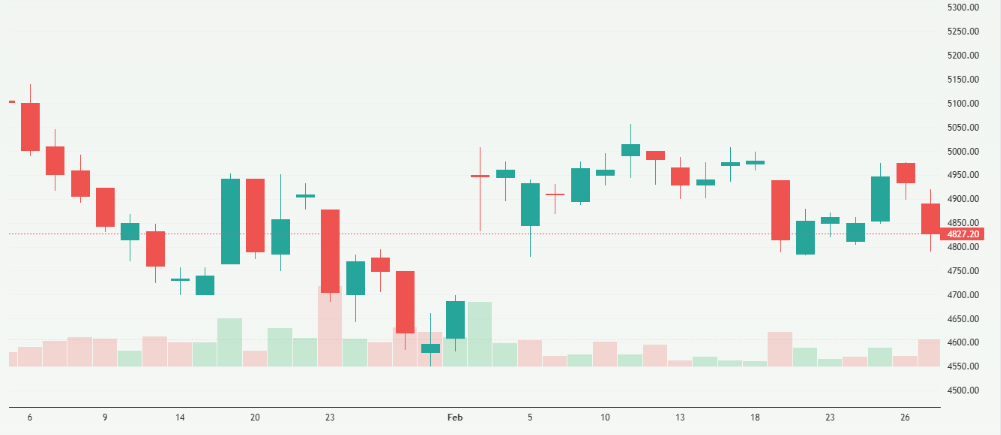
Global travel stocks also felt the effect. Airlines such as Qantas, Cathay Pacific, and Singapore Airlines dropped because markets feared rising costs and lower demand. These stocks slipped more than 5% in Asian markets.
Tourism and online travel agency stocks also weakened. Companies like Ixigo and Easy Trip Planners fell as investors braced for reduced demand.
What broader market signals mattered?
- Sensex and Nifty fell on flight disruption worries.
- Risk appetite weakened across sectors tied to travel and exports.
- Safe‑haven assets like gold and bonds rose in the same period.
Market watchers said investors were wary of higher crude prices. Oil prices often jump in geopolitical crises and increase airline costs. If crude stays higher longer, margin pressure could extend beyond immediate flight shocks.
Operational & Revenue Impact on Carriers
How did flight disruptions affect airlines?
The Middle East airspace closures forced many flights to be canceled or rerouted. This pushed up flight time and fuel usage. Airlines had to adjust crew and schedules at short notice. Such changes raise expenses and lower revenue.
IndiGo and SpiceJet both operate major international routes through West Asia. These routes pass through key hubs like Dubai and Doha. When these hubs shut down airspace, it causes logistical headaches and revenue loss.
Several Indian carriers have faced airspace issues before. Even earlier closures, such as Pakistan’s airspace bans, caused higher fuel burn and longer flight durations for routes from India to Europe and the USA.
What does this cost the airlines?
Flight cancellations cost airlines due to:
- Refunds to passengers
- Rerouting costs and extra fuel
- Crew scheduling issues
- Lost ticket revenue
Research shows high fuel prices can dent airline profit margins sharply. For carriers like IndiGo, a $10 per barrel rise in oil prices could cut profit margins significantly.
IndiGo Stock – Forecast & Analyst Insights with Meyka
How is IndiGo stock performing?
According to Meyka’s latest data, IndiGo shares fell after profit declines and operational setbacks. The airline reported a steep drop in quarterly profit for Q3 FY26. Net profit fell about 78% year‑on‑year, even though revenue rose.
This earnings slump dented investor confidence. After the earnings beat hit, the stock slid 2–4% in trading.
What does Meyka say about the stock outlook?
Meyka’s forecast shows near‑term pressure but also resilience in core operations. Revenue growth remained positive despite profits being hit by one‑off costs. This indicates base business strength.
Meyka data points to key risks around earnings volatility and production costs. Traders should combine this view with broader trends like fuel costs and demand shifts.
What do analysts outside Meyka say?
Other analysts highlight operational issues hurting IndiGo. Regulatory actions and scheduling failures in late 2025 also pressured the stock. Persistent cancellation issues prompted a sell‑off in late 2025.
SpiceJet Stock – Forecast & Analyst Insights with Meyka
What is the recent performance of SPICEJET?
As of late February 2026, SpiceJet closed on the BSE near ₹14.48, down sharply amid strong selling pressure.
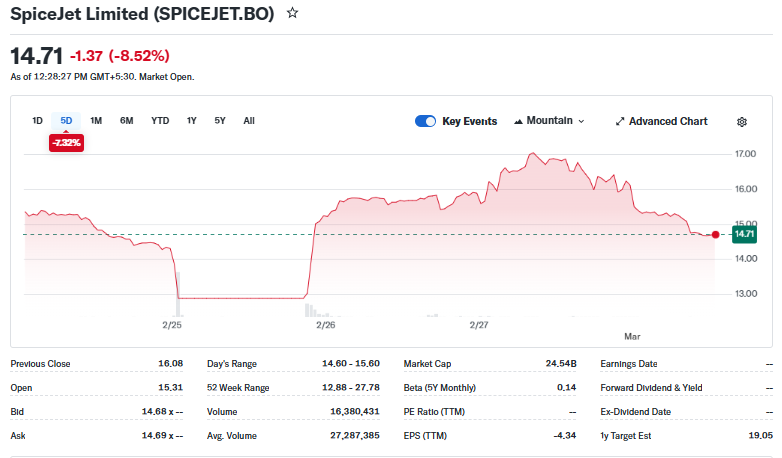
Close trading volumes spiked, showing heavy investor activity and selling. Technical indicators pointed to oversold conditions, which sometimes signal a short‑term bounce but can also show weak fundamentals.
What does Meyka forecast for SpiceJet?
Meyka’s model projects a monthly potential upside, but a decline over the year if fundamentals do not improve. The stock remains volatile. Analysts see key risks from weak balance sheets, debt, and crew regulation pressures.
What are the main drivers for SpiceJet?
- High debt load and low liquidity
- Regulatory challenges on crew duty hours
- Sensitivity to fuel price swings
Investors should watch upcoming earnings and cash flow trends before making long‑term decisions.
What Analysts Say: Future Outlook for Airline and Travel Stocks
Market experts say travel and aviation stocks often lead with sentiment in times of geopolitical stress. Rising crude oil prices usually push operational costs higher. If the Middle East tensions continue, airlines may face prolonged cost pressure on fuel.
Analysts suggest focusing on airlines’ ability to adapt schedules and optimize costs. Some believe that longer‑term demand looks stable if peace returns quickly. Traders often use AI stock analysis tools to track momentum and risk levels in turbulent markets.
However, investors should weigh broader economic variables, including crude price direction, global travel demand, and regulatory changes, before placing heavy bets on any aviation stock.
Closing Note
The US‑Israel strikes on Iran have triggered flight chaos and sharp stock sell‑offs in the Indian aviation and tourism sectors. Airlines like IndiGo and SpiceJet continue to face pressure from route disruptions, rising fuel costs, and operational challenges.
While volatility may persist, tracking real‑time data, earnings outlooks, and expert insights can help investors make informed decisions in uncertain markets. Geopolitical developments will remain key in shaping aviation stocks in 2026 and beyond.
Frequently Asked Questions (FAQs)
IndiGo and SpiceJet shares fell up to 14% on March 2, 2026. The drop happened due to US-Israel strikes on Iran and flight disruptions in the Middle East airspace.
Over 700 flights were cancelled between March 1 and 2, 2026, across Indian and international airlines. Airspace closures in the Middle East caused major disruptions to scheduled routes.
Recovery depends on geopolitical stability and the resumption of normal flights. Analysts say stocks may bounce if tensions ease, but ongoing uncertainty could keep aviation shares under pressure.
Disclaimer:
The content shared by Meyka AI PTY LTD is solely for research and informational purposes. Meyka is not a financial advisory service, and the information provided should not be considered investment or trading advice.
What brings you to Meyka?
Pick what interests you most and we will get you started.
I'm here to read news
Find more articles like this one
I'm here to research stocks
Ask our AI about any stock
I'm here to track my Portfolio
Get daily updates and alerts (coming March 2026)