IndiGo Shares Surge 9%+, SpiceJet Rises: Aviation Stocks Climb Despite Soaring Jet Fuel Prices
Indian aviation stocks made waves on April 1, 2026, as shares of IndiGo, parent InterGlobe Aviation jumped nearly 9 %, while SpiceJet and other airline counters also climbed sharply. This surge came even as aviation turbine fuel (ATF) costs hit historic highs amid ongoing geopolitical tensions that have pushed global crude prices up.
Investors had braced for a steep cost hit, but a government clarification and strategic leadership changes helped calm market fears. Now, airline stocks are rallying despite fuel pains, a rare moment of optimism for a sector often squeezed by rising operational costs. What’s driving this bullish turnaround, and what it means for aviation investors and travelers, remains a hot topic.
Advertisement
Sector Snapshot: Aviation Stocks in Focus
Aviation stocks in India jumped sharply on April 1, 2026, led by a strong performance in carriers like InterGlobe Aviation Ltd (IndiGo) and SpiceJet Ltd, even as jet fuel costs soared. The move was unusual because rising fuel prices normally pressure airline profits.
However, clarity about actual fuel cost impacts and positive leadership changes helped lift investor confidence. IndiGo’s share price climbed up to about 9% intraday, while SpiceJet also posted gains in early trade. Other aviation‑linked stocks, such as Dreamfolks Services and GMR Airports, also saw increased interest from traders.
InterGlobe Aviation (IndiGo) Stock Overview & Forecast
What is IndiGo’s current stock situation?
InterGlobe Aviation, the parent of IndiGo, saw its stock jump sharply on April 1, 2026. Shares climbed as investors responded to two main developments: the appointment of William “Willie” Walsh as the new CEO and a clarification that moderated fears over jet fuel price shocks. Recent trading showed the stock rising over 8% to ₹4,272-₹4,315 during intraday sessions on April 1.
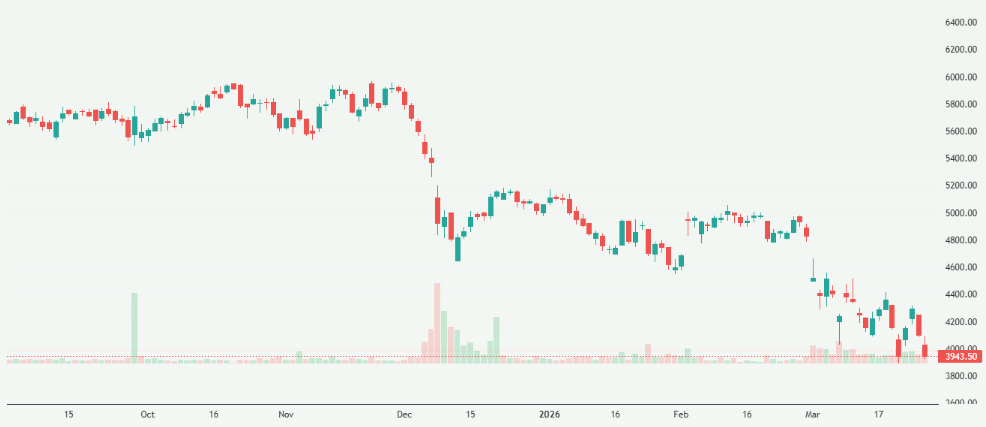
Meyka data shows InterGlobe Aviation’s stock trading near ₹4,929 with a market cap of around ₹1.9 trillion, and a relatively high P/E ratio, indicating premium valuation. Meyka’s one‑year forecast suggests potential upside, with a target near ₹6,390, hinting at near‑term growth if conditions improve.
Technical Analysis Summary
Recent technical indicators are mixed. The stock has shown resilience around support levels but remains sensitive to fuel cost news and broader energy market shifts. Meyka’s technical data show neutral momentum (RSI near midpoint), signaling neither overbought nor oversold conditions.
What Meyka Says?
Meyka’s AI‑informed summary grades InterGlobe Aviation with moderate investment characteristics, backed by long‑term growth trends. It forecasts multi‑month price gains but underscores volatility, driven by external cost pressures and sector risks.
Supporting Analyst Insights
Brokerages have varied views. Some maintain a Buy stance with high price targets after the new CEO announcement. At the same time, elevated fuel costs and regulatory headwinds have prompted caution from some analysts. A recent Motilal Oswal revision trimmed targets but kept a positive rating, showing that the outlook is nuanced.
Why are Jet Fuel Prices So High?
India’s Aviation Turbine Fuel (ATF) prices jumped to a record high of over ₹2.07 lakh per kilolitre in some centers on April 1, 2026, with nominal increases driven by global crude price spikes due to Middle East tensions, especially the ongoing conflict involving Iran and Israel.
Fuel typically accounts for 30-40% of airline operating costs. A sharp climb in fuel prices often pushes carriers to raise airfares or add fuel surcharges. Despite recent government measures to cushion airlines, record ATF levels are pressuring profit margins and may force further cost adjustments if prices stay high.
How Did the Market React to Rising Travel Costs?
Fuel Price Clarification Eases Panic
Initial fears of extreme fuel price hikes subsided when authorities clarified that the full price surge largely affects non‑scheduled, ad‑hoc, and charter operators. Domestic scheduled airlines saw a more moderate ATF increase of about 8.5%, reducing immediate cost shock concerns.
Government Action to Cap Increases
The Indian government also intervened by capping the domestic ATF price hike at 25% per month to protect airline margins and avoid sudden cost spikes that could destabilize operations and ticket pricing. This step provided investors with cost‑certainty and reduced short‑term risk perceptions.
Why are Investors Still Buying Airline Stocks?
Leadership Changes Drive Confidence
IndiGo’s appointment of Willie Walsh, a veteran airline executive, boosted sentiment. Walsh’s global experience is seen as a strategic advantage for expanding international operations and managing cost efficiency, reshaping investor expectations.
Micromarket Trends Offset Cost Pressures
Despite cost challenges, passenger demand remains strong. Earlier data from IATA showed that passenger traffic continued to grow, even as operational costs rose, suggesting resilience in travel demand that supports airline revenues.
Sector Rotation and Market Sentiment
Trading activity indicated rotation into aviation stocks as oil price volatility eased slightly and risk appetite returned among institutional buyers. This shift reflects how market sentiment and leadership cues can outweigh near‑term cost pressures in driving stock performance.
SpiceJet Stock: Snapshot & Forecast
Meyka AI Analysis Summary
According to Meyka’s AI stock analysis, SpiceJet Ltd (SPICEJET.BO) carries an overall grade of C+ (56/100), reflecting moderate confidence in its outlook. Financial growth metrics and key ratios show relative strength, but fundamental concerns and analyst divergence weigh on medium‑term sentiment.
Meyka’s forecast model suggests possible monthly upside but weaker performance every year, underscoring volatility risk for the stock.
Market Price Targets & Sentiment
Other market sources suggest a 12‑month analyst price target near ₹19.05, with mixed recommendations, highlighting uncertainty and divergent views among analysts on SpiceJet’s prospects.
What does this mean for Investors?
Airline stocks like IndiGo and SpiceJet are highly sensitive to fuel price changes and geopolitical risk. Short‑term rallies reflect improved clarity on costs and strategic leadership moves. Long‑term performance will depend on future crude price trends, operational efficiency, and demand stability.
Using AI stock analysis tools alongside traditional research can help investors understand patterns and risks in sectors like aviation before taking positions.
Wrap Up
The Indian aviation sector’s recent stock rally shows that markets can look past short‑term cost pressures when clarity improves, and strategic shifts happen. Rising fuel costs remain a major challenge, but government action and leadership changes have tempered immediate fears. For investors, the path forward will require careful monitoring of energy trends, earnings data, and airline strategies to navigate volatility and capture growth opportunities.
Advertisement
Frequently Asked Questions (FAQs)
IndiGo’s stock jumped on April 1, 2026, after a new CEO was appointed and fears over big fuel cost rises were eased by official clarifications. Domestic jet fuel prices were capped at around 8.5% for scheduled flights, calming investors.
Jet fuel is a major cost for airlines. When prices rise sharply, profits shrink. Higher fuel costs usually push airline stocks down due to the fear of tighter margins.
Deciding to buy depends on your risk tolerance. Stocks can swing with fuel prices, demand, and news. Long‑term goals matter more than short-term moves.
Disclaimer:
The content shared by Meyka AI PTY LTD is solely for research and informational purposes. Meyka is not a financial advisory service, and the information provided should not be considered investment or trading advice.
Advertisement
What brings you to Meyka?
Pick what interests you most and we will get you started.
I'm here to read news
Find more articles like this one
I'm here to research stocks
Ask our AI about any stock
I'm here to track my Portfolio
Get daily updates and alerts (coming March 2026)