On April 13, 2026, global crude oil prices surged past $102 per barrel, sending shockwaves through airline stocks. Shares of InterGlobe Aviation, which operates IndiGo, fell nearly 5% in a single session. At the same time, SpiceJet showed mixed movement, reflecting uncertainty across the aviation sector.
Fuel costs now make up almost 40% of airline expenses, so even small oil spikes can hit profits fast. Rising geopolitical tensions and higher aviation fuel taxes have added more pressure. Investors are reacting quickly as margins tighten and risks grow. This sudden shift raises a key question: How will airlines manage rising costs while keeping demand strong?
Advertisement
Why did IndiGo shares fall 5% as crude oil crossed $102?
On April 13, 2026, Brent crude oil moved above $102 per barrel. This triggered immediate pressure on airline stocks across global and Asian markets. IndiGo shares fell nearly 5% in intraday trade as investors reacted to rising fuel costs and margin concerns.
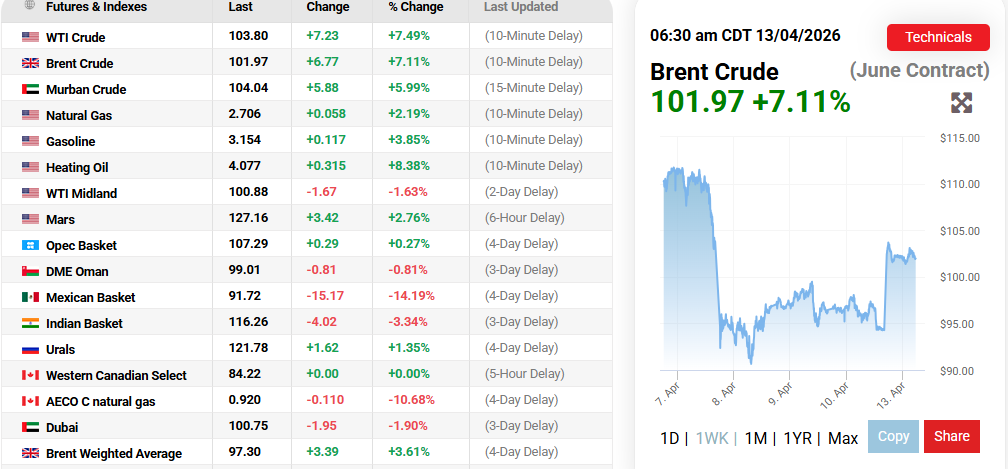
Aviation turbine fuel (ATF) is one of the biggest cost drivers for airlines, often forming 30-40% of total expenses. When crude rises, profitability expectations drop quickly. SpiceJet also showed mixed movement, reflecting uncertainty rather than a clear trend.
Markets are also tracking geopolitical risks that are keeping oil prices elevated. This combination has made airline stocks highly sensitive to every crude price swing.
How does rising crude oil directly impact airline profitability?
Higher crude prices lead to immediate ATF cost inflation. Airlines face three major pressures at once:
- Higher fuel expenses reduce operating margins
- Limited ability to fully pass costs to passengers
- Demand risk if ticket prices rise too sharply
According to global aviation cost models (IATA-backed industry benchmarks), fuel shocks can reduce airline profits by double-digit percentages within a single quarter if prices stay elevated. This is why even a $5-10 change in crude is closely tracked by investors.
IndiGo technical analysis summary: what are the charts indicating?
IndiGo has been under selling pressure after failing to sustain recent highs. On daily charts, the stock is trading below its short-term moving average, which signals weakness in momentum.
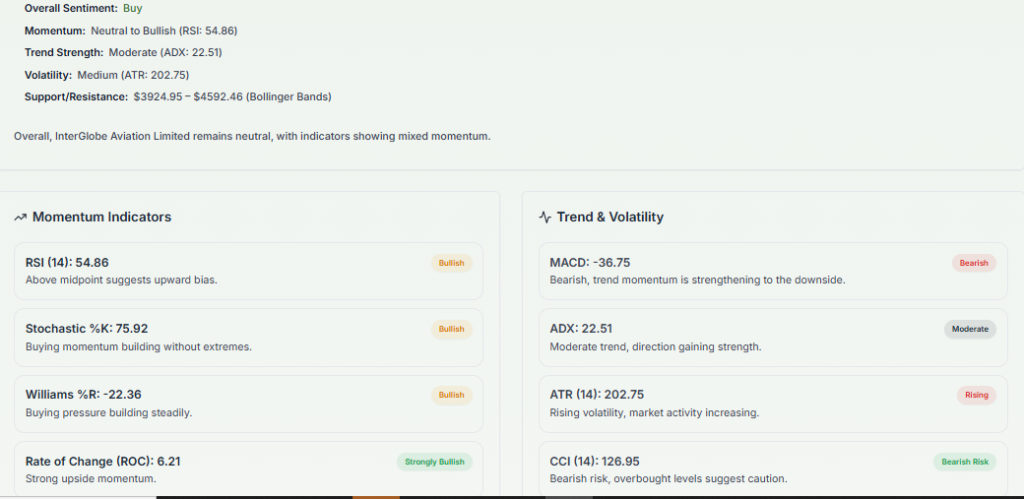
Key technical points:
- Resistance zone: recent breakdown area near previous support
- Support zone: stronger accumulation area seen in the earlier consolidation phase
- Momentum: RSI is trending toward the mid-range, showing neutral-to-bearish bias
- Volume: higher selling volume suggests institutional profit booking
From a technical perspective, the trend remains fragile until crude stabilizes below key resistance levels.
SpiceJet technical outlook: why is movement mixed?
SpiceJet is showing uneven price action compared to IndiGo. This reflects a mix of speculation and recovery expectations.
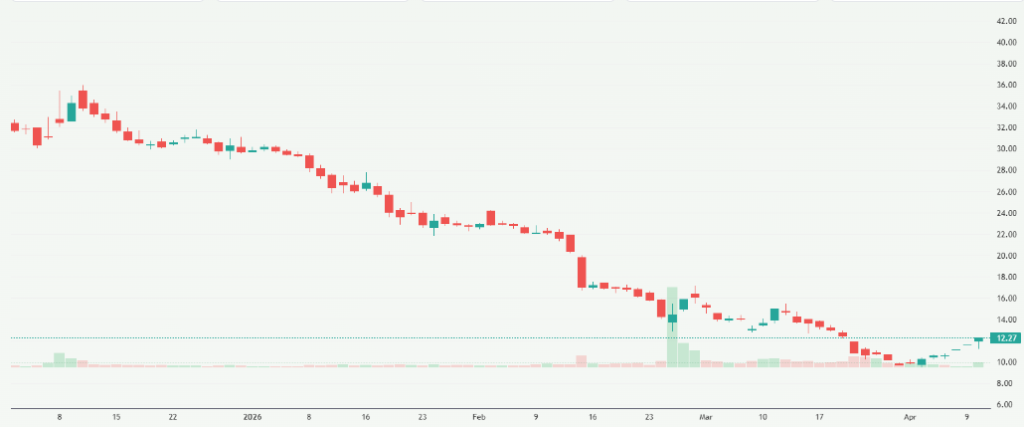
Key observations:
- Stock is more volatile due to lower institutional coverage
- Sharp intraday swings suggest trader-driven movement
- Support levels are being tested repeatedly
- Recovery rallies are not yet sustained
SpiceJet remains highly sensitive to fuel price shocks, but also reacts strongly to short-term optimism around restructuring or demand recovery.
What are analysts saying about airline stocks in this oil cycle?
Market analysts broadly agree on one key point: airline stocks are now tightly linked to crude oil direction.
Key insights from brokerage commentary:
- Rising crude above $100 creates near-term margin pressure
- Domestic demand remains strong, but cost inflation limits upside
- IndiGo remains structurally stronger than its peers
- Sector volatility will remain high until oil stabilizes
According to reports from major financial research platforms like Angel One and TradeBrains, aviation stocks tend to underperform during sustained oil rallies due to weak cost pass-through ability.
What does Meyka AI’s stock analysis tool indicate for IndiGo and SpiceJet?
AI-based stock research tools such as the Meyka AI stock analysis platform are increasingly used to track sentiment, technical strength, and risk signals in real time. In general, AI-driven models flag airline stocks as highly sensitive to macro inputs like crude oil and currency fluctuations.
For oil-linked stocks like IndiGo and SpiceJet, such AI tools typically highlight:
- Increased volatility risk during crude spikes
- Short-term bearish pressure when fuel costs rise
- Medium-term recovery potential if oil stabilizes
This aligns with broader market behavior seen during the April 2026 crude rally, where aviation stocks reacted sharply to every move in oil prices.
What is the short-term outlook for investors?
The outlook for airline stocks depends heavily on crude oil direction and demand stability. If oil remains above $100, margins will stay under pressure. If it cools down, recovery rallies may return quickly.
Key watchpoints:
- Brent crude trend near the $100-105 range
- Domestic air traffic growth data
- Fuel surcharge adjustments by airlines
- Quarterly earnings updates
In the short term, volatility is expected to stay high. Long-term investors may focus more on IndiGo’s stronger fundamentals, while traders may continue to find opportunities in SpiceJet’s price swings.
Bottom Line
The recent fall in IndiGo shares highlights how strongly airline stocks react to crude oil movements. With Brent above $102, fuel costs are rising, and margins are under pressure. SpiceJet’s mixed performance shows ongoing uncertainty in the sector.
Until oil prices stabilize, volatility is likely to continue. Investors will closely watch crude trends, policy changes, and upcoming earnings for clearer direction in the aviation space.
Disclaimer:
The content shared by Meyka AI PTY LTD is solely for research and informational purposes. Meyka is not a financial advisory service, and the information provided should not be considered investment or trading advice.
Advertisement
What brings you to Meyka?
Pick what interests you most and we will get you started.
I'm here to read news
Find more articles like this one
I'm here to research stocks
Ask Meyka Analyst about any stock
I'm here to track my Portfolio
Get daily updates and alerts (coming March 2026)