











On February 4, 2026, India stocks markets closed with a quiet but positive tone. The Nifty 50 index rose 0.19% to 25,776, while the BSE Sensex ended slightly higher at 83,817.69 after a mixed session.
Investors showed selective buying in sectors like Oil & Gas, Consumer Durables, and Power, even as major IT stocks slid sharply due to global tech uncertainties.
This modest triumph capped a week that began with strong optimism around a new India‑US trade deal, but also reminded traders how quickly sentiment can shift.
For anyone tracking market momentum, these subtle moves matter more than big swings, and they may hint at what could come next.
Market Close Summary: Key Index Moves
On February 4, 2026, Indian stocks ended the trading day slightly higher, building on mixed market cues and selective sector strength. The Nifty 50 index rose 0.19% to 25,776, while the BSE Sensex climbed 0.09% to 83,817.69. Mid‑caps and small‑caps outperformed the headline benchmarks, showing broader market participation. Overall market capitalization across BSE‑listed companies rose nearly ₹2 lakh crore in one session.
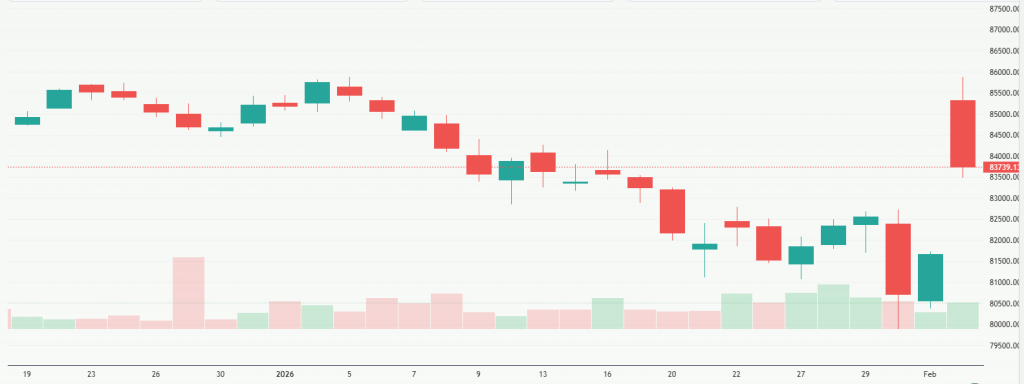
Despite the modest gains, markets experienced wide divergences across sectors. While energy, consumer durables, power, and select frontline names supported the upside, technology stocks faced heavy selling pressure, reflecting ongoing concerns in global tech markets.
What Were the Key Index Figures?
- Nifty 50: Closed at 25,776.00, up 48 points (0.19%).
- Sensex: Closed at 83,817.69, up 79 points (0.09%).
- Midcap & Smallcap: Both outperformed large caps, gaining roughly 0.5%+.
These moves suggest broad participation beyond blue‑chips, even as mega‑cap tech names weighed on overall performance.
What’s Driving the Indian Stock Market?
How Has the India‑US Trade Deal Affected Sentiment?
One of the biggest catalysts behind recent market behavior has been the India‑US trade deal. The agreement, announced earlier in February, significantly eased trade tensions by reducing U.S. tariffs on Indian goods to 18% from around 50%, a shift that had been a major overhang on market sentiment.
The trade pact sparked strong inflows from Foreign Institutional Investors (FIIs), who injected around ₹5,236 crore into Indian equities on February 3, the highest single‑day FII buying in over three months. Domestic Institutional Investors (DIIs) also participated, adding ₹1,014 crore in net buys.
Broader investor confidence improved sharply on the back of this news, driving markets higher in the early part of the week and setting the tone for the modest gains on February 4.
Why are Technology Stocks Lagging?
Despite overall gains, the technology sector suffered a steep downturn. Major IT names, including Infosys, Tata Consultancy Services, HCLTech, and Tech Mahindra, posted sharp declines, with some falling as much as 6-7% on February 4.
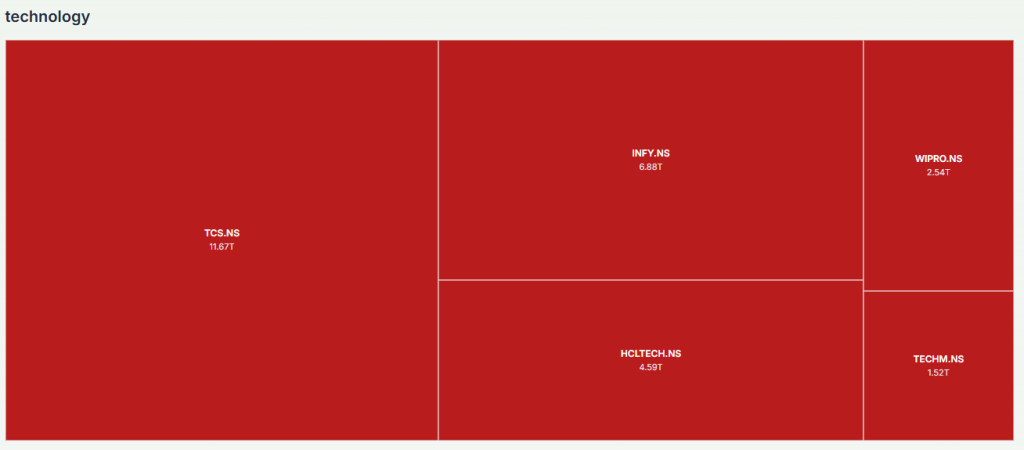
This weakness was partly triggered by concerns about artificial intelligence (AI) and automation disrupting traditional IT service models. A new AI‑driven productivity tool from a U.S. firm intensified fears of margin compression and slower demand for conventional IT outsourcing.
How are Sector Trends Shifting?
While tech stocks lagged, several other segments showed strength:
- Oil & Gas: Supported by rising crude prices and geopolitical factors.
- Consumer Durables & Power: These sectors saw steady buying interest as investors rotated funds into defensive plays.
- Export‑linked Stocks: Textile and specialty product companies continued to benefit from the trade‑deal narrative.
This sector rotation highlights investors’ changing risk appetite and tactical positioning.
Indian Stock Market: Top Gainers & Laggards
Who Led the Gains on February 4?
Some stocks outperformed on the session, lifting the broader market:
- Eternal Ltd: Rose over 5% by close.
- Trent Ltd: Added around 5%.
- Oil and Natural Gas Corporation (ONGC): Up approximately 3.5%.
These gains were supported by sector strength in energy and consumer segments, which helped counterbalance tech weakness.
Which Stocks Lagged?
Laggards were dominated by IT heavyweights:
- Infosys: Down over 7%.
- TCS: Near 7% decline.
- HCLTech: Around 4.6% lower.
The tech selloff dragged the overall Nifty IT index down sharply, impacting markets despite buyers in other sectors.
Expert Opinions & Market Sentiment
Market strategists point to the trade deal as a major confidence booster. According to analysts, tariff relief and renewed global trade optimism have helped tilting sentiment in favor of equities after months of subdued activity.
However, caution persists in some corners. The tech sector’s decline underscores lingering AI‑related concerns for traditional outsourcing firms, even as broader markets look past short‑term headwinds. Using AI stock analysis tools, some investors are closely tracking shifts in global demand and the impact of automation on earnings models.
Sentiment indicators also show mixed risk appetite. While institutional flows are bullish, volatility in certain segments, especially IT, suggests investors are being selective rather than fully risk‑on.
What Does This Means for Investors?
For traders and long‑term investors, the market narrative remains nuanced. On one hand, structural positives like improved trade relations and foreign investment flows support a constructive view. On the other hand, sector divergences and global headwinds, especially in technology, call for careful stock selection.
Important factors to monitor include:
- Continued FII and DII flow trends.
- Upcoming earnings reports and macroeconomic data.
- Sector rotation patterns in response to global cues.
Conclusion
The latest trading session on February 4, 2026 showed that Indian markets are gaining momentum, but in a selective and cautious way. The Nifty 50’s 0.19% rise reflected both fresh optimism from the India‑US trade deal and persistent sector challenges, especially in technology.
For investors, the near‑term trend suggests opportunity, but only with a balanced approach that considers both growth prospects and risk from evolving global dynamics. Stay tuned to market drivers and data, as this interplay will likely shape the next leg of equity performance.
Frequently Asked Questions (FAQs)
The Nifty 50 rose 0.19% on February 4, 2026. Positive India‑US trade deal news, strong foreign investor buying, and gains in energy and consumer sectors helped push the index higher.
The India‑US trade deal eases tariffs and trade tensions. It boosts investor confidence, attracts foreign funds, and supports sectors like exports, energy, and consumer goods, giving Indian stocks a positive outlook.
On February 4, 2026, energy, consumer durables, power, and export‑linked sectors led gains. Technology stocks fell. Sector rotation shows investors favoring stable and export-oriented industries amid market uncertainty.
Disclaimer:
The content shared by Meyka AI PTY LTD is solely for research and informational purposes. Meyka is not a financial advisory service, and the information provided should not be considered investment or trading advice.
What brings you to Meyka?
Pick what interests you most and we will get you started.
I'm here to read news
Find more articles like this one
I'm here to research stocks
Ask our AI about any stock
I'm here to track my Portfolio
Get daily updates and alerts (coming March 2026)