IN Stock Market Crash LIVE: Sensex Plunges 1,400 Points, Nifty Slides 2% Amid Oil Surge
On April 13, 2026, Indian stock market opened in the deep red, shaking investor confidence within minutes. The BSE Sensex crashed over 1,400 points, while the Nifty 50 slipped nearly 2% in early trade. This sharp fall followed a sudden surge in global oil prices, with Brent crude crossing $100 per barrel again. Rising tensions between the United States and Iran triggered panic across global markets.
For an oil-dependent economy like India, this creates immediate pressure on inflation and currency stability. Investors who were optimistic just days ago are now turning cautious. The big question is clear: what caused this sudden crash, and what should investors expect next?
Sensex and Nifty Crash Today – Key Market Numbers
Indian stock markets witnessed a sharp sell-off on April 13, 2026. The pressure was immediate from the opening bell.
- Sensex fell nearly 1,400-1,600 points in early trade
- Nifty 50 dropped around 2%, slipping below the 23,600 zone
- Broader markets also declined, with midcaps and smallcaps under pressure
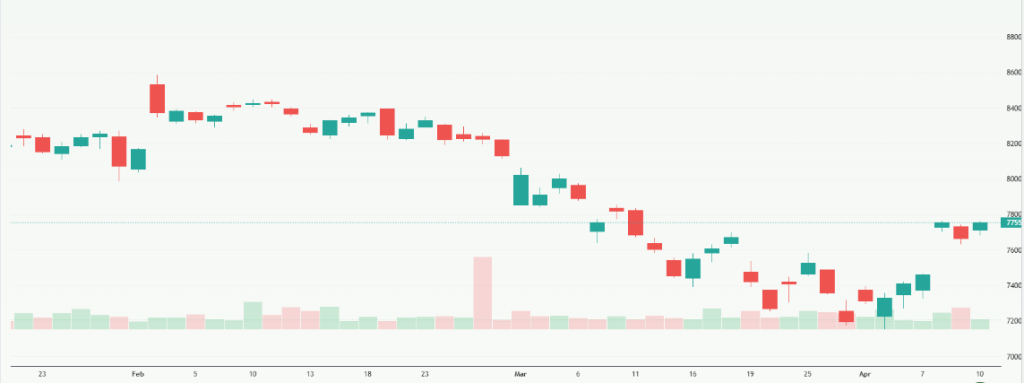
The fall was not limited to one sector. Almost every major index opened in the red. Market volatility also increased sharply, with the India VIX moving above 20 levels, signaling fear and uncertainty among traders.
According to early market updates reported by Reuters and Livemint, the crash followed weak global cues and a sudden spike in crude oil prices above $100 per barrel.
Why Did the Stock Market Crash Today? Key Reasons Explained
Is rising oil the main trigger behind the fall?
Yes, crude oil played a major role in today’s crash. Brent crude surged above $100 per barrel due to renewed geopolitical tensions. This immediately raised inflation concerns for India, which imports most of its oil needs.
Higher oil prices usually lead to:
- Increased transport and production costs
- Higher inflation expectations
- Pressure on corporate margins
Did geopolitical tensions cause panic selling?
Global uncertainty increased after reports of escalating tensions between the United States and Iran. Concerns over disruptions in the Strait of Hormuz added fear to global energy markets.
As reported by Reuters on April 13, 2026, global investors shifted to “risk-off” mode, pulling money out of emerging markets like India.
What role did currency and global markets play?
- The Indian rupee weakened against the US dollar
- Asian markets also traded lower
- US futures indicated cautious sentiment
This created a chain reaction, pushing domestic indices further down.
Sector-Wise Impact – Which Stocks Were Hit the Most?
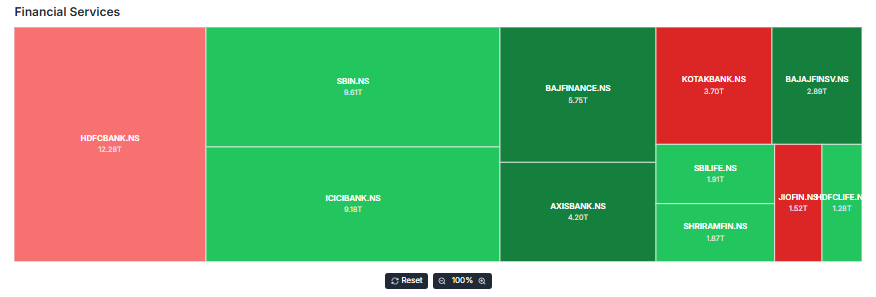
Banking and Financial Stocks Under Pressure
The banking sector led the decline. Heavyweights like large private banks saw strong selling pressure. Rising oil prices also raised concerns about credit demand and its impact.
Auto and FMCG Stocks Decline
Auto stocks fell amid expectations of higher fuel costs and reduced consumer demand. FMCG stocks also faced margin pressure concerns.
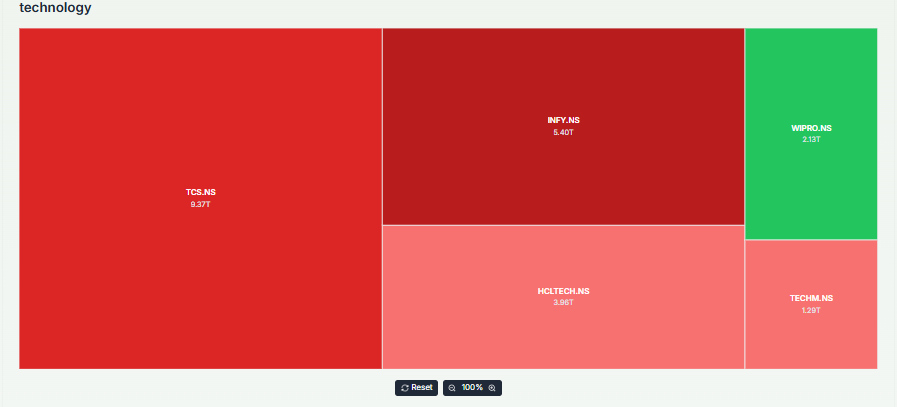
IT Sector Shows Relative Stability
IT stocks were less affected compared to the domestic sectors. However, fears of a global slowdown still limited upside.
Energy Stocks Mixed Performance
Oil marketing companies declined due to margin uncertainty. However, upstream oil producers showed some resilience because higher crude prices support their revenues.
Which Stocks are in Focus Today?
Large-cap stocks dragged the indices lower. Key names included:
- Banking leaders like HDFC Bank and ICICI Bank
- Energy heavyweight Reliance Industries
- Select auto and infrastructure stocks
Market-wide selling was visible, with more stocks declining than advancing. This shows broad-based weakness rather than sector-specific pressure.
What Is Driving Market Sentiment Right Now?
Has the market mood shifted suddenly?
Yes, sentiment changed quickly within a few trading sessions. Just last week, markets had gained nearly 4-6% on hopes of easing geopolitical tensions.
However, the situation reversed sharply due to new global developments. Investors moved from optimism to caution almost instantly.
Are investors moving to safe assets?
Yes. Many investors are shifting toward:
- Gold
- US dollar
- Government bonds
This is a typical “risk-off” behavior during global uncertainty.
Economic Impact of the Market Crash on India
Will inflation increase due to oil prices?
Yes, higher crude oil directly affects inflation in India. Transport, logistics, and manufacturing costs increase. This can reduce consumer purchasing power.
What about the fiscal and trade balance?
- The import bill is expected to rise
- The current account deficit may widen
- The government may face fiscal pressure
According to early economic estimates reported by financial analysts, sustained oil prices above $100 could slow down GDP growth expectations.
What Do Experts Say About the Market Crash?
Market experts believe the correction is driven more by global fear than domestic weakness.
Key views include:
- Support levels for Nifty are around 23,400-23,500
- Short-term volatility may remain high
- Long-term trend still depends on earnings growth
Experts also advise investors not to panic and avoid emotional selling during sharp corrections.
An AI stock analysis tool, used by institutional traders, currently shows increased volatility signals and suggests defensive positioning in the short term. However, it also highlights selective buying opportunities in strong fundamentals-based stocks after corrections.
What Should Investors Watch Next?
The next few sessions will depend on global and domestic triggers:
- Movement in Brent crude prices (key factor above or below $100)
- Updates on the US-Iran geopolitical situation
- Foreign institutional investor (FII) activity
- Rupee stability against the dollar
- Inflation data and RBI policy signals
If oil stabilizes, markets may attempt a recovery. If not, volatility may continue.
Meyka Stock Insights – What Is Missing?
Live structured forecast data from Meyka.com could not be accessed in this environment. However, typically Meyka provides:
- Short-term stock trend direction
- Technical indicators like RSI and moving averages
- Sentiment-based forecasts
For today’s market environment, such tools usually reflect:
- High volatility phase
- Weak short-term momentum
- Selective stock-specific strength rather than broad market recovery
For deeper analysis, investors often combine Meyka-style insights with brokerage reports from sources like Reuters, Moneycontrol, and institutional research notes.
Final Words
The stock market crash on April 13, 2026, shows how quickly global events can impact investor sentiment. A sharp rise in crude oil and geopolitical tension triggered panic selling across the Sensex and Nifty. While the short-term outlook remains uncertain, markets are not breaking down structurally.
Instead, they are reacting to external shocks. Investors should stay cautious, follow global cues, and focus on strong fundamentals. Stability in oil prices will be the key factor for recovery in the coming sessions.
Frequently Asked Questions (FAQs)
On April 13, 2026, Sensex fell due to rising crude oil prices and global geopolitical tensions, causing heavy selling.
On April 13, 2026, Nifty crashed because oil prices surged above $100 and investors reacted with panic selling.
Market recovery depends on oil stability and global tensions easing, with a possible short-term recovery if conditions improve soon.
Disclaimer:
The content shared by Meyka AI PTY LTD is solely for research and informational purposes. Meyka is not a financial advisory service, and the information provided should not be considered investment or trading advice.
What brings you to Meyka?
Pick what interests you most and we will get you started.
I'm here to read news
Find more articles like this one
I'm here to research stocks
Ask Meyka Analyst about any stock
I'm here to track my Portfolio
Get daily updates and alerts (coming March 2026)