The FTSE 100 opened higher on March 6, 2026, even as global markets stay nervous over mounting tensions in the Middle East. Investors are watching oil prices closely after crude climbed sharply this week on fears that conflict around the Strait of Hormuz could disrupt supply. Brent crude has now held near multi‑month highs, keeping energy firms in focus.
At the same time, recent sell‑offs in travel and rate‑sensitive stocks reflect growing caution across London and global bourses. This mix of cautious optimism and geopolitical uncertainty is shaping how traders approach UK equities today, and has many asking what comes next.
Advertisement
Global Geopolitical Backdrop: Why Middle East Tensions Still Matter to Markets
Markets remain on edge as the Middle East conflict enters its sixth day. The latest escalation began in late February with U.S. and Israeli strikes on Iran, triggering sharp retaliation across the Gulf region. This has disrupted shipping and raised fears over energy supply routes like the Strait of Hormuz, through which around one‑fifth of the world’s oil flows.
These tensions have kept oil and natural gas prices elevated and pushed investors toward safe havens. This geopolitical pressure is a key driver of the cautious sentiment seen in global stock markets this week, including London’s FTSE 100.
FTSE 100 Market Reaction: Data, Sectors & Volatility
What Happened to the FTSE 100 This Week?
The FTSE 100 has been volatile in early March 2026 as geopolitical risk increased:
- On March 5, 2026, the FTSE 100 closed down 1.5% at 10,413.94, its lowest in three weeks, as oil prices surged and inflation worries grew.
- By March 6, 2026, futures indicated the index was poised to open roughly 0.5% higher, as cautious buying emerged despite ongoing volatility.
- The benchmark has fallen about 5% since the prior Friday, reflecting broad risk‑off positioning.
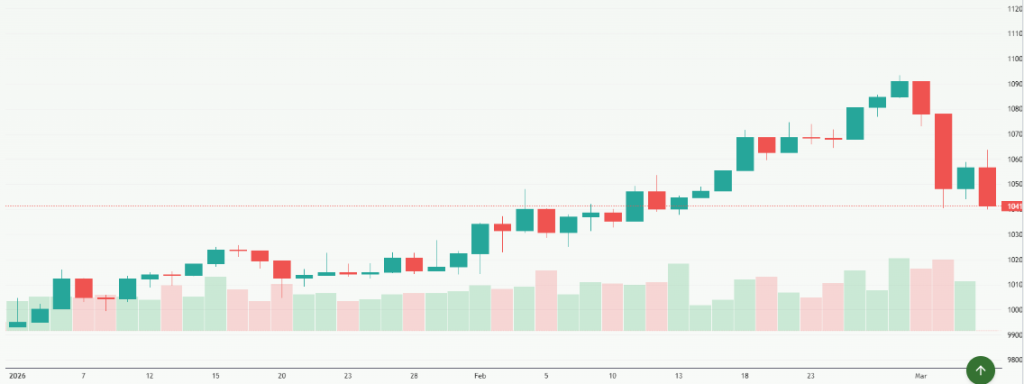
This movement shows the tug‑of‑war between risk aversion and opportunistic buying amid uncertainty.
Which Sectors Have Been Most Affected?
Energy and Oil Majors (Positive Weighting):
- Companies like Shell and BP have gained as crude oil benchmarks rise, given their revenue linkage to higher energy prices.
Travel and Consumer Cyclicals (Under Pressure):
- Airlines and travel businesses suffered this week, with Wizz Air and easyJet among the biggest losers due to higher fuel costs and reduced travel demand.
Defensive & Stable Performers:
- Some defensive sectors, including healthcare and staples, showed relative strength as investors sought safety.
Overall market breadth remains weak, with cautious sentiment evident across most sector groups.
How Does Oil Price Movement Affect the FTSE?
Oil prices have surged sharply on supply fears:
- Brent crude climbed to around $85 per barrel, its biggest weekly rise since 2022.
- WTI crude also logged strong gains as supply disruption concerns intensified.
Higher oil pushes up inflation expectations and reduce the odds of near‑term interest rate cuts from central banks. That, in turn, hurts rate‑sensitive sectors like financials and growth stocks.
Investor Sentiment and Broader Market Context
How are Other Global Markets Reacting?
The cautious mood isn’t confined to the UK:
- European markets have shown extended weakness as the Iran conflict escalates, with several major indices posting losses earlier in the week.
- Asian stocks fell on ongoing geopolitical concerns, including South Korea’s Kospi declining due to risk aversion.
- U.S. markets also slid recently as inflation worries intensified and oil climbed.
Investors have shifted into defensive assets such as gold and the U.S. dollar. An AI stock analysis tool recently flagged increasing volatility and a preference for low‑beta assets under current conditions.
What are Analysts Saying About Inflation and Rates?
Financial strategists are noting that rising energy costs could sustain inflation pressures. As a result:
- The probability of rate cuts in major markets has dropped significantly.
- Bond yields have risen sharply amid higher inflation expectations and safe‑haven flows.
This dynamic supports volatility in equities and cautious positioning among traders.
FTSE Today: What does this mean for Investors Right Now?
Should You Adjust Your Strategy?
Given the current market environment:
- Focus on sectors with strong balance sheets. Energy and defensive names often outperform in risk‑off scenarios due to cash flow resilience.
- Avoid over‑leveraged cyclical stocks. Travel and financial firms remain vulnerable to higher energy costs and inflation risk.
- Consider diversification to manage risk. Exposure to commodities and safe‑haven assets can reduce overall portfolio volatility.
Importantly, global uncertainty remains a key driver of sentiment, and changes in the conflict or energy supply situation could rapidly alter market direction.
Conclusion
Despite a slight bounce in futures, the FTSE 100 remains under pressure as Middle East tensions keep investors cautious and oil prices high. Market moves reflect deep concerns over inflation, interest rate paths, and global growth. In such times, focus on risk management and diversification. Monitor updates closely, as geopolitical shifts continue to shape global markets and investor strategy.
Advertisement
Frequently Asked Questions (FAQs)
The FTSE 100 rose on March 6, 2026, as markets reacted to mixed news. Some stocks gained as investors saw buying opportunities. Geopolitical headlines and oil price moves also shaped trading.
Tensions in the Middle East raise fears of higher oil prices and inflation. This makes investors cautious, pushing safe‑haven flows and affecting risk‑linked stocks such as travel and banks.
Higher oil prices can lift energy company profits in the FTSE 100. But they also raise inflation and cost pressure on other companies, which can hurt overall stock performance.
Disclaimer:
The content shared by Meyka AI PTY LTD is solely for research and informational purposes. Meyka is not a financial advisory service, and the information provided should not be considered investment or trading advice.
Advertisement
What brings you to Meyka?
Pick what interests you most and we will get you started.
I'm here to read news
Find more articles like this one
I'm here to research stocks
Ask Meyka Analyst about any stock
I'm here to track my Portfolio
Get daily updates and alerts (coming March 2026)