FTSE 100 LIVE: UK stocks rally after Trump hints Iran conflict could end ‘very soon.’
The FTSE 100 opened higher on March 10, 2026, as global investors reacted to fresh signals about easing tensions in the Middle East. The UK’s benchmark stock index moved upward after U.S. President Donald Trump suggested that the Iran conflict could end “very soon.”
Markets quickly responded to the possibility of reduced geopolitical risk. Oil prices, which had surged above $100 per barrel earlier amid supply fears, also pulled back as optimism grew. Lower energy prices often support equity markets, especially in Europe.
Advertisement
Investors are now closely watching geopolitical headlines, oil movements, and global market trends. For the FTSE 100, the latest developments show how quickly international politics can shape market sentiment and investor confidence.
Why Is the FTSE 100 Rising Today?
The FTSE 100 moved higher on March 10, 2026, after global markets reacted to signs that the Iran conflict may ease. Investors welcomed comments from U.S. President Donald Trump suggesting the war could end “very soon.” The statement reduced fears about long-term oil supply disruptions.
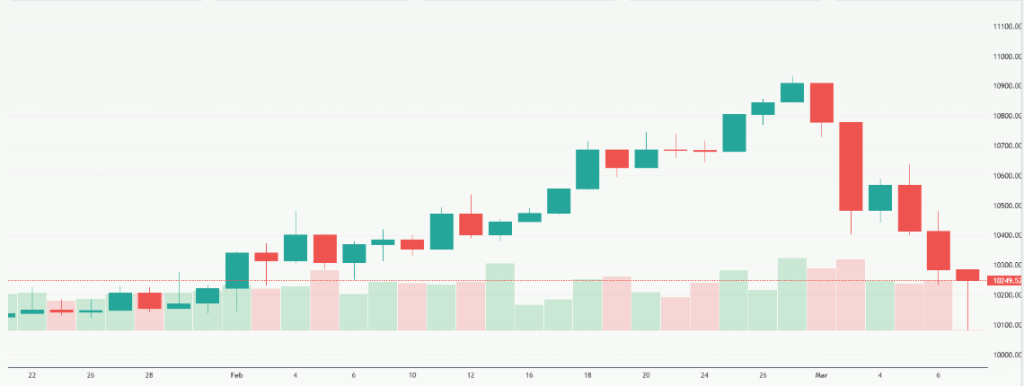
European markets quickly responded. Early trading showed strong gains across the region:
- FTSE 100 rose about 1.4%
- Germany’s DAX climbed more than 2%
- France’s CAC 40 gained nearly 2%
The rally followed a sharp market sell-off earlier in the week when oil prices surged above $100 per barrel. Investors had feared that the conflict could disrupt energy supplies and push inflation higher.
When oil prices dropped, risk appetite returned. Investors moved back into equities, lifting stock indexes across Europe and Asia.
How Did Trump’s Statement Affect Global Markets?
Donald Trump’s comments had an immediate impact on markets worldwide. Traders interpreted his remarks as a sign that geopolitical tensions could ease faster than expected.
Global stocks rallied across major regions:
- The FTSE 100 jumped around 1.6%
- Japan’s Nikkei 225 rose about 2.9%
- South Korea’s Kospi surged more than 5%
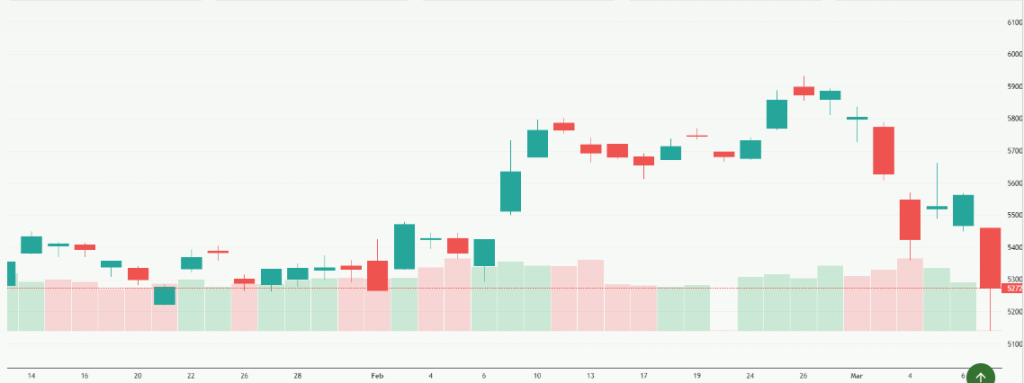
Oil markets also reacted sharply. Brent crude dropped from earlier highs near $120 per barrel to around $91-$92 per barrel in volatile trading on March 10. Lower oil prices reduce pressure on inflation and corporate costs. That is why stock markets often rally when energy prices fall suddenly.
However, analysts warn that markets remain sensitive to political headlines. Even small changes in the conflict outlook can move global prices quickly.
FTSE 100: What Is Happening in the Iran Conflict?
The latest market swings are linked to the ongoing war involving Iran and a U.S.-Israel coalition. The conflict has already created major uncertainty in energy markets.
Key developments include:
- Airstrikes and military actions in Iran
- Leadership changes within Iran’s government
- Threats to disrupt oil exports through the Strait of Hormuz
The Strait of Hormuz is one of the world’s most important oil shipping routes. Around 20% of the global oil supply passes through this narrow waterway.
If shipments through the strait are blocked, energy prices could spike rapidly. That risk pushed oil prices above $100 earlier in the week.
Iranian officials have warned they could block regional oil exports if attacks continue. That keeps markets on edge even as traders react to diplomatic signals.
Which FTSE 100 Stocks are Driving the Rally?
Several sectors helped lift the FTSE 100 during the rebound.
Energy Companies
Oil giants like BP and Shell usually benefit when crude prices rise. However, falling oil prices can still support their shares if investors expect demand to remain strong. These companies remain key drivers of the FTSE 100 because the index has a heavy weighting in energy and commodities.
Banking Stocks
Financial companies also gained during the rally. Stronger market sentiment often boosts bank stocks. Examples include:
Banks tend to rise when global markets stabilize, and investors feel more confident about economic growth.
Travel and Consumer Stocks
Companies in the travel and retail sectors were among the biggest beneficiaries of falling oil prices. Lower fuel costs can improve profitability for airlines and logistics companies. It also supports consumer spending by reducing transportation costs.
What Key Data are Investors Watching Now?
Market participants are closely monitoring several indicators that could influence the FTSE 100 in the coming days.
Oil Prices
Oil remains the biggest driver of current market volatility. Brent crude briefly reached $119.50 per barrel during the crisis before dropping sharply after Trump’s remarks. Energy price movements directly affect:
- Inflation expectations
- Corporate costs
- Central bank decisions
Global Stock Indexes
Investors are also watching performance in other major markets:
- S&P 500
- Stoxx Europe 600
- Nikkei 225
Strong global equity momentum often spills over into the UK market.
Government Policy Responses
Governments worldwide are taking steps to control rising energy costs. Some countries have introduced:
- Fuel price caps
- Energy-saving measures
- Strategic oil reserve releases
These policies can influence investor sentiment and market stability.
Risks That Could Reverse the FTSE 100 Rally?
Despite the recent rebound, several risks could quickly change market direction. Geopolitical escalation remains the biggest threat. If the conflict expands or shipping routes are disrupted, oil prices could surge again. Other risks include:
- Inflation pressures from energy costs
- Slower global economic growth
- Uncertainty around central bank policies
Even after the recent drop, oil prices remain roughly 25% higher than pre-conflict levels, which keeps inflation concerns alive.
FTSE 100 Technical Outlook and Market Sentiment
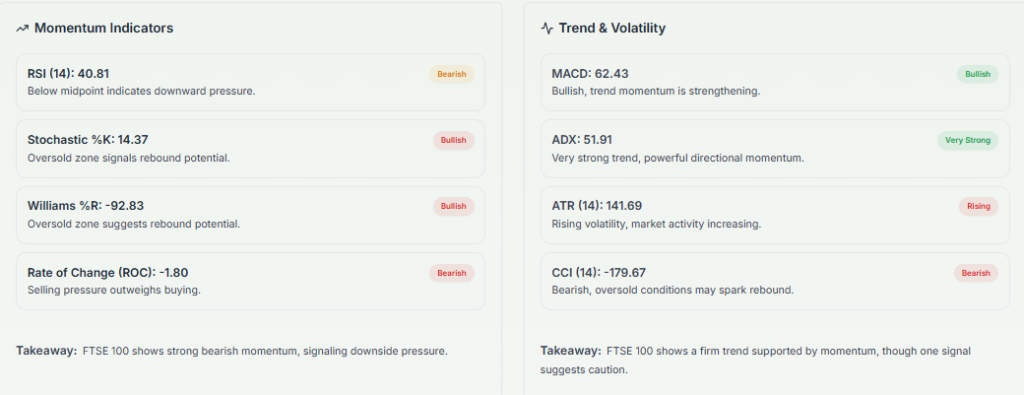
Short-term technical signals suggest improving momentum for the FTSE 100. Key technical indicators analysts monitor include:
- Moving averages
- Relative Strength Index (RSI)
- Trading volume trends
After the latest rebound, many traders see the index attempting to recover recent losses caused by the geopolitical shock. Digital tools are increasingly used to analyze market signals. Some investors rely on an AI stock analysis tool to track price trends, risk indicators, and sector performance in real time.
These tools help identify opportunities during volatile market conditions like the current geopolitical crisis.
What Meyka Says About the FTSE 100 Outlook?
According to analysis insights from Meyka’s market data platform, the FTSE 100 outlook remains cautious but stable.
Short-term view
- Market sentiment improved after the oil price drop.
- Energy and banking stocks continue to support the index.
Technical trend
- The index is attempting to stabilize after a sharp geopolitical sell-off.
- Momentum indicators show a gradual recovery as investors return to equities.
Forecast
- If oil prices remain below $95 per barrel, the FTSE 100 could maintain upward momentum.
- Renewed conflict headlines could trigger volatility.
Other market analysts share similar views. Several investment firms say the FTSE 100’s heavy exposure to energy and commodities makes it highly sensitive to geopolitical news. That means investors should expect continued volatility in the near term.
What Analysts are Watching Next for FTSE 100?
Market experts say three key developments will determine the next move for the FTSE 100:
- Updates on the Iran conflict
- Oil price stability
- Global economic signals
If diplomatic progress continues and energy prices stabilize, global equities could extend their recovery. However, markets remain highly reactive to geopolitical headlines.
For now, the FTSE 100 rally reflects renewed optimism. But investors know that in a geopolitically driven market, sentiment can change very quickly.
Final Words
The FTSE 100 rebounded as easing geopolitical fears and falling oil prices lifted investor sentiment. Markets reacted quickly to signals that the Iran conflict may end soon. However, volatility remains high. Oil prices and political developments will likely continue driving the UK stock market’s short-term direction.
Advertisement
Frequently Asked Questions (FAQs)
The FTSE 100 rose on March 10, 2026, after Trump suggested the Iran conflict could end soon, easing market fears.
Falling oil prices on March 10, 2026, reduced costs for companies and boosted investor confidence, helping UK stocks recover.
The FTSE 100 may stay volatile as of March 10, 2026, depending on oil prices and geopolitical updates from Iran.
Disclaimer:
The content shared by Meyka AI PTY LTD is solely for research and informational purposes. Meyka is not a financial advisory service, and the information provided should not be considered investment or trading advice.
Advertisement
What brings you to Meyka?
Pick what interests you most and we will get you started.
I'm here to read news
Find more articles like this one
I'm here to research stocks
Ask our AI about any stock
I'm here to track my Portfolio
Get daily updates and alerts (coming March 2026)