











London’s benchmark FTSE 100 slid sharply this week, closing at its lowest level in more than two weeks amid rising global tensions. On March 2-3, 2026, escalating conflict in the Middle East triggered a broad sell‑off, pushing risk assets lower and oil prices higher. Markets reacted as investors digested fresh geopolitical risk, with energy and defence sectors outperforming while banks, travel, and luxury stocks struggled.
Brent crude and other commodities climbed on fears of supply disruptions, feeding concerns about rising inflation and slower economic growth. With traders adjusting portfolios and central‐bank expectations shifting, the scene is set for continued volatility in the coming sessions.
Today’s Market Snapshot: What Happened to the FTSE 100?
On March 2-3, 2026, the FTSE 100 recorded a sharp decline, closing down roughly 1.2% at about 10,780 points, its biggest single‑day fall since November 18, 2025. This retracement followed last week’s record highs near 10,910, signaling growing market risk aversion.
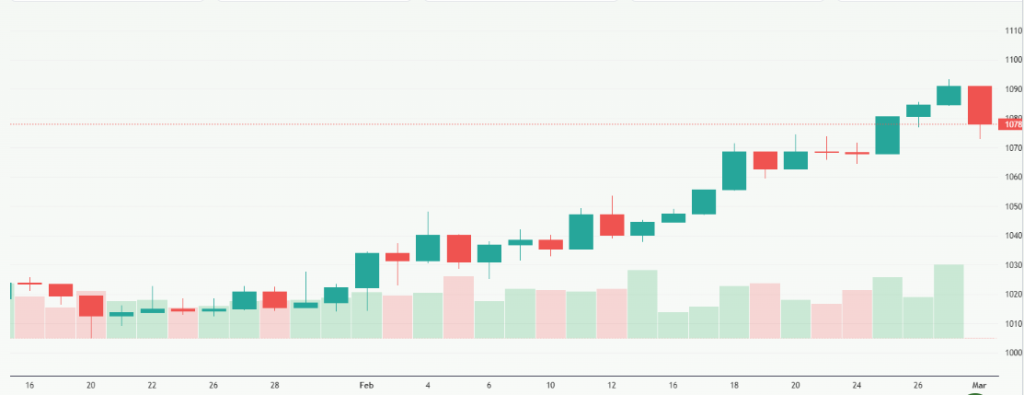
Investors reacted quickly after US and Israeli military action against Iran escalated conflict in the region, leading to widespread selling in cyclical sectors. Travel stocks, banks and luxury goods were hit particularly hard. Major fallers included IAG (British Airways) and other travel‑related names.
In contrast, energy and defence stocks gained ground as crude oil prices climbed sharply amid disruption fears in the Strait of Hormuz, a key global shipping route for oil. British oil majors such as Shell and BP enjoyed upside, as did major defence contractors.
Overall, London’s benchmark index mirrored trends across global markets, with European indices also showing declines amid broader sell‑offs. Currency markets reflected the risk‑off mood, with the British pound weakening against the US dollar to multi‑month lows on March 2.
Why are Markets Falling? Middle East Geopolitical Risk Explained
What triggered the current sell‑off?
The recent downturn in the FTSE 100 stems from escalating hostilities in the Middle East between the United States, Israel and Iran. Reports indicate that air and ground strikes on Iranian targets over the past weekend triggered heightened conflict concerns that spread to global markets.
Investors fear that disruption of key energy infrastructure and tanker routes, particularly through the Strait of Hormuz, where about 20% of global oil and gas supplies transit, could significantly squeeze supply and push crude prices higher.
How does this affect stock markets?
Rising geopolitical risk tends to drive a risk‑off environment, where investors sell equities and shift capital to safe‑haven assets like gold, bonds, and the US dollar. As a result, equities across Europe and Asia have fallen, with the FTSE 100 among the most visible responses in the UK market.
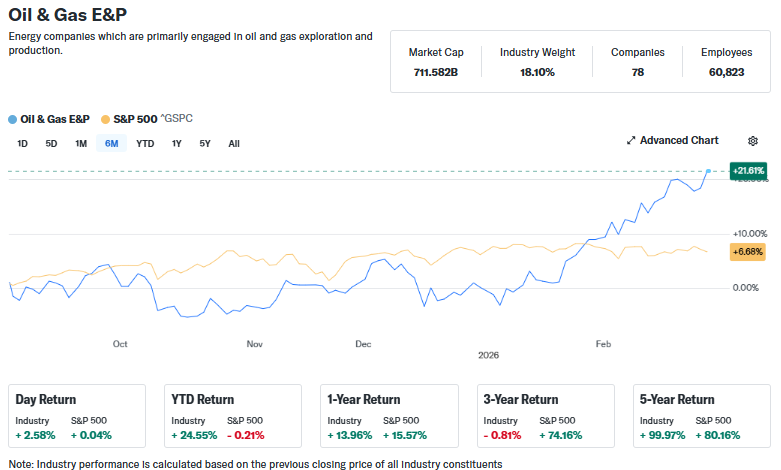
Oil and energy stocks gain support as crude prices rise, but companies in sectors sensitive to economic growth, such as banking, travel and luxury retail, typically underperform during these periods. That pattern is visible in the current market action.
Why oil matters so much?
Crude prices surged for the third day in a row on March 3, rising to about $80.89 per barrel for Brent crude, as conflict continued to threaten production and shipping routes. If oil supply routes remain disrupted, analysts now predict prices could remain elevated near $80–$90 per barrel for the coming week and possibly exceed $100 if disruptions persist.
In short, energy supply risks have quickly translated into broader market pressure, dimming investor appetite for risk assets like the FTSE 100.
Sector Winners and Losers on the FTSE 100
Which sectors are falling?
- Travel & Leisure: Stocks like IAG (parent of British Airways) were among the worst performers, sliding sharply as travel demand and confidence weakened.
- Banks & Financials: Major banks saw declines as tougher global conditions and risk aversion weighed on earnings expectations.
- Luxury & Consumer Stocks: Companies heavily tied to discretionary spending also faced sell‑offs due to economic uncertainty.
Which sectors are holding up or rising?
- Energy Stocks: Oil producers including Shell and BP rose as crude oil prices jumped sharply. This supports improved revenue forecasts for these companies.
- Defense & Aerospace: Firms such as BAE Systems rallied strongly on geopolitical risk, drawing investor interest for their perceived resilience during uncertainty.
- Precious Metals: Gold and other safe‑haven assets also saw inflows, reflective of investor caution.
This sector rotation highlights how markets price risk in real time, especially when energy supply and global security are in focus.
What It Means for UK Investors?
UK investors should expect continued volatility in the near term. Rising crude prices and geopolitical uncertainty can increase inflationary pressure, weaken consumer confidence, and tighten credit conditions. The recent slide in the FTSE 100 suggests caution among investors.
The Bank of England’s monetary policy outlook is also shifting. Higher energy prices weaken the case for interest rate cuts in March, according to some analysts. This reduces the likelihood of central bank support that might otherwise buoy equities.
Many financial strategists, including insights from tools such as AI stock analysis platforms and traditional brokerage forecasts, now stress the need for diversification. Investors may look to defensive sectors like energy and defense for relative stability, while considering hedges against inflation. Meanwhile, cyclical sectors tied to consumer spending may remain under pressure until geopolitical clarity returns.
Regular monitoring of market data and news developments is critical for UK portfolios in this phase. Risk management should be a priority.
Closing Note
Geopolitical tensions in the Middle East have pushed the FTSE 100 to a two‑week low, driven by surging oil prices and investor caution. As energy supply risks loom and central bank policy becomes uncertain, volatility is likely to continue. Staying informed and balancing portfolios with defensive assets may help UK investors navigate this uncertain period. Stay focused on market data and emerging trends as events unfold.
Disclaimer:
The content shared by Meyka AI PTY LTD is solely for research and informational purposes. Meyka is not a financial advisory service, and the information provided should not be considered investment or trading advice.
What brings you to Meyka?
Pick what interests you most and we will get you started.
I'm here to read news
Find more articles like this one
I'm here to research stocks
Ask our AI about any stock
I'm here to track my Portfolio
Get daily updates and alerts (coming March 2026)