











Exclusive: Nintendo Plans $1.9 Billion Share Sale by Kyoto Bank and Others, Sources Say
Nintendo is making big financial news on February 27, 2026. The Kyoto‑based gaming giant behind beloved franchises like Mario and Zelda is reportedly planning a major share sale worth about ¥300 billion (around $1.9 billion).
According to people familiar with the situation, longtime partners such as MUFG Bank and the Bank of Kyoto may sell chunks of their Nintendo holdings as part of a strategic unwind. This move comes as Japanese firms face growing pressure to rethink old ownership ties and boost shareholder value.
Investors and gamers are watching closely, because this isn’t just finance talk; it could signal a shift in how one of the world’s most iconic tech brands manages its future.
What does the Nintendo Share Sale Plan entail?
What is Nintendo planning to do and why now?
Nintendo is planning an unwinding of strategic shareholdings. This would see major financial partners like MUFG Bank and the Bank of Kyoto sell shares in the company. The total sale is expected to be about ¥300 billion (about $1.9 billion). A final decision could come as early as Friday, February 27, 2026, according to multiple people familiar with the situation. Nintendo is also considering a share buyback to support shareholder value. Nintendo has not publicly confirmed the plan.
This would be one of the largest moves by the Kyoto‑based gaming giant in recent years. A similar sale in 2019, involving banks and other partners, was worth roughly ¥71 billion.
Who are the banks involved, and what stakes do they hold?
- MUFG Bank: One of Japan’s largest lenders. Its Nintendo stake, held through a trust, was about 3.62% as of late 2025.
- Bank of Kyoto: The regional lender had a 4.19% stake in Nintendo as of September last year.
Both banks have publicly stated policies in recent years to reduce cross‑shareholdings. This planned sale fits those policy changes.
Nintendo’s decision is not just about selling shares. The company is expected to consider a buyback of its own stock. Buybacks reduce the number of shares in the market and can boost per‑share metrics like earnings per share.
Why Nintendo’s $1.9B Share Sale Matters Now?
What are cross‑shareholdings, and why are they under pressure?
In Japan, cross‑shareholdings refer to the practice where companies hold stakes in one another. This has been very common historically. The idea is that these holdings strengthen long‑term relationships. But critics say this practice can insulate executives from shareholder pressure and weaken corporate governance.
Recently, Japanese regulators and the Tokyo Stock Exchange have urged firms to reduce these holdings. The goal is to improve transparency and make companies more accountable to public shareholders. This broader trend is a key reason why Nintendo’s planned sale matters beyond the company itself.
Reducing cross‑shareholdings is seen as part of corporate governance reform in Japan. It has been a priority for investors and regulators alike. Toyota, another major Japanese company, is also planning to unwind strategic shareholdings worth about $19 billion.
Is this part of a larger trend in Japanese corporate finance?
Yes. Many major firms are reviewing their ownership structures. The changes are mostly driven by:
- Demand from global institutional investors for clearer governance.
- Regulatory pressure from the Tokyo Stock Exchange reforms.
- Japan’s expanding focus on increasing capital efficiency across public companies.
These shifts are reshaping how Japanese firms like Nintendo, Toyota, and others manage capital and governance.
Nintendo Share Sale: Stock Reaction and What’s Next
How did markets react to the news?
When news of the planned sale broke on February 27, 2026, Nintendo’s share price trimmed early gains but ultimately finished the session modestly higher. The initial dip shows some caution among traders, while the eventual uptick suggests investors are absorbing the implications of the strategy.
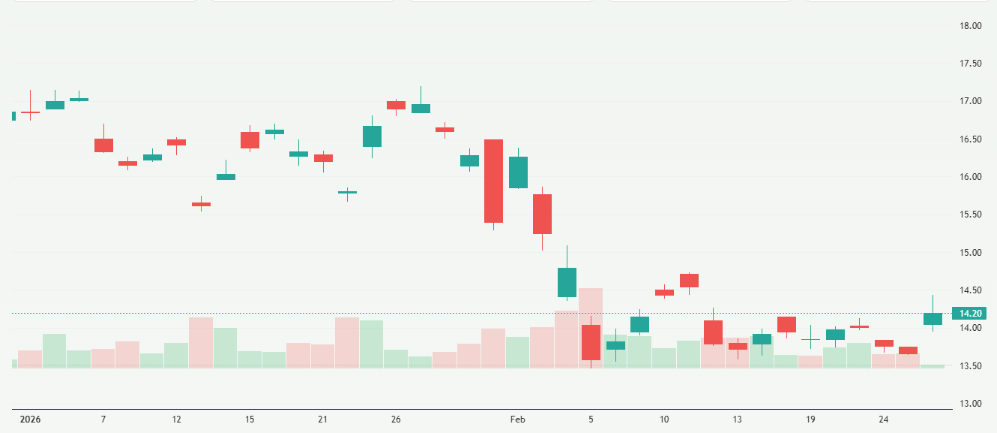
Shares of small financial institutions tied to the plan, like Kyoto Financial Group, also showed movement on local exchanges after the reports surfaced.
What does this mean for Nintendo’s future strategy?
Experts believe the share sale and potential buyback could have several long‑term effects:
- Sharper focus on shareholder value: By reducing cross‑shareholdings, Nintendo may improve its financial appeal to global investors.
- Greater use of capital: Net proceeds and buybacks can be seen as a sign that Nintendo wants to deploy capital more strategically. Investors may see this as a signal of confidence.
- Improved governance scores: Reducing old‑style cross‑holdings aligns with best practices in corporate governance worldwide. This could improve Nintendo’s rating among institutional investors.
AI‑driven stock research tools indicate that governance improvements can subtly influence valuation multiples over time when paired with strong fundamentals like Nintendo’s.
What should investors watch next?
Investors and market watchers should look for:
- Official announcements from Nintendo about when and how the share sale will proceed.
- Details on any share buyback program, including size and timing.
- Regulatory responses from the Tokyo Stock Exchange or Japanese financial regulators.
- Analyst commentary from stock research firms and brokerages in the weeks after the decision.
These updates will help clarify whether the move is purely structural or part of a larger strategic shift.
What Analysts are Saying About Nintendo’s Share Sale?
Do analysts see the share sale as positive or negative?
Opinion is mixed:
- Some analysts view this as a positive governance reform. They note that reducing cross‑shareholdings could align Nintendo more strongly with investor interests.
- Others caution that large sales can exert downward pressure on shares if not managed carefully.
Overall, many believe the move, if accompanied by a significant buyback, could benefit Nintendo long‑term.
How does this fit with Nintendo’s business performance?
Nintendo continues to perform well in its core markets. Recent company forecasts and product launches (including the Switch 2) show healthy consumer demand despite global supply issues. Analysts feel that governance moves like the share sale complement Nintendo’s commercial strategy rather than distract from it.
Final Words
Nintendo’s reported plan to unwind around ¥300 billion (about $1.9 billion) in strategic shareholdings marks a major moment in the company’s financial evolution. This move highlights the growing emphasis on corporate governance reform in Japan and signals a shift toward stronger shareholder alignment.
As Nintendo, MUFG Bank, and Bank of Kyoto move forward, investors will watch closely for official details and how buybacks and capital strategy unfold in the coming weeks.
Frequently Asked Questions (FAQs)
On February 27, 2026, Nintendo plans to sell shares worth about $1.9 billion (¥300 billion). The sale involves major banks and is part of its strategy to adjust ownership.
Kyoto Bank and MUFG are reducing long-term stakes in Nintendo. This follows Japan’s push to cut cross-shareholdings and improve transparency. The news broke on February 27, 2026.
The share sale may cause short-term stock swings. Analysts say Nintendo’s price could fluctuate, but a potential buyback may stabilize investor confidence after February 27, 2026.
Disclaimer:
The content shared by Meyka AI PTY LTD is solely for research and informational purposes. Meyka is not a financial advisory service, and the information provided should not be considered investment or trading advice.