











European stocks opened steady on Friday, February 27, 2026, as investors tracked a fresh wave of corporate earnings and waited for key inflation data from the euro zone. Major indexes showed limited movement, reflecting cautious optimism across regional markets. Strong profit updates from major companies helped support sentiment, while traders avoided big bets ahead of economic numbers that could influence future interest rate decisions.
The STOXX 600 index hovered near record highs, signaling ongoing confidence despite global uncertainty. At the same time, concerns over sticky inflation and slowing growth kept risk appetite in check.
Market Snapshot: European Indices Hold Near Record Levels
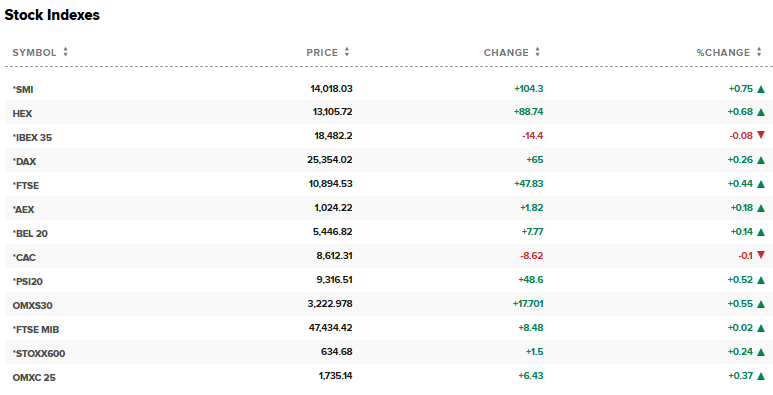
European stocks traded in a tight range on Friday, February 27, 2026, as investors balanced strong corporate earnings with rising caution ahead of inflation releases. The pan-European STOXX 600 index edged up 0.1% to 634.16 points, staying close to its record high. This marked its eighth straight month of gains, the longest rally since 2012-2013. Major regional indexes showed limited movement:
- Germany’s DAX: Flat in early trading
- France’s CAC 40: Down 0.1%
- UK’s FTSE 100: Up 0.2%
Traders avoided aggressive buying before fresh inflation figures from Germany and France. Market sentiment remained cautious but stable. Strong earnings reports helped offset macro uncertainty.
Why are European Stocks Moving Sideways Today?
European stocks are pausing after a strong multi-month rally. Investors now want clarity on inflation and interest rates before making new bets. Key reasons behind today’s muted trade include:
- Inflation uncertainty in major eurozone economies
- ECB rate cut timing still unclear
- Profit booking near record highs
- Global trade tension concerns
Markets are currently pricing in the first ECB rate cut between June and July 2026. Any upside surprise in inflation may delay easing plans, creating pressure on stocks.
Earnings Season Drives Market Stability
Which Companies are Supporting the Market?
Corporate earnings are the main reason European markets remain resilient.
Several companies delivered strong quarterly results:
- HSBC: Shares surged nearly 8% after raising its full-year profit outlook.
- Rolls-Royce: Stock jumped 9.1% after reporting 40% annual profit growth, supported by aircraft engine demand.
- London Stock Exchange Group (LSEG): Shares climbed 6.7% after announcing a share buyback program.
- Nestlé and Capgemini: Posted results above expectations, lifting broader market sentiment.
Strong earnings helped counter fears of slowing economic growth and sticky inflation.
Which Stocks Dragged the Market Lower?
Not all earnings reports impressed investors.
- Delivery Hero: Shares fell 5.2% due to weak revenue guidance.
- Hikma Pharmaceuticals: Stock plunged 15.8% after lowering its sales forecast.
These declines limited broader index gains and reinforced cautious trading.
Inflation Data in Focus: Why Does It Matter?
What Inflation Numbers are Markets Watching Today?
Investors are closely tracking fresh inflation readings from:
- Germany
- France
- Euro zone CPI data
In France, preliminary inflation rose 1.1% year-on-year in February 2026, beating analyst forecasts of 0.7%. Energy prices remained a key factor. In Germany, regional inflation eased to 1.8-1.9%, raising hopes of easing national inflation.
How Could Inflation Impact ECB Rate Decisions?
The European Central Bank currently holds rates at 2%. Policymakers want inflation near the 2% target before cutting rates.
If inflation stays sticky:
- Rate cuts may be delayed.
- Bank stocks could weaken.
- Borrowing costs may stay high longer.
If inflation cools faster:
- Rate cuts may arrive earlier.
- Equity markets could rally.
- Consumer confidence may improve.
Inflation data today could shape European market trends for March.
Sector Performance: Winners, Losers & Trend Shifts
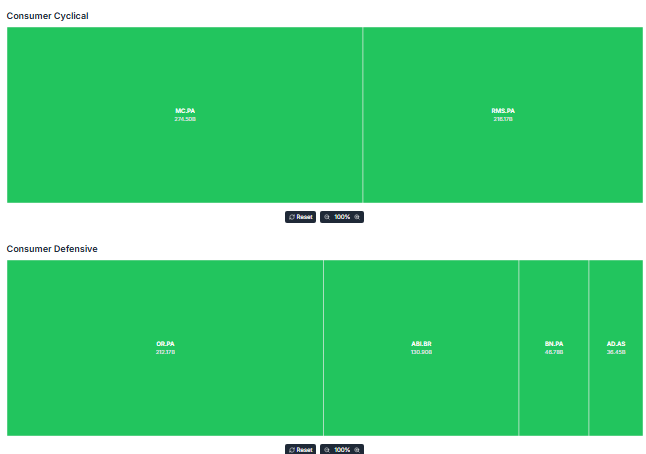
Which Sectors are Leading?
Several sectors showed strong momentum:
- Aerospace & Defense: Boosted by rising defense spending.
- Mining Stocks: Up 1.7%, supported by strong metal prices.
- Utilities: Gaining from infrastructure investments.
These sectors continue attracting safe capital flows.
Which Sectors are Under Pressure?
- Banking: Down 0.4% due to concerns over UK mortgage exposure.
- Healthcare: Weak guidance hurt pharma stocks.
- Retail & Consumer: Pressured by slowing spending expectations.
Investors now prefer stable and defensive sectors over high-risk growth plays.
Global Factors Influencing European Markets
How are Global Risks Shaping Investor Sentiment?
Global concerns remain key market drivers:
- Rising trade tensions linked to new US tariffs
- Ongoing geopolitical risks
- Slowing Chinese demand
Fund flows show investors are rotating money from US stocks into Europe, attracted by lower valuations. European equity funds saw $17.22 billion in inflows in February, the highest in five weeks.
What Happens Next: Market Outlook for March 2026
European stocks may stay range-bound in the short term. Key market drivers ahead:
- Eurozone inflation trend
- ECB rate guidance
- US trade policy direction
- Corporate earnings outlook
Analysts expect the STOXX 600 to target 640 by mid-2026, representing modest upside. For deeper technical insights, traders increasingly rely on AI stock analysis tools that scan price trends, earnings momentum, and macro risks in real time, helping refine short-term strategies.
Final Market View
European stocks remain supported by strong earnings and fund inflows. However, inflation data and central bank signals will dictate the next major move. Until clarity emerges, cautious optimism is likely to dominate market sentiment.
Frequently Asked Questions (FAQs)
European stocks are steady on February 27, 2026, as investors weigh strong earnings results against upcoming eurozone inflation data that may influence future interest rate decisions.
Inflation data shapes ECB policy outlook. Higher inflation may delay rate cuts, pressure stocks, and raise borrowing costs, while lower inflation can improve confidence and support market gains.
European stocks may show steady growth in 2026, supported by solid corporate earnings, easing inflation trends, and possible ECB rate cuts in the second half of the year.
Disclaimer:
The content shared by Meyka AI PTY LTD is solely for research and informational purposes. Meyka is not a financial advisory service, and the information provided should not be considered investment or trading advice.
What brings you to Meyka?
Pick what interests you most and we will get you started.
I'm here to read news
Find more articles like this one
I'm here to research stocks
Ask our AI about any stock
I'm here to track my Portfolio
Get daily updates and alerts (coming March 2026)