On April 10, 2026, European stock markets edged slightly higher as investors reacted to global uncertainty. Major indices like the STOXX 600 showed small gains as traders waited for key Middle East discussions later this week. Sentiment remained cautious due to ongoing concerns about energy supply risks and possible disruptions in global oil routes.
Investors are watching every update closely. Even small geopolitical signals are influencing market direction. Technology and healthcare stocks offered mild support, while energy shares stayed volatile. The overall mood in European markets is not strongly bullish or bearish. It is careful and reactive.
Advertisement
European Stock Markets Show Cautious Upward Momentum
What is driving the slight rise in European markets?
European markets posted modest gains on April 10, 2026, as investors remained cautious but hopeful. The pan-European STOXX 600 index rose around 0.3%, reflecting limited but positive momentum. Major indices like Germany’s DAX and France’s CAC 40 also gained close to 0.5% in early trading.
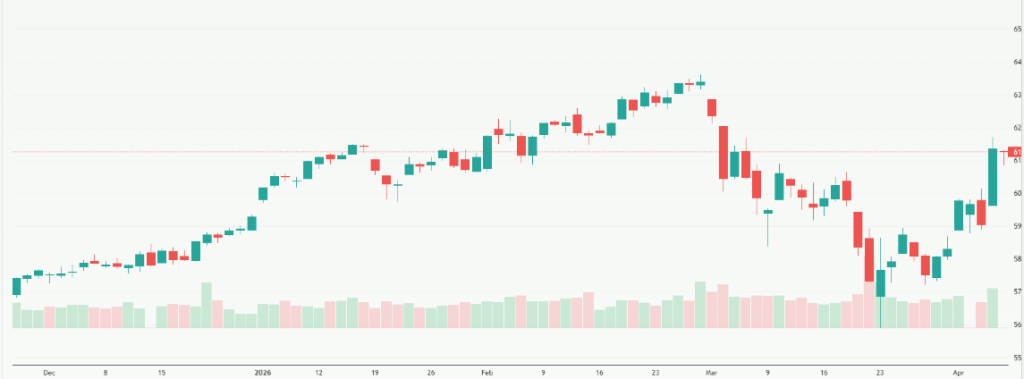
This rise is not driven by strong economic data. Instead, it reflects investor expectations that geopolitical tensions may ease soon. Traders are positioning carefully rather than making aggressive bets.
How are different sectors performing?
Sector performance shows a defensive pattern:
- Healthcare stocks gained nearly 1% due to stable demand outlook
- Technology stocks moved higher on strong earnings expectations
- Energy stocks remained volatile due to oil price uncertainty
- Utilities stayed stable as safe-haven investments
This mix signals a “wait-and-watch” approach rather than a full bullish trend.
Middle East Tensions and Their Direct Impact on Markets
Why are investors focused on Middle East discussions?
Investors are closely watching U.S.-Iran talks scheduled in April 2026 in Islamabad. These discussions aim to reduce tensions and stabilize energy supply routes.
Markets are sensitive because any progress can quickly improve sentiment. On the other hand, failure in talks can trigger sharp declines.
How does the Strait of Hormuz affect global markets?
The Strait of Hormuz handles nearly 20% of global oil shipments. Current disruptions have raised serious concerns. Key risks include:
- Higher shipping costs
- Supply shortages
- Increased oil prices
Even partial closure impacts global trade. This is why European markets are reacting cautiously.
What is the current market sentiment?
The sentiment is mixed:
- Positive on hopes of diplomacy
- Negative due to uncertainty
Analysts warn that volatility will remain high until clear outcomes emerge.
Oil Prices and Inflation Concerns Drive Investor Caution
What is happening with oil prices?
Brent crude prices are trading between $96 and $98 per barrel as of April 2026. Prices remain elevated due to supply concerns. Higher oil prices are directly affecting global markets. Energy costs influence almost every sector.
How is inflation affecting Europe?
Europe is already dealing with inflation pressure. Rising oil prices make it worse. Key impacts include:
- Higher manufacturing costs
- Increased transport expenses
- Rising consumer prices
Countries like Germany and Italy are more vulnerable due to their energy dependence.
What is the ECB’s stance?
The European Central Bank is cautious. It is not rushing into rate cuts. Markets now expect:
- Interest rates to stay higher for longer
- Inflation to remain above target in 2026
This limits strong stock market growth.
Global Market Influence – Asia and Wall Street Connection
How are Asian markets reacting?
Asian markets showed stronger gains compared to Europe:
- Japan’s Nikkei rose over 1%
- South Korea’s Kospi gained around 1.5%
This positive trend helped support European sentiment.
What signals are coming from the U.S.?
U.S. futures remained mostly flat. This reflects uncertainty. Wall Street is also tracking:
- Oil prices
- Inflation data
- Geopolitical developments
Global markets are moving in sync due to shared risks.
Currency, Bonds, and Safe-Haven Asset Trends
What is happening in currency markets?
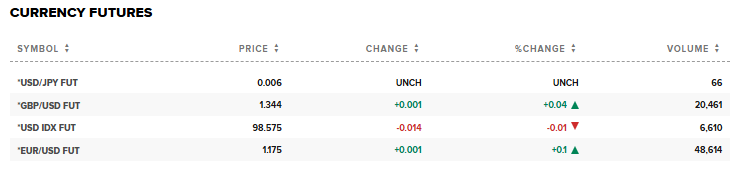
The euro remained stable around $1.16-$1.17. The U.S. dollar showed slight weakness. Currency markets are not showing panic. This indicates controlled risk sentiment.
How are bond markets reacting?
European bond yields moved slightly higher. This reflects inflation concerns. Investors expect:
- Higher borrowing costs
- Continued rate pressure
Are investors moving to safe assets?
Safe-haven demand is moderate:
- Gold prices saw small gains
- Silver remained stable
There is no panic buying yet. Investors are still balanced.
Corporate and Sector-Specific Developments
Which sectors are leading gains?
Technology and healthcare are leading. Reasons include:
- Stable demand
- Strong earnings outlook
- Lower exposure to energy costs
Which sectors are under pressure?
Cyclical sectors are struggling:
- Automotive companies face high production costs
- Luxury brands see weaker demand from China
These sectors depend on global growth, which is uncertain.
What are investors focusing on now?
Investors are shifting attention to:
- Q1 2026 earnings reports
- Profit margins under inflation pressure
- Energy cost impact on businesses
Market Outlook – What Investors Should Expect Next?
Will European markets stay stable?
Markets are expected to remain range-bound in the short term. There is no strong bullish trigger yet.
What are the key risks to watch?
Major risks include:
- Failure of U.S.-Iran talks
- Further disruption in oil supply
- Unexpected inflation spikes
Any of these can trigger sharp market reactions.
Are there any positive signals?
Yes. If tensions ease:
- Oil prices may fall
- Inflation pressure may reduce
- Stocks could rally
This is why markets are holding steady instead of falling.
Stock Market Insight and Analysis
What does Meyka say about European market trends?
According to insights aligned with platforms like Meyka.com, European markets are currently in a neutral-to-cautious trend zone.
Short Forecast:
- Mild upside possible if geopolitical tensions ease
- Downside risk remains tied to oil price spikes
Technical Analysis Summary:
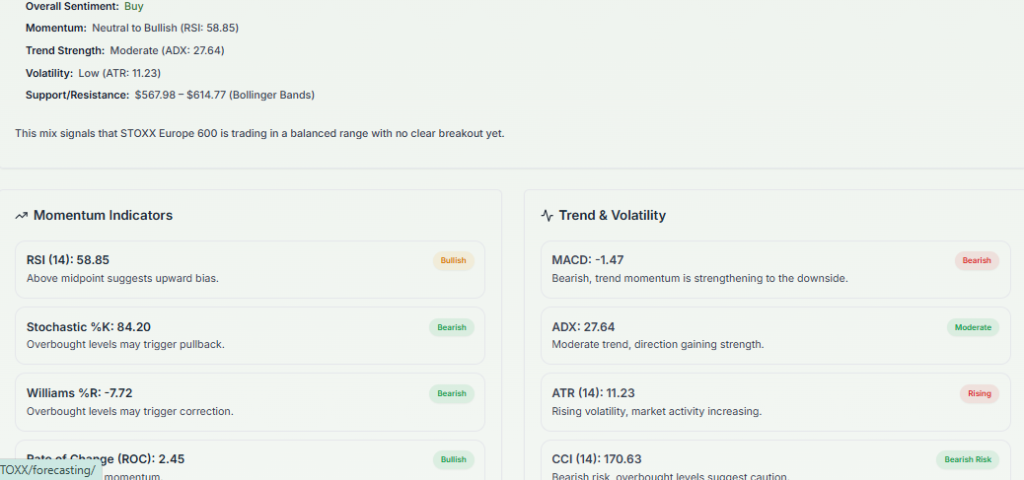
- STOXX 600 shows resistance near short-term highs
- Support levels remain stable due to defensive buying
- Momentum indicators suggest consolidation
What do other analysts say?
Leading analysts from global institutions highlight:
- Goldman Sachs expects continued volatility in Q2 2026
- JPMorgan notes that energy prices will remain the key driver
- Morgan Stanley warns of slow earnings growth due to inflation pressure
How can investors make smarter decisions?
Using an AI stock analysis tool can help track real-time data, identify trends, and reduce risk during uncertain conditions. These tools improve decision-making in volatile markets.
Closing Note
European markets are moving with caution as investors wait for clear signals from Middle East discussions. Slight gains reflect hope, but risks remain high. Oil prices and inflation continue to shape market direction. Until geopolitical tensions ease, volatility will likely persist.
Investors should stay alert, track global developments, and focus on data-driven decisions to navigate the uncertain market environment effectively.
Advertisement
Frequently Asked Questions (FAQs)
European markets rose slightly on April 10, 2026, due to optimism around Middle East talks and stable global investor sentiment.
Middle East tensions affect oil supply and prices, increasing inflation risks and causing uncertainty in European stock markets globally in 2026.
European stocks may remain volatile in 2026, depending on oil prices, inflation trends, interest rates, and geopolitical developments in coming months.
Disclaimer:
The content shared by Meyka AI PTY LTD is solely for research and informational purposes. Meyka is not a financial advisory service, and the information provided should not be considered investment or trading advice.
Advertisement
What brings you to Meyka?
Pick what interests you most and we will get you started.
I'm here to read news
Find more articles like this one
I'm here to research stocks
Ask Meyka Analyst about any stock
I'm here to track my Portfolio
Get daily updates and alerts (coming March 2026)